


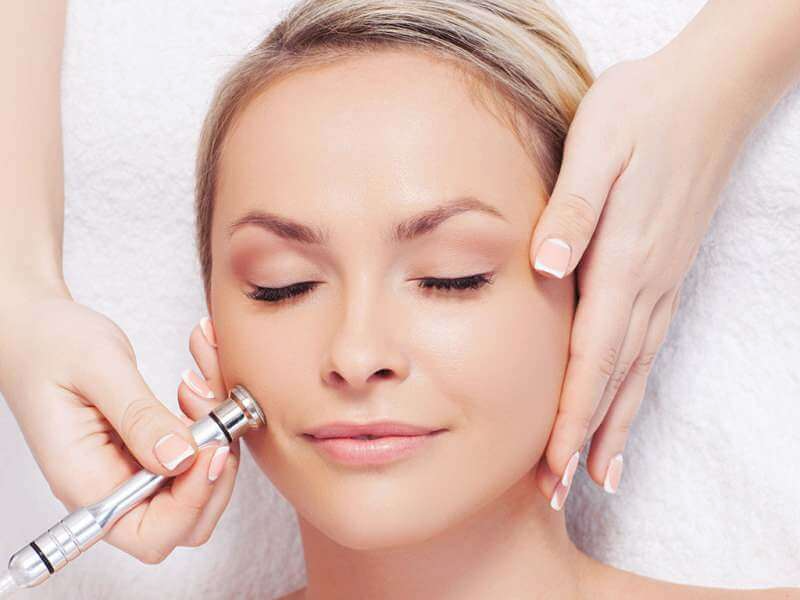

Microneedling is a treatment method that encourages the skin to renew itself by creating microchannels on the skin surface. This method is widely used to improve various concerns such as acne scars on the skin. Microneedling increases collagen production in the lower layers without significantly damaging the upper layer of the skin, supporting skin renewal.
This treatment is preferred to improve the overall texture and tone of the skin. The microneedles applied to the skin surface trigger the body’s natural healing process, which increases the production of new collagen and elastin. As a result, the skin may gain a smoother and more refreshed appearance.
Microneedling is an effective option not only for acne scars but also for other skin concerns such as fine lines, enlarged pores, and skin spots. Reducing the appearance of such skin problems may help individuals feel more confident.
Advantages of Microneedling Acne Scar Treatment
One of the most important advantages of microneedling is that it is a minimally invasive method. It makes it possible to achieve visible improvement without the need for surgical intervention. This is a major advantage especially for individuals with a busy lifestyle. The recovery process after the procedure is also usually short, which allows daily life to continue with minimal interruption.
Another advantage is that microneedling can appeal to a wide range of people, depending on skin type and suitability. This method, which may be suitable for many skin types, has a relatively low risk of side effects when applied correctly. However, it should be performed by a specialist dermatologist or aesthetician to obtain the most appropriate benefit.
Finally, microneedling may offer long-term results. Noticeable results are usually achieved after several sessions, and these results may last for a long time with proper care. Applications performed at regular intervals support continuous skin renewal and a more youthful-looking skin appearance.
The Relationship Between Active Acne Treatment and Microneedling
Active acne treatment generally aims to control acne formation and treat existing acne. Methods used in this process may include topical creams, oral medications, and certain dermatological procedures. Microneedling treatment, on the other hand, focuses not directly on active acne but mostly on the treatment of post-acne scars.
However, in some cases, microneedling may support the active acne treatment process indirectly. By increasing blood circulation in the skin and encouraging cellular renewal, it may soften the appearance of scars that occur after acne. However, it should be remembered that this treatment is not directly effective on active acne lesions.
The most important relationship between microneedling and active acne treatment is that both treatments aim to improve the overall health and appearance of the skin. Therefore, under the guidance of a dermatologist, a carefully planned combination of both treatments may support more effective results.
Can Microneedling Acne Scar Treatment and Active Acne Treatment Be Performed at the Same Time?
Many people wonder whether microneedling acne scar treatment and active acne treatment can be performed at the same time. In theory, these two treatment methods may be applied within the same overall treatment plan; however, there are some important points to consider. Especially in the presence of active infection or inflammation on the skin, the microneedling procedure should be postponed.
Microneedling creates micro-injuries on the skin and triggers the recovery process. However, when applied together with active acne lesions, the risk of infection may increase. Therefore, microneedling should generally be planned after active acne is brought under control and inflamed acne lesions are treated.
Specialists recommend creating a personalized treatment plan so that these two treatment methods can provide the most suitable results for skin health. This planning should be shaped according to the individual’s skin type, acne severity, and skin sensitivity.
Things to Consider During the Treatment Process
There are some important points to consider during the microneedling and active acne treatment process. First of all, it is important to get professional advice from a dermatologist before starting both treatments. This helps create a treatment plan suitable for skin type and needs.
Paying attention to skincare during the treatment process is also very important. Skin that becomes sensitive after microneedling may be more vulnerable to sun rays. Therefore, using a broad-spectrum sunscreen helps protect the skin. In addition, using moisturizing products to maintain the skin’s moisture balance may support the recovery process.
Finally, being patient during the treatment process and strictly following the doctor’s recommendations are critical for achieving suitable results. Skin renewal may take time, and in some cases, treatment results may become noticeable after several sessions.
Side Effects of Microneedling Treatment
As with every medical procedure, microneedling may also have some side effects. These side effects are usually mild and short-term and disappear on their own within a few days after the procedure. The most common side effects include redness, mild swelling, and sensitivity on the skin.
In rarer cases, minor bleeding or bruising may be seen on the skin. Such side effects usually occur as a result of incorrect application, and therefore microneedling should be performed by an experienced professional. In addition, before starting the procedure, it should be ensured that there is no infection or wound on the skin.
For individuals with skin allergies or sensitivity, a patch test before microneedling may be useful. This test is important for predicting how the skin will react to the treatment and may help minimize possible risks.
Specialist Opinions and Patient Experiences
Dermatologists and aesthetic specialists frequently emphasize the effectiveness of microneedling for acne scars and skin renewal. Many specialists state that this method generally improves skin health and significantly reduces the appearance of acne scars.
Patient experiences are also generally positive. Individuals who receive microneedling treatment often state that their skin looks smoother and more vibrant. However, some patients report temporary sensitivity after the procedure, which usually improves within a short time.
Specialists emphasize that the effectiveness of microneedling treatment is directly related to how carefully patients follow skincare during the treatment process. Therefore, following post-treatment care instructions is very important for achieving optimal results.
 Call
Call
 Whatsapp