


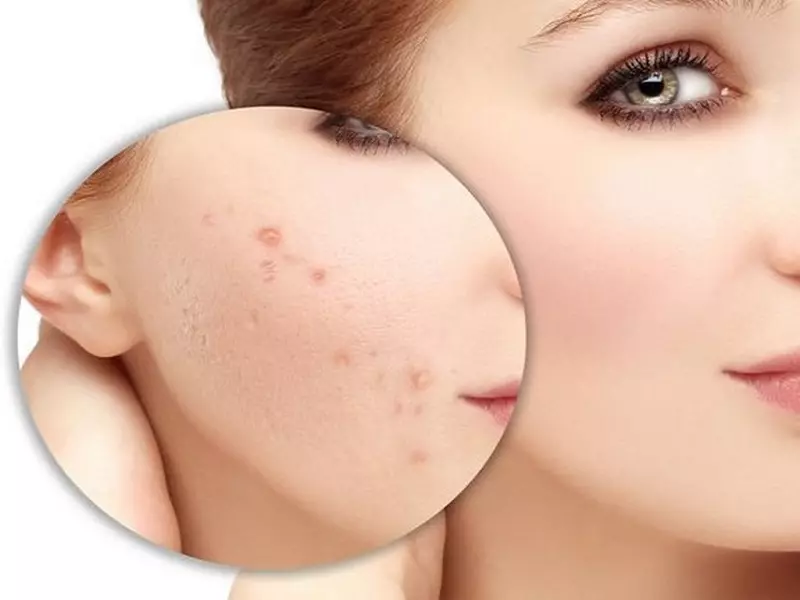

Microneedling is a procedure that creates controlled micro-injuries in the skin in order to stimulate a wound-healing response and skin remodeling.
It may be considered for selected concerns such as atrophic acne scars, uneven skin texture, fine lines, and certain pigmentation or texture irregularities.
Selected Ankara Laser centers and dermatology or aesthetic practices may offer microneedling as part of individualized skin treatment plans.
During microneedling, very small channels are created in the skin. These controlled micro-injuries may stimulate collagen remodeling over time and help improve the appearance of certain types of acne scars.
However, the procedure should not be described as completely non-invasive or as causing no skin injury, because controlled injury is part of how microneedling works.
Products applied during or after treatment should also be specifically suitable for use with microneedling. Not every cosmetic serum is appropriate for application through freshly created microchannels.
What Are Acne Scars and Active Acne?
Acne scars are persistent changes in skin texture that can remain after inflammatory acne.
They may appear as depressed atrophic scars, raised hypertrophic or keloid-type scars, or other textural irregularities.
Dark marks left after acne are usually classified as post-inflammatory pigmentation rather than true acne scars.
Active acne, on the other hand, includes ongoing comedones, papules, pustules, nodules, or other inflammatory lesions.
Acne develops through several factors, including follicular blockage, increased sebum production, inflammation, and changes involving bacteria normally present on the skin.
Active acne and established acne scars therefore represent different problems and often require different treatment approaches.
Potential Benefits of Microneedling
Microneedling may support controlled collagen remodeling and help improve the appearance of selected atrophic acne scars.
It may also contribute to gradual improvement in skin texture and certain superficial irregularities.
The degree of improvement varies according to scar type, treatment depth, skin characteristics, number of sessions, and individual healing response.
Microneedling may also temporarily increase skin permeability. For this reason, only products specifically considered appropriate and safe for use with the procedure should be applied.
Microneedling should not be considered a guaranteed method for tightening the skin, shrinking pores, eliminating pigmentation, or producing rapid results in every individual.
Microneedling for Acne Scar Treatment
Microneedling may be considered for selected atrophic acne scars.
The controlled micro-injuries created during treatment stimulate a healing response that may contribute to collagen remodeling.
Over time, this may help reduce the visible depth of certain depressed scars and improve overall skin texture.
However, not every acne scar responds equally well.
Ice-pick scars, rolling scars, boxcar scars, hypertrophic scars, and keloid-type scars may require different approaches.
Depending on the scar pattern, microneedling may sometimes be combined with other procedures such as subcision, selected laser treatments, chemical reconstruction techniques, or other professionally planned treatments.
Combination treatment should be individualized rather than automatically used for every person.
Microneedling and Active Acne
Microneedling is generally not performed directly over active inflammatory acne lesions.
Passing needles through inflamed papules, pustules, nodules, or infected areas may increase irritation and may potentially worsen inflammation or spread material from active lesions to surrounding skin.
For this reason, active acne is usually evaluated and brought under appropriate control before scar-focused microneedling is planned.
Microneedling should not be described as a standard treatment that directly eliminates acne-related bacteria, reduces sebum production, or prevents new acne from developing.
Active acne may instead require established medical treatments such as topical or oral medications depending on its severity and characteristics.
Once inflammatory acne is adequately controlled, acne scar treatment can be considered according to the individual's skin and scar type.
Can Microneedling for Acne Scars and Active Acne Be Performed at the Same Time?
In general, microneedling for acne scars should not be performed directly over areas with significant active inflammatory acne.
The treatment priorities are different.
Active acne should usually be controlled first in order to reduce ongoing inflammation and lower the likelihood of new scars developing.
After the active acne has improved sufficiently, microneedling may then be considered for appropriate residual atrophic scars.
In some individuals, areas without active inflammatory lesions may potentially be evaluated separately, but this decision requires professional assessment.
For this reason, it is not accurate to say that active acne and acne scars can routinely be treated with microneedling during the same session.
Treatment Process and Sessions
Microneedling is generally performed as a series of sessions when appropriate.
The number of sessions and the interval between treatments vary according to scar type, treatment depth, skin characteristics, and healing response.
An interval of several weeks may be used in some treatment plans, but there is no single fixed schedule that is suitable for everyone.
Before the procedure, the skin is cleansed and prepared according to the treatment protocol.
A topical anesthetic may sometimes be used depending on the depth of treatment and individual sensitivity.
The level of discomfort varies from person to person and according to the area being treated.
Treatment duration also varies according to the size of the treatment area and the protocol used.
Visible improvement may develop gradually over several weeks or months as skin remodeling occurs.
Care After Microneedling
The skin may temporarily appear red, sensitive, dry, or mildly swollen after microneedling.
Gentle skin care is generally recommended during the early recovery period.
Sun Protection
Recently treated skin may be more sensitive to ultraviolet exposure.
Broad-spectrum sunscreen and limiting unnecessary direct sun exposure may therefore be recommended.
Moisturizing
A gentle moisturizer may help support the skin barrier and reduce dryness or tightness.
Products containing ingredients such as hyaluronic acid may support hydration, but they should not be described as directly accelerating scar healing.
Avoiding Irritation
Retinoids, exfoliating acids, harsh scrubs, alcohol-based products, or other irritating active ingredients may need to be temporarily avoided.
The appropriate time to restart these products depends on the treatment performed and how the skin is healing.
A balanced diet, sufficient hydration, and adequate sleep can support general health, but they should not be expected to directly accelerate microneedling results.
For individuals with both active acne and acne scars, the treatment plan should generally prioritize controlling active inflammation first and then address persistent scars with an individualized approach.
 Call
Call
 Whatsapp