


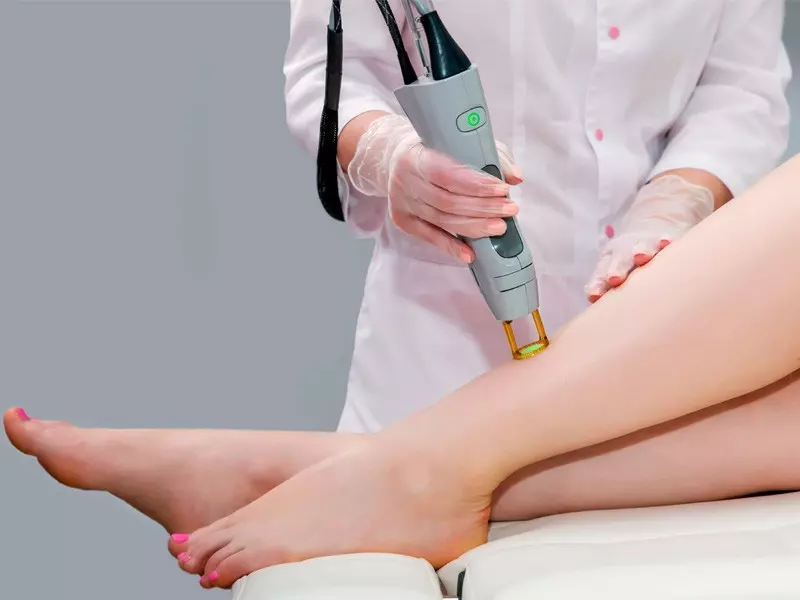

Q-Switch laser is an innovative laser technology used in the treatment of skin pigmentation. This technology specifically targets darkly pigmented spots. By focusing on melanin in the skin, it breaks down pigmentation and helps improve uneven skin tone. Unlike some other laser technologies, Q-Switch laser operates with short and intense pulses of energy. This allows it to act at deeper levels without unnecessarily damaging the skin’s surface.
The use of this laser is not limited to pigmentation treatment. It is also preferred for various aesthetic procedures, including tattoo removal, skin rejuvenation and the treatment of acne marks. This versatility has made Q-Switch laser a popular option in aesthetic and dermatological applications. Its ability to provide effective results and its relatively fast post-treatment recovery period play important roles in its popularity.
Another advantage of Q-Switch laser is that it may be suitable for different skin types. It can also be used on sensitive skin when appropriate treatment settings are selected. For this reason, it is frequently preferred at Ankara Laser centres. Q-Switch laser offers an effective treatment option for individuals experiencing skin pigmentation concerns.
Challenges of Pigmentation Treatment During the Summer
Undergoing pigmentation treatment during the summer may present certain challenges. Ultraviolet rays from the sun are among the main factors that trigger the development of skin pigmentation. During this period, the skin is exposed to more sunlight, which may cause existing spots to become darker. Protecting the skin from the sun after pigmentation treatment is therefore extremely important.
Factors such as sweating, swimming in the sea and using swimming pools may also make skincare more difficult during the summer. Sweat may affect the treated skin and slow the recovery process. Seawater and chlorine may also cause irritation on sensitised skin. Keeping the skin clean and dry after treatment is therefore important. These external factors should be considered when planning pigmentation treatment during the summer.
The products used for summer skincare should also be selected carefully. Sunscreens protect the skin against ultraviolet rays, but they should be appropriate for the individual’s skin type. Since skin sensitivity may increase after Q-Switch laser treatment, using suitable skincare products can positively affect treatment results.
Advantages of Q-Switch Laser
Q-Switch laser offers several advantages in pigmentation treatment. First, this laser technology directly targets the melanin pigment in the skin. This may allow faster and more effective results to be achieved on dark pigmentation. Q-Switch laser breaks down the targeted pigment, supports a more even skin tone and may help the skin appear smoother.
Another advantage is that it is a minimally invasive method. It can act beneath the skin’s surface without causing significant damage to the outer layer. This feature may shorten the recovery period and allow individuals to return to their daily activities more quickly. Discomfort during Q-Switch laser treatment is also generally minimal, which can improve treatment comfort.
Finally, its suitability for different skin types is an important advantage. The technology may also be used on sensitive skin when considered appropriate. Its effectiveness in pigmentation treatment has contributed to its widespread use at Ankara Laser centres.
Is Q-Switch Laser Pigmentation Treatment Possible During the Summer?
Q-Switch laser pigmentation treatment may be planned during the summer, but several precautions should be considered. First, protecting the skin from sunlight after treatment is highly important. Sun exposure may increase the sensitivity of the treated area and contribute to the recurrence or darkening of pigmentation. Sunscreen with a high protection factor should therefore be used, and direct sunlight should be avoided.
Sweating, swimming and similar summer activities may make post-treatment skincare more difficult. During this period, keeping the skin clean and dry is recommended. Wearing lightweight clothing and remaining in shaded areas may help reduce sweating. Avoiding the sea and swimming pool for the recommended period, or rinsing the skin thoroughly afterwards when permitted, is also important.
When planning Q-Switch laser treatment during the summer, the process should be managed by a specialist dermatologist. The specialist can prepare a treatment plan suited to the individual’s skin type and needs. At Ankara Laser centres, treatment programmes may be organised according to summer conditions.
Points to Consider After Q-Switch Laser Treatment
There are several important points to consider after Q-Switch laser treatment. Since skin sensitivity may increase, protection from sunlight is essential. Sunscreen with a high protection factor should be used, and direct sun exposure should be avoided whenever possible. This helps reduce the risk of new pigmentation.
Mild redness or sensitivity may occur after treatment. This is generally considered normal and usually subsides within a short time. Keeping the skin clean and moisturised is important. Moisturisers and skincare products recommended by the dermatologist should be used regularly to support recovery.
Post-treatment skincare products should also be selected carefully. Fragrance-free products formulated for sensitive skin should be preferred. Harsh chemicals that may irritate the skin should be avoided. These precautions support healthy recovery and contribute to the achievement of the intended results.
The Most Suitable Periods for Pigmentation Treatment
Autumn and winter are generally considered the most suitable periods for pigmentation treatment because sunlight is less intense. During these seasons, the risk of exposure to harmful ultraviolet rays is lower. This may reduce post-treatment sensitivity and the likelihood of pigmentation becoming darker.
However, Q-Switch laser treatment may also be performed during the summer when appropriate precautions are followed. Additional care is required during this period. Regular sunscreen use and protecting the skin from direct sunlight are critically important. Specialists at Ankara Laser centres may provide treatment programmes suited to summer conditions.
The most appropriate period for pigmentation treatment may vary according to the individual’s skin type, lifestyle and personal preferences. A consultation with a specialist dermatologist can help determine the most suitable timing and allow the treatment process to be managed more effectively and safely.
Frequently Asked Questions About Q-Switch Laser Treatment
1. Is Q-Switch laser treatment painful?
Q-Switch laser treatment is generally considered a comfortable procedure. Mild tingling may be felt during treatment, but this is usually not significantly uncomfortable. When necessary, topical anaesthetic creams may be used before the procedure.
2. When do the results become visible?
Treatment results generally become more noticeable after several sessions. However, certain spots may appear lighter even after the first session. The time required to observe the full result may vary depending on the individual’s skin type and the depth of the pigmentation.
3. Who is suitable for Q-Switch laser treatment?
The treatment may be suitable for individuals who have skin pigmentation concerns and are in generally good health. However, it may not be appropriate during pregnancy or breastfeeding or for individuals with certain skin conditions. Consulting a specialist dermatologist before treatment is important.
4. What should be considered after treatment?
The treated skin should be protected from sunlight and kept moisturised. Sunscreen should be used regularly, and skincare products should be selected carefully. Mild redness or sensitivity after treatment is generally normal and usually resolves within a short time.
5. Is Q-Switch laser pigmentation treatment permanent?
The treatment may help reduce the appearance of existing pigmentation significantly. However, new spots may develop when the skin is not protected from sunlight or when appropriate skincare is not maintained. Post-treatment skincare and consistent sun protection are therefore important for preserving the results.
 Call
Call
 Whatsapp