


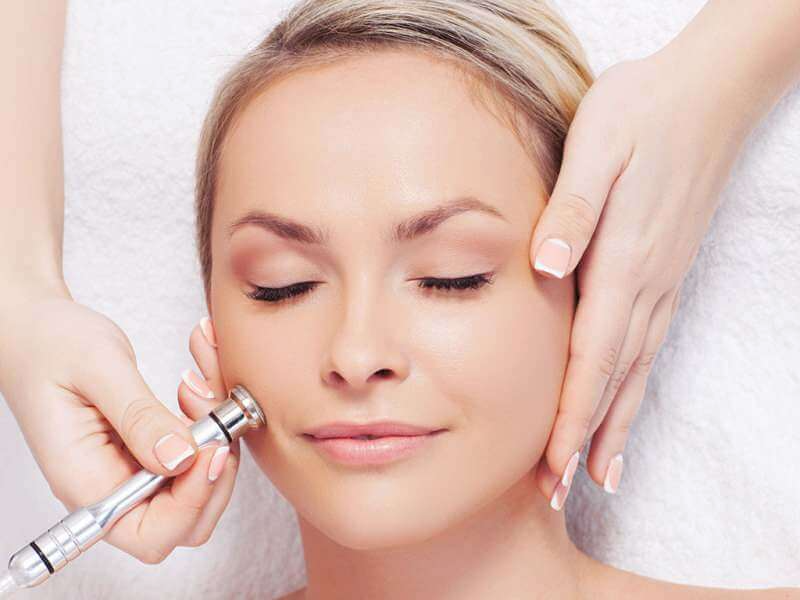

Radiofrequency microneedling, commonly referred to as “gold needle” treatment, is a procedure used to improve selected concerns involving skin texture, acne scars, fine lines and mild skin laxity.
The treatment uses microneedles to deliver radiofrequency energy at controlled depths within the skin. This creates temporary microchannels and controlled thermal stimulation, which may support collagen remodelling over time.
The procedure does not simply accelerate the skin’s natural healing process without causing any damage. Its effect depends on the creation of controlled microscopic injury. Temporary redness, swelling, sensitivity, pinpoint bleeding, dryness or crusting may therefore occur.
Some devices use gold-coated needles. However, the coating alone does not guarantee freedom from allergy or irritation. Safety also depends on the material composition, sterility, device quality, treatment settings and the individual’s medical history.
What Are Laser Treatments?
Laser treatments use specific wavelengths of light to target selected structures in the skin.
Different laser systems have different purposes. Common examples include:
-
Carbon dioxide lasers
-
Erbium lasers
-
Nd:YAG lasers
-
Pigment-targeting lasers
-
Vascular lasers
-
Fractional non-ablative lasers
One laser cannot treat every skin concern.
Ablative lasers remove or vaporise controlled portions of the skin surface, while non-ablative systems deliver energy beneath the surface with less visible removal of tissue.
Depending on the device and settings, laser treatment may be considered for:
-
Selected pigmentation concerns
-
Acne scars
-
Fine lines
-
Uneven skin texture
-
Vascular lesions
-
Unwanted hair
-
Certain benign skin lesions
The depth, recovery period and possible risks vary significantly between technologies.
Can the Two Treatments Be Combined?
Radiofrequency microneedling and laser treatment can be included in the same overall treatment plan in selected individuals.
However, this does not mean that they should always be performed during the same appointment or at short intervals.
Both procedures may create heat, inflammation and temporary disruption of the skin barrier. Combining them too aggressively may increase the risk of:
-
Prolonged redness
-
Swelling
-
Burning
-
Infection
-
Delayed healing
-
Post-inflammatory hyperpigmentation
-
Uneven lightening
-
Scarring
-
Persistent sensitivity
The decision should be based on the skin concern, natural skin tone, treatment intensity, recovery capacity and medical history.
Why May Combination Treatment Be Considered?
The two procedures act through different mechanisms.
Radiofrequency microneedling may be selected mainly for:
-
Depressed acne scars
-
Uneven texture
-
Enlarged-looking pores
-
Mild laxity
-
Selected fine lines
Laser treatment may be selected for:
-
Superficial resurfacing
-
Specific pigmentation concerns
-
Vascular redness
-
Selected scar patterns
-
Other device-specific targets
When an individual has more than one concern, separate procedures may be used to address different components of the problem.
For example, radiofrequency microneedling may be considered for depressed acne scars, while a pigment-targeting laser may be evaluated for residual dark marks.
This does not guarantee faster improvement or fewer sessions. In some cases, spacing the treatments apart may be safer than combining them closely.
What Is Evaluated Before Combination Treatment?
A detailed consultation should include assessment of:
-
The main skin concern
-
Scar type and depth
-
Pigmentation pattern
-
Natural skin tone
-
Skin sensitivity
-
Active acne or infection
-
History of post-inflammatory pigmentation
-
Previous laser or microneedling treatments
-
Tendency to develop abnormal scarring
-
Current skincare products
-
Medication use
-
Medical conditions
-
Recent sun exposure or tanning
-
Ability to follow aftercare instructions
The practitioner should clarify which procedure is intended to address each concern.
A treatment plan should not combine devices simply because both are available.
Should the Procedures Be Performed on the Same Day?
Same-day treatment may be considered in limited circumstances, but it is not automatically appropriate.
The safety of performing both procedures during one session depends on:
-
Laser type
-
Energy level
-
Needle depth
-
Radiofrequency intensity
-
Size of the treatment area
-
Skin tone
-
Previous treatment response
-
Condition of the skin barrier
Combining an intensive ablative laser with aggressive radiofrequency microneedling may produce excessive inflammation and a longer recovery period.
In many cases, the procedures may be separated by several weeks or longer to allow the skin to recover and to assess the response to the first treatment.
There is no single interval that is suitable for every patient.
Which Procedure Should Be Performed First?
The order depends on the treatment goal and the technologies being used.
Factors that may influence the sequence include:
-
Whether the main problem is pigmentation or texture
-
Whether the laser is ablative or non-ablative
-
Depth of the acne scars
-
Risk of pigmentation
-
Current inflammation
-
Planned energy settings
-
Previous response to treatment
In some plans, scar-focused treatment is performed first. In others, superficial pigmentation or vascular concerns are addressed separately.
The correct order should be determined by the treating medical professional rather than a standard rule.
Possible Benefits of a Combined Plan
In appropriately selected individuals, using different procedures within the same treatment programme may help address several concerns.
Potential benefits may include:
-
Treatment of both texture and pigmentation
-
Improvement in selected acne-scar patterns
-
More individualised treatment
-
Ability to adjust the plan according to response
-
Use of different technologies for different targets
These are potential benefits rather than guaranteed outcomes.
Combination treatment does not necessarily provide better results than one appropriately selected procedure.
Possible Disadvantages and Risks
Using more than one energy-based treatment may increase:
-
Cost
-
Recovery time
-
Skin sensitivity
-
Need for aftercare
-
Risk of pigment changes
-
Risk of irritation
-
Complexity of treatment planning
If a reaction develops, it may also be more difficult to identify which procedure caused it.
For this reason, beginning with one treatment and evaluating the response may sometimes be the safer approach.
Is It Suitable for Every Skin Type?
No combination is suitable for every skin type or skin condition.
Skin colour, pigmentation tendency, sensitivity and scar characteristics are more relevant than broad categories such as oily, dry or combination skin.
Darker Skin Tones
Darker skin tones may have a greater risk of post-inflammatory hyperpigmentation after procedures that generate heat or inflammation.
This does not always prevent treatment, but conservative settings and longer recovery intervals may be required.
Sensitive or Eczema-Prone Skin
Active eczema, dermatitis or a damaged skin barrier may need to be treated before either procedure is considered.
Active Acne
Microneedling or laser treatment should not normally be performed directly over active cysts, pustules or infected lesions.
Active acne may need to be controlled before scar treatment begins.
Recently Tanned Skin
Recent tanning or sunburn may increase the risk of burns and pigment changes after some laser procedures.
Treatment may need to be postponed.
Medical Conditions and Contraindications
The consultation should review:
-
Pregnancy or breastfeeding
-
Active skin infection
-
Herpes history
-
Keloid tendency
-
Abnormal wound healing
-
Autoimmune conditions
-
Bleeding disorders
-
Blood-thinning medication
-
Implanted electrical devices
-
Photosensitising medication
-
Previous isotretinoin use
-
Recent surgery or skin procedures
Prescription medication should not be stopped without approval from the prescribing physician.
Device-specific contraindications must also be considered.
How Is the Treatment Process Planned?
The process begins with diagnosis and prioritisation of the skin concerns.
Standardised photographs may be taken to document:
-
Texture
-
Pigmentation
-
Scar depth
-
Redness
-
Existing asymmetry
The practitioner then decides whether:
-
One procedure is sufficient
-
The procedures should be performed separately
-
A staged combination is appropriate
-
Another treatment would be more suitable
A topical anaesthetic may be used before radiofrequency microneedling or selected laser procedures.
Discomfort may include pressure, heat, stinging or burning. The procedures should not be described as painless for every individual.
Recovery Process
Recovery varies according to treatment intensity and the technologies used.
Possible temporary reactions include:
-
Redness
-
Swelling
-
Tenderness
-
Heat sensation
-
Dryness
-
Peeling
-
Crusting
-
Pinpoint bleeding
-
Temporary darkening
Mild redness may settle within hours in some cases, but more intensive treatment may require several days or longer.
When two procedures are combined, recovery may be longer than after either treatment alone.
Aftercare
Gentle Cleansing
The skin should be cleansed according to the practitioner’s instructions. Hot water, vigorous rubbing and abrasive tools should be avoided.
Moisturising
A suitable moisturiser may support the skin barrier and reduce discomfort.
Moisturising does not guarantee faster collagen production or a better final result.
Sun Protection
Broad-spectrum sunscreen, hats and shade may help reduce the risk of post-inflammatory pigmentation.
Recently treated skin may initially require physical protection if topical sunscreen causes burning.
Avoiding Active Products
Retinoids, acids, scrubs, fragranced products and alcohol-based formulations may need to be paused temporarily.
Heat and Exercise
Strenuous exercise, saunas, steam rooms, hot baths and activities that cause heavy sweating may be restricted for a limited period.
The duration depends on the treatment intensity and skin response.
When Do Results Become Visible?
Temporary swelling may make the skin appear smoother immediately after treatment, but this should not be confused with the final result.
Collagen remodelling develops gradually over several weeks and may continue for several months.
Pigment or vascular changes may follow a different timeline, depending on the laser used.
The response varies according to:
-
Age
-
Scar type
-
Skin tone
-
Treatment intensity
-
Number of sessions
-
Healing capacity
-
Sun exposure
-
Aftercare
Maximum improvement cannot be assumed to occur within a fixed number of weeks.
Are the Results Permanent?
Neither radiofrequency microneedling nor laser treatment provides permanent youthfulness.
Improvements in scars, texture or pigmentation may be long-lasting, but the skin continues to age.
New acne, sun exposure, hormonal changes and inflammation may also create new concerns or cause pigmentation to recur.
Maintenance treatment may be considered, but it should be based on clinical need rather than a fixed schedule.
Choosing a Provider
Ankara Laser or another medical provider should perform a detailed assessment before creating a combined treatment plan.
Important considerations include:
-
Practitioner qualifications
-
Knowledge of laser and radiofrequency technologies
-
Device approval and maintenance
-
Sterile single-use needle cartridges
-
Appropriate eye protection
-
Infection-control standards
-
Clear explanation of risks
-
Written aftercare instructions
-
Availability of follow-up support
The decision should not be based solely on device names, promotional claims or promises of rapid results.
Frequently Asked Questions
Can Both Treatments Be Performed During One Appointment?
Sometimes, but not for every individual or every device combination.
Same-day treatment may increase irritation and recovery time. The decision should be made after assessing the technologies and skin characteristics.
Does Combining Them Produce Faster Results?
Not necessarily.
Using two procedures may address different concerns, but it may also increase inflammation. A staged plan may be safer and equally effective.
How Long Should There Be Between Treatments?
There is no universal interval.
The skin should recover adequately before another intensive procedure is performed. The interval may range from several weeks to longer, depending on the treatment.
Is Combination Treatment Better for Acne Scars?
It may be useful for mixed scar patterns, but no single combination is suitable for every scar.
Deep ice-pick, tethered or raised scars may require different procedures.
Can Pigmentation Worsen?
Yes. Heat, inflammation and inappropriate settings may cause post-inflammatory pigmentation, particularly in darker skin tones.
Is There More Downtime?
Potentially.
Recovery may be longer when two procedures are performed closely together or during the same session.
In conclusion, radiofrequency microneedling and laser treatments may be included in the same treatment plan when they address different and clearly defined skin concerns. However, they should not automatically be combined or expected to provide faster, permanent or superior results. Device type, treatment intensity, skin tone, pigmentation risk and healing capacity must all be evaluated before deciding on the order and interval of the procedures.
 Call
Call
 Whatsapp