


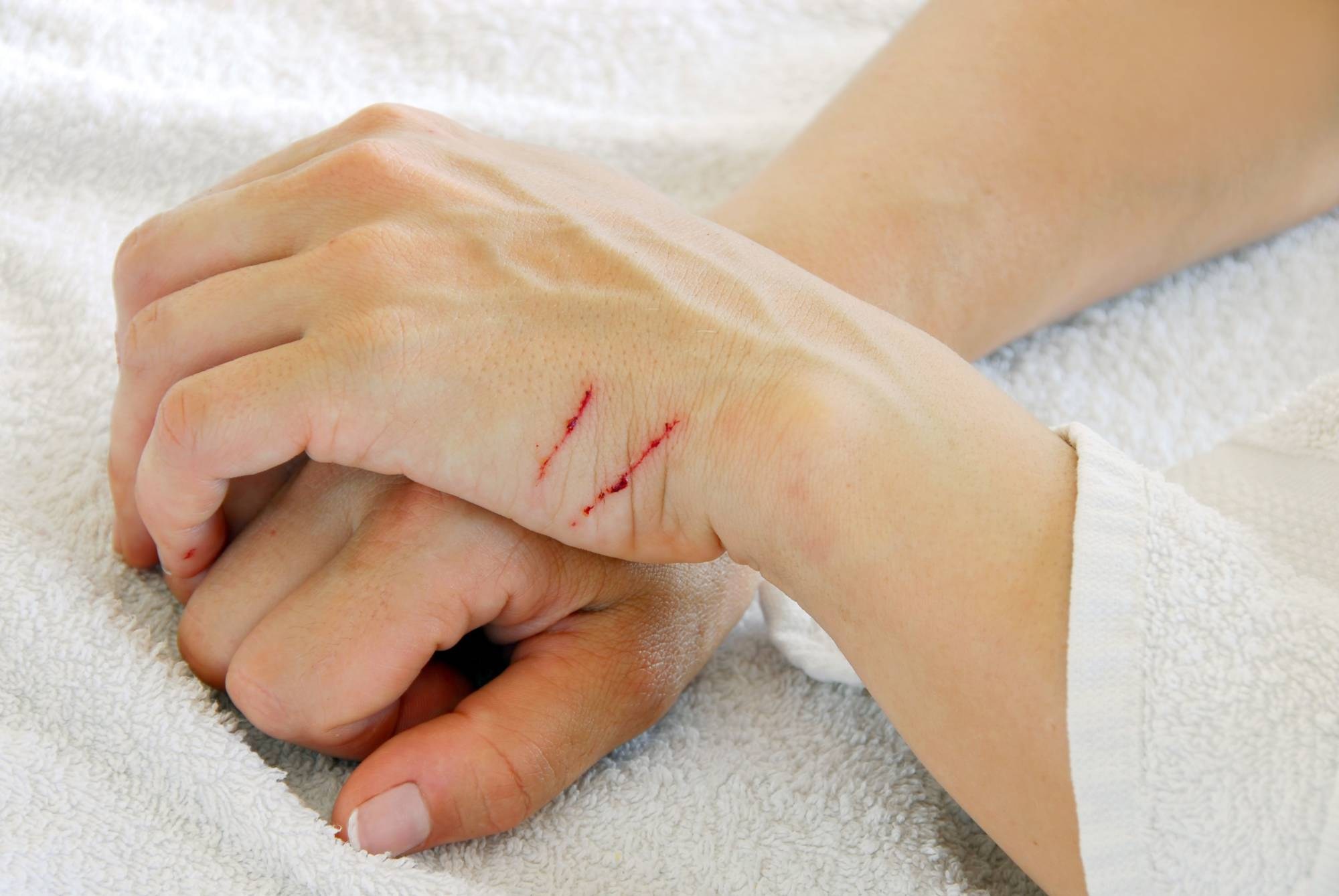

Razor cuts cause a person to feel pain physically, and although they provide temporary relief, they can lead to more serious problems in the long run. Cuts can cause dangerous consequences such as the risk of infection, permanent scars, and even life-threatening situations. For this reason, it is extremely important for people who have razor cuts to seek professional help.
Causes of Razor Cuts
Razor cuts are often seen as a way to cope with emotional problems. Some people make razor cuts to avoid negative emotions such as stress, anxiety, depression, or trauma. In addition, some people may perceive self-harm as a form of punishment.
Razor cuts can also be done to increase a person's self-esteem, strengthen their sense of control, or attract attention. In some cases, razor cuts can also become an addiction.
Razor Cut Treatment Methods
It is extremely important for people who have razor cuts to seek professional help. The treatment process usually includes psychotherapy and medication.
Psychotherapy: People who suffer from razor cuts usually receive psychotherapy from a psychologist or psychiatrist. Therapies such as Cognitive Behavioral Therapy (CBT) and Dialectical Behavioral Therapy (DBT) can be effective in addressing razor cuts.
Medication: In some cases, people who suffer from razor cuts may be prescribed antidepressant medications or anti-anxiety medications. These medications can help relieve emotional distress.
Supportive Treatment: People who suffer from razor cuts can also join social support groups or get support from family and friends. This can play an important role in the treatment process.
Emergency Care: If a razor cut causes a serious injury, immediate medical attention may be required. In this case, a healthcare provider should be contacted immediately.
What Happens If Razor Cuts Are Not Treated?
If razor cuts are not treated, they can lead to serious health problems. Infection, bleeding, deep cuts, and even death can occur. In addition, razor cuts can negatively affect a person's daily life and relationships.
Untreated razor cuts can also lead to more serious psychological problems. Depression, anxiety disorders, suicidal thoughts, and other mental health problems can increase as the razor cut problem progresses.
Therefore, it is extremely important for people with razor cuts to seek professional help and begin the treatment process as soon as possible. Early intervention is of great importance for both physical and psychological health.
 Call
Call
 Whatsapp