


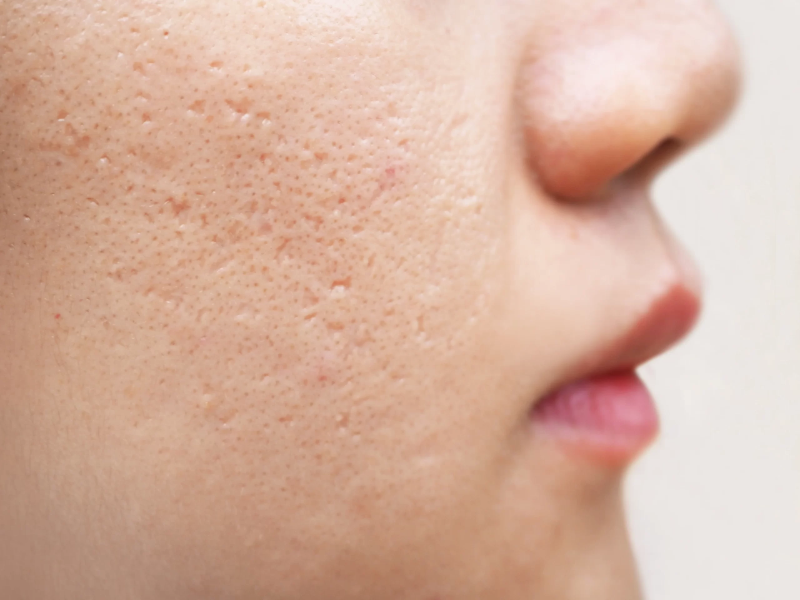

Our skin is a sensitive organ affected by many factors ranging from lifestyle to environmental exposure. Problems such as Acne & Pimple Scars may contribute to an uneven or rough skin appearance. Many methods have been developed to address these concerns, and Stem Cell Scar Treatment is one of the regenerative approaches that has attracted attention in recent years. In this article, we discuss its potential effects on the skin and how the treatment process may be planned.
What Is Stem Cell Scar Treatment?
Stem cell scar treatment refers to regenerative or cell-based approaches intended to support tissue remodeling and improve the appearance of selected scars. Stem cells have the ability to renew themselves and participate in different biological repair processes. For this reason, cell-based techniques are being investigated and used in selected medical applications involving damaged or scarred tissues.
Depending on the treatment protocol, cells or related biological materials may be obtained from the individual's own tissues. Some cell-based procedures may involve laboratory processing before the material is applied to selected areas of the skin. Stem Cell Scar Treatment may also be discussed among regenerative procedures offered by selected centers providing Ankara Laser and dermatological services, but the exact technique and suitability should be professionally evaluated.
One potential advantage of certain autologous approaches is the use of biological material obtained from the individual's own body. This may reduce some compatibility-related concerns, but it does not eliminate the possibility of side effects, infection, inflammation, or other complications. Safety depends on the technique, preparation process, sterility, and individual medical characteristics.
Factors That Can Cause Uneven Skin Texture
Many factors may contribute to an uneven skin surface. Acne & Pimple Scars are among the common causes. Inflammatory acne can sometimes leave persistent changes in skin texture, particularly when deeper structures are affected. Dryness, ultraviolet exposure, previous inflammation, and inappropriate skin care may also influence the appearance of the skin.
Aging can also contribute to changes in skin texture. As the skin ages, changes occur in collagen, elastin, hydration, and other structural components. As a result, fine lines, wrinkles, loss of elasticity, and textural irregularities may become more noticeable over time.
Environmental factors may also influence how healthy and smooth the skin appears. Air pollution, smoking, excessive ultraviolet exposure, and irritating substances can affect the skin barrier and overall appearance. Appropriate skin care and protection from avoidable environmental damage can therefore support general skin health.
Effects of Stem Cell Treatment on the Skin
Stem Cell Scar Treatment may be considered as part of selected regenerative approaches intended to improve scar appearance and skin texture. Depending on the biological product and treatment method used, tissue remodeling may occur gradually. However, the degree of improvement varies, and the treatment should not be expected to restore every type of scar or skin irregularity completely.
Some regenerative approaches are being evaluated for their potential effects on collagen-related tissue remodeling and skin structure. Collagen is an important structural protein that contributes to skin strength and elasticity. Changes in collagen remodeling may therefore influence how certain scars and textural irregularities appear, although individual responses can differ.
Changes in skin appearance may also influence how some individuals feel about their skin. However, aesthetic improvement and its effect on self-confidence vary from person to person. Stem cell-based procedures should therefore be considered according to medical suitability and realistic treatment expectations rather than as a guaranteed rejuvenation method.
Advantages of Stem Cell Scar Treatment
One potential advantage of Stem Cell Scar Treatment is that certain approaches use biological material obtained from the individual's own tissues. This may provide a regenerative treatment option in selected cases. However, results cannot automatically be considered permanent, and the duration or degree of improvement depends on the scar type, treatment method, and individual response.
Some cell-based procedures may also be performed using minimally invasive techniques rather than conventional surgery. Recovery requirements depend on how the cells or biological material are obtained and applied. Therefore, the treatment should not automatically be described as risk-free, faster to heal, or unlikely to interfere with daily activities in every individual.
Another potential advantage is that the treatment plan can be individualized. Skin characteristics, type of scar, depth of the irregularity, previous procedures, and general health may all influence the treatment approach. Individualized planning can help determine whether a cell-based treatment is appropriate and what results can realistically be expected.
How Does the Stem Cell Treatment Process Work?
The treatment process depends on the specific stem cell or regenerative technique being used. In some autologous approaches, biological material may be collected from the individual's own tissue. If laboratory processing or cell expansion is involved, this requires specific medical, laboratory, and regulatory conditions and should not be considered a routine cosmetic preparation step.
In selected protocols, the prepared material may then be applied or injected into the area being treated. The procedure may sometimes be performed with local anesthesia depending on the method and treatment area. The level of discomfort varies, and the biological material should not be described as directly repairing all damaged tissue or removing scars.
After treatment, a recovery period follows. Temporary redness, swelling, tenderness, or other local reactions may occur depending on the procedure. Following the recommended skin care and aftercare instructions may support recovery. Visible changes, when they occur, generally develop gradually rather than according to a guaranteed timeline of a few weeks.
Who May Be Suitable for Stem Cell Scar Treatment?
Stem Cell Scar Treatment may be considered for selected individuals who are concerned about scars or uneven skin texture, but it is not automatically suitable for everyone. The type and depth of the scar, skin characteristics, active skin conditions, medical history, and the exact regenerative technique should all be assessed before treatment.
Individuals with persistent Acne & Pimple Scars may be evaluated for different scar treatment options. However, cell-based treatment is only one possible approach, and other procedures may be more appropriate depending on whether the concern involves depressed scars, raised scars, pigmentation, or general textural irregularity.
Some regenerative treatments are also being investigated or used for broader skin-quality concerns, but they should not be presented as guaranteed treatments for wrinkles, loss of elasticity, or aging-related changes. Professional medical evaluation is important to determine whether the proposed treatment is appropriate and to establish realistic expectations regarding possible benefits and risks.
 Call
Call
 Whatsapp