


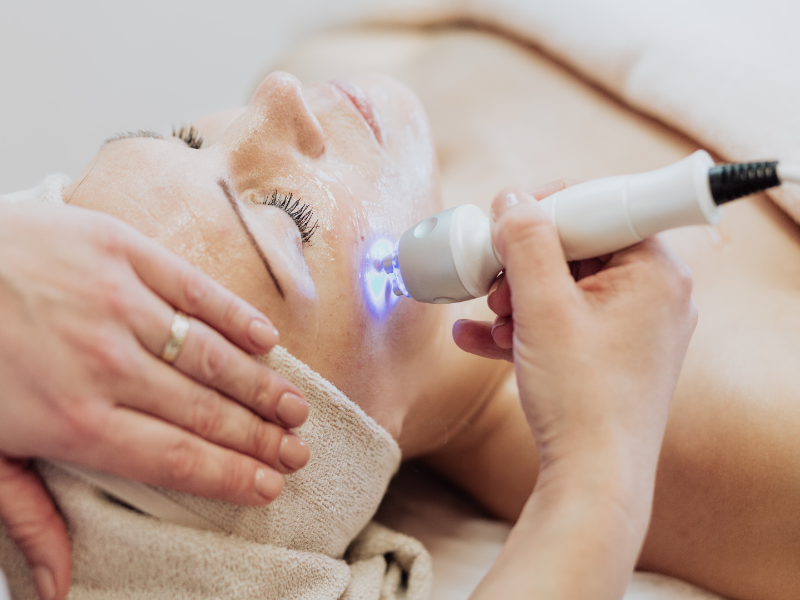

Sunspot treatment refers to dermatological procedures intended to reduce the appearance of dark spots caused by sun exposure. Sunspot treatment aims to lighten pigmentation caused by concentrated melanin in the skin. Laser treatments, chemical peeling and microdermabrasion may be considered as part of this process.
These methods may help balance skin tone and improve the appearance of the skin. Sunspots may become more noticeable during the summer because people spend more time outdoors. Skin pigmentation treatments may be planned according to the type of pigmentation and the person’s skin structure.
In addition to the possible benefits of sunspot treatment, certain risks and side effects should be considered. Professional assessment is important before treatment. Since every skin type is different, an individual treatment plan should be prepared.
Causes of Sunspots
Sunspots may develop when the skin is exposed to ultraviolet radiation. UV rays may increase melanin production and contribute to dark pigmentation. Genetic factors may also play a role. People with a family history of sunspots may have a greater likelihood of experiencing similar concerns.
Ageing is another contributing factor. The structure of the skin changes with age, and the effects of long-term sun exposure may become more noticeable. This may contribute to dark pigmentation commonly described as age spots. Sunspots may be seen more frequently at an advanced age.
Hormonal changes may also affect the appearance of sun-related pigmentation. Dark patches known as melasma may occur during pregnancy or hormonal treatment. The effects of hormones on melanin production, combined with sun exposure, may increase the risk of pigmentation.
Advantages of Sunspot Treatment During the Summer
Sunspot treatment may be planned with certain methods during the summer; however, treatment selection requires care because of intense sun exposure. Some laser and peeling procedures may need to be postponed or performed at a lower intensity. The decision should be based on skin type, the characteristics of the pigmentation and the person’s ability to avoid the sun.
People planning treatment during the summer should be able to follow aftercare recommendations regularly. Protecting the skin, using suitable sunscreen and limiting direct sun exposure are important after treatment. When these precautions cannot be followed, postponing treatment to a more suitable season may be considered.
Treatments performed during the summer should be selected according to sun-protection conditions. Certain superficial procedures may be planned during this period, while autumn or winter may be more suitable for treatments that cause noticeable skin sensitivity. Treatment timing should therefore be determined individually.
Pigmentation Treatments: Which Methods Are Most Suitable?
Pigmentation treatments include various methods, and the suitable option depends on the type of pigmentation and the person’s skin type. Laser treatments may target dark pigment and support the skin renewal process. Ankara Lazer procedures may also be planned according to individual skin and pigmentation characteristics.
Chemical peeling creates controlled exfoliation of the upper skin layer and may help lighten pigmentation and balance the skin tone. It may be considered for certain superficial spots. Microdermabrasion gently abrades the upper skin layer and may help reduce the appearance of lighter pigmentation.
Topical creams and serums may also be used. Depending on their ingredients, these products may affect melanin production and help reduce visible pigmentation. Results may take time and regular use may be required. A suitable method should be selected following professional assessment.
Ankara Lazer Treatment: Why May It Be Preferred?
Ankara Lazer treatment is one of the methods that may be considered for reducing the appearance of sunspots. Different centres in Ankara offer various laser technologies. The device and procedure should be selected according to the person’s skin type and the characteristics of the pigmentation.
Laser treatment may help lighten spots by targeting concentrated melanin. Temporary redness, sensitivity or mild crusting may occur following the procedure. Recovery time may vary according to the method and the person’s skin structure.
An individual plan is important during Ankara Lazer procedures. Skin type, pigmentation depth, sun exposure and current medication should be assessed when selecting the method. Working with a qualified practitioner may help the process progress in a more controlled manner.
Points to Consider After Sunspot Treatment
Several important points should be considered to support the skin’s recovery after sunspot treatment. Intense sun exposure should be avoided, and sunscreen suitable for the skin type should be used. The skin may become more sensitive to sunlight following skin pigmentation treatments.
Attention should also be paid to the post-treatment skincare routine. Moisturising the skin and avoiding irritating products may help support the skin barrier. Very hot water, intense exercise and abrasive skincare procedures may need to be avoided while sensitivity continues.
Professional assessment should be obtained if unexpected or increasingly severe reactions occur after treatment. Prolonged redness, significant swelling, severe pain, blistering or intense crusting should be evaluated. Following aftercare recommendations may help the process progress in a more controlled manner.
 Call
Call
 Whatsapp