


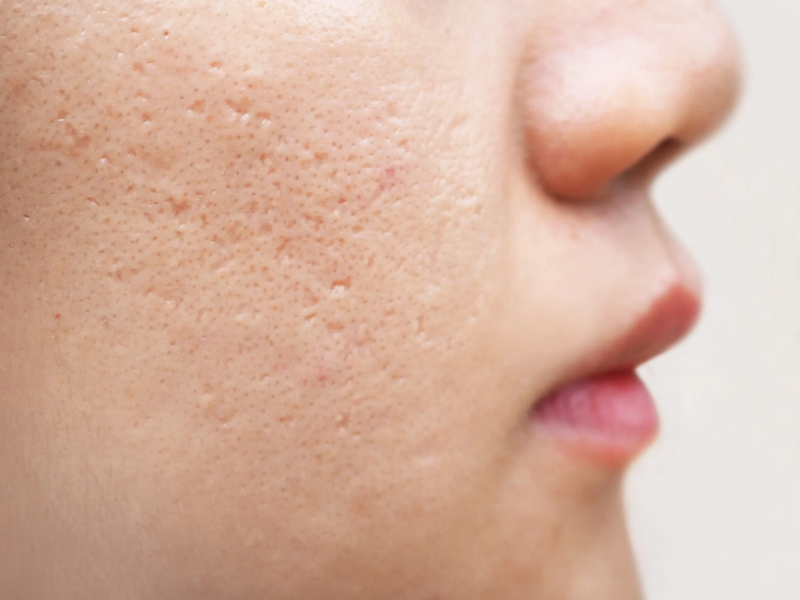

Acne is a common skin concern that many people experience at some point in their lives. However, during the acne treatment process, acne scars and especially pitted scars may be aesthetically disturbing. In this article, we will answer the question of whether the appearance of pitted scars can be reduced with acne treatment.
What Is Acne Treatment?
Acne treatment includes a series of methods and applications used to help the skin regain a healthier appearance. The causes of acne include hormonal changes, genetic factors, diet, and stress. Therefore, each of these factors should be taken into consideration during the treatment process.
Treatment methods may vary depending on the severity of acne and skin type. Various methods such as topical creams, oral medications, and skincare applications are generally used. These may help the skin look cleaner and healthier. However, the treatment of acne scars requires a different and more specific approach.
To achieve successful results in acne treatment, it is important to be patient and consistent. The treatment process may take time, and personal care habits may also increase treatment effectiveness. During this process, guidance from specialist dermatologists is very important.
Pitted Scars and Their Causes
Pitted scars are one of the most common types of scars that may occur on the skin after acne. These scars occur as a result of damage to the skin tissue and insufficient recovery. The primary cause of pitted scars is damage caused by acne in the deeper layers of the skin.
Many factors play a role in the formation of these scars. Genetic tendency, incorrect treatment methods, improper intervention in acne, and skin infections may contribute to the formation of pitted scars. In addition, deep and inflamed acne tends to leave more pitted scars compared to superficial acne.
To prevent the formation of pitted scars, it is necessary to start acne treatment early and apply appropriate treatment methods. In addition, paying attention to skincare and following dermatologist recommendations are important to minimize the formation of acne scars.
The Effect of Acne Treatment on Pitted Scars
Acne treatment plays an important role in reducing pitted scars. With the right treatment methods, the appearance of these scars may be visibly reduced. Acne treatment may help the skin renew itself and soften the depth of pitted scars.
Different treatment methods may vary depending on the type of scars and skin type. For example, chemical peeling, microneedling, and laser treatments are among the frequently preferred methods to improve the appearance of pitted scars. These methods may provide effective results by exfoliating the upper layer of the skin or stimulating collagen production under the skin.
However, completely eliminating pitted scars may not always be possible. With the right treatment and care methods, the scars may become less noticeable. In this process, getting support from a specialist dermatologist may increase treatment effectiveness.
Acne Treatment Methods
There are multiple methods for acne treatment. These should be selected according to the needs of the skin and the severity of acne. Here are the most common acne treatment methods:
Topical Treatments: Creams and gels applied to the skin surface may be the first step in acne treatment. These products may generally contain benzoyl peroxide, salicylic acid, or retinoids.
Oral Medications: Antibiotics or hormone-regulating medications taken orally may be effective for persistent acne. These medications work by reducing bacteria on the skin and controlling inflammation.
Light and Laser Treatments: These methods may help prevent acne formation and improve skin structure by targeting bacteria under the skin.
Each treatment method has its own advantages and possible side effects. Therefore, before starting treatment, it is important to consult a dermatologist and determine the most suitable method.
The Most Effective Treatment Methods for Pitted Scars
Several different methods may be effective in the treatment of pitted scars. Each method has different mechanisms and results. Here are some of the effective treatment methods for pitted scars:
Chemical Peeling: This method exfoliates the upper layer of the skin and supports the formation of newer and healthier-looking skin. It may be applied at certain intervals to soften the appearance of pitted scars.
Microneedling: This method increases collagen production by creating microscopic channels in the skin. It helps tighten the skin texture and makes scars less noticeable.
Laser Treatments: Laser beams reach the tissues under the skin, increase collagen production, and smooth the skin surface. This treatment may significantly improve the appearance of pitted scars.
Each treatment method has different results and durations. Although treatment may provide successful outcomes, more than one session may sometimes be needed. Therefore, it is important to be patient and follow the treatment plan.
Professional Treatment Options
Professional treatment options offer an effective way to reduce the appearance of pitted scars. These methods applied by dermatologists generally provide faster and longer-lasting results.
Dermabrasion: This method, which involves mechanical exfoliation of the skin surface, may help achieve a smoother skin texture. It reduces the depth of pitted scars and helps the skin appear more homogeneous.
Filler Injections: Fillers such as hyaluronic acid are injected beneath pitted scars to level the skin surface. This method usually offers a relatively quick recovery period.
PRP Treatment: This treatment is performed by injecting plasma obtained from the person’s own blood into the skin. It supports skin renewal and helps reduce the appearance of scars.
These professional treatment methods can be adapted according to skin structure and the condition of the scars. Each method has its own advantages and limitations. Therefore, dermatologist guidance is important to determine the right treatment option.
Care After Acne Treatment and Things to Consider
Skincare after acne treatment is critically important for increasing treatment success and supporting the recovery process. Here are some important points to consider:
Daily Skin Cleansing: Regularly cleansing the skin with a gentle cleanser prevents the accumulation of dirt and oil. Skin cleansing may reduce new acne formation by preventing clogged pores.
Moisturizing: Using a moisturizer suitable for the skin type protects the skin’s moisture balance and supports the recovery process. Moisturized skin offers a healthier appearance.
Sun Protection: After treatment, the skin may become sensitive, so sunscreen use is necessary. Sun exposure may cause scars to become more noticeable.
Attention should be paid to the ingredients of products used during skincare, and dermatologist recommendations should be followed to prevent allergic reactions. Proper care routines may help maintain treatment results and improve overall skin health.
 Call
Call
 Whatsapp