


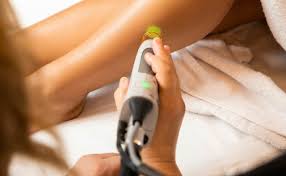

There are some important points to consider between laser hair removal and chemotherapy treatment. Chemotherapy can weaken the body's immune system, affecting many parts of the body, including the skin and hair. Therefore, laser hair removal is generally not recommended during the chemotherapy process.
Risks of Laser Hair Removal for Those Receiving Chemotherapy:
Skin Sensitivity and Irritation:
Skin usually becomes more sensitive during chemotherapy treatment. Laser hair removal applies heat and light to the skin, which can cause irritation and redness. This sensitivity of the skin after chemotherapy can make the healing process difficult.
Hair Loss:
Chemotherapy treatment usually causes hair loss, and facial hair may also fall out. Laser hair removal is used to provide permanent hair loss, but laser sessions during chemotherapy treatment may not prevent hair regrowth, because hair regrowth after chemotherapy can vary genetically.
Weak Immune System:
Since chemotherapy treatment weakens the immune system, the risk of infection increases. Laser hair removal applies heat to the lower layers of the skin, which can potentially interfere with wound healing or increase the risk of infection.
When is Laser Hair Removal Right After Chemotherapy?
It is important to wait a while after chemotherapy is complete. It is generally recommended to wait at least 6 months after treatment is complete. During this time, the skin heals from the treatment and becomes more stable, making laser hair removal safer.
It is best to act in consultation with your doctor. It is very important to get individual advice about your skin and general health after chemotherapy for your safety.
Bottom Line:
Having laser hair removal while you are undergoing chemotherapy can increase skin sensitivity and make the healing process more difficult. Laser hair removal can be done after your skin health improves after chemotherapy, but it is always necessary to consult your doctor.
 Call
Call
 Whatsapp