



Thyroid disease is a health condition caused by the abnormal functioning of the thyroid gland. The thyroid gland is a small organ located at the front of the neck and produces hormones that regulate our metabolism. Thyroid hormones control body temperature, heart rate, and energy levels.
Thyroid diseases are generally examined in two main groups: hyperthyroidism (overactive thyroid gland) and hypothyroidism (underactive thyroid gland). Hyperthyroidism manifests with symptoms such as a fast metabolism, weight loss, and irritability; while hypothyroidism is defined by symptoms such as a slow metabolism, weight gain, and lack of energy. These conditions can usually be controlled with medication, but in some cases, surgical intervention may be required.
To improve the quality of life of thyroid patients, it is important to follow regular doctor check-ups and adhere to treatment plans. In addition, these conditions may also affect skin and hair health, so it may be beneficial to have information about aesthetic procedures.
What Is Laser Hair Removal and How Does It Work?
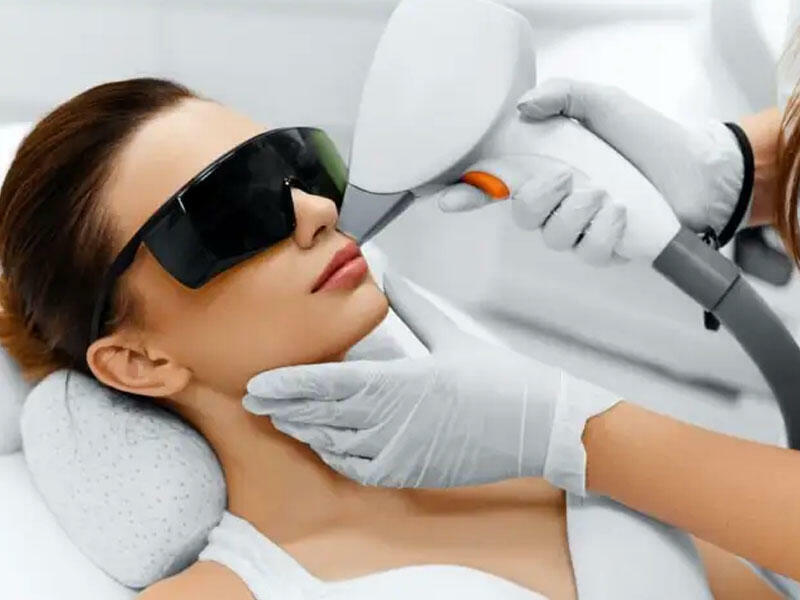
Laser hair removal is a popular method used to get rid of unwanted hair. This technique uses laser beams to damage hair follicles, thereby reducing hair regrowth. Laser hair removal is generally preferred for areas such as the legs, arms, face, and bikini region.
During the laser hair removal procedure, the laser device is applied to the skin and the laser beams pass through the skin to reach the hair follicles. These beams are absorbed by a natural pigment called melanin and converted into heat energy, which destroys the hair follicles. This process prevents or significantly reduces hair regrowth.
For this procedure to be effective, several sessions are usually required. The number of sessions may vary depending on skin type, hair color, and the targeted area. After the procedure, some hair follicles may be permanently destroyed, while others may regrow over time. Therefore, the results of laser hair removal may vary from person to person.
Can Thyroid Patients Get Laser Hair Removal?
Whether thyroid patients can undergo laser hair removal is a frequently asked question. In general, thyroid patients can have laser hair removal; however, some important considerations must be taken into account. First of all, thyroid patients should consult their doctor before any aesthetic procedure. This is because thyroid disease and the medications used may affect the effectiveness of laser hair removal or its impact on the skin.
The laser beams used during laser hair removal do not have any direct effect on the thyroid gland. However, skin sensitivity may be more common in thyroid patients, and this may affect the laser hair removal process. Thyroid patients should consult an experienced specialist to minimize skin sensitivity and possible side effects.
In summary, thyroid patients can undergo laser hair removal, but their personal health condition and skin type should be considered, and expert advice should be obtained. This ensures that the procedure is carried out safely and effectively.
Who Should Not Get Laser Hair Removal?
The question of who should not undergo laser hair removal is important for those interested in aesthetic procedures. Although laser hair removal is suitable for many people, it is not recommended for some individuals. Here are some groups who should not undergo laser hair removal:
Pregnant and Breastfeeding Women: Since hormone levels change during pregnancy and breastfeeding, the effects of laser hair removal may be unpredictable, and it is recommended to avoid it during this period.
People with Skin Diseases: Individuals with active skin infections, eczema, or psoriasis may need to treat their skin condition first.
Cancer Patients: Especially individuals with a history of skin cancer should avoid light-based treatments such as laser hair removal.
The suitability of laser hair removal may vary depending on personal health status, skin type, and other factors. Therefore, it is important for those considering the procedure to be evaluated under the guidance of a dermatologist or specialist.
Advantages of Laser Hair Removal Applications
Laser hair removal applications offer many advantages, making it easier to get rid of unwanted hair. Here are some of the benefits:
Long-Term Results: Laser hair removal may reduce hair regrowth in the long term. This can eliminate the need for regular shaving or waxing.
Fast Application: Laser hair removal sessions are generally quick. Small areas can be completed within minutes, while larger areas may take a bit longer.
Skin-Friendly: When applied correctly, laser hair removal does not damage the skin and is suitable for most skin types. However, skin sensitivity should be taken into account.
Laser hair removal is an effective and safe method when applied correctly. Better results can be achieved with sessions planned according to the individual’s skin type and hair structure.
Things to Consider Before and After Laser Hair Removal
There are some important points to consider before and after laser hair removal. These steps help make the procedure safer and more effective:
Before:
Protect from the sun and avoid tanning a few weeks before the procedure.
Avoid removing hair from the root (such as waxing or tweezing).
After:
The skin may be sensitive after the procedure, so it should be moisturized and protected from sunlight.
Avoid hot water and harsh chemicals.
Expert Advice:
Following your specialist’s recommendations before and after each session is important for maintaining skin health.
To manage the laser hair removal process in the best way, it is necessary to stay in communication with the specialist performing the procedure and follow their recommendations.
 Call
Call
 Whatsapp