


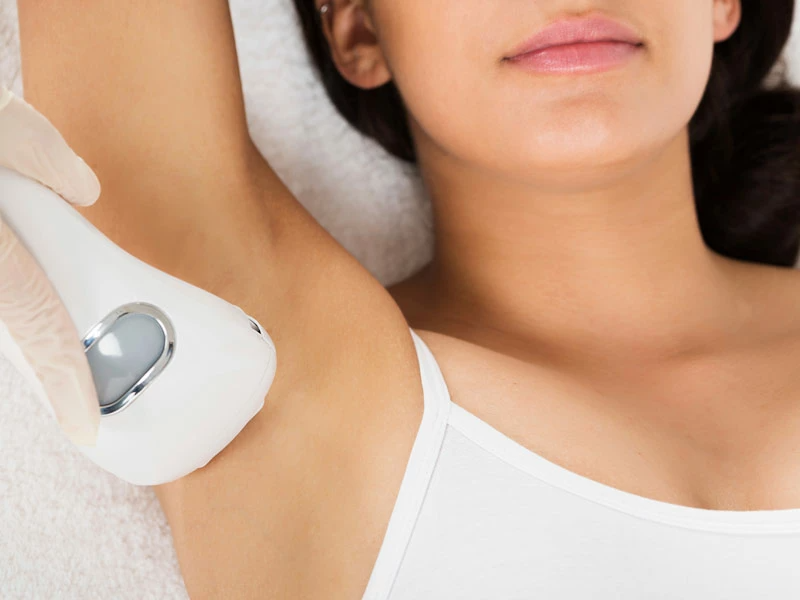

The menstrual period is a time when many women experience physical and emotional changes. During this time, fluctuations in hormones and emotional shifts may affect certain routine care procedures. The question “can you go for laser hair removal during menstruation?” is frequently raised in this context. Laser hair removal is a preferred method for reducing unwanted hair, and some special considerations may be necessary during this process.
The principle of laser hair removal is to slow down hair growth by targeting the hair follicles with laser beams. When applied regularly, this method can lead to a noticeable reduction in hair. However, some women report increased skin sensitivity and a lower pain threshold during menstruation. Therefore, undergoing laser hair removal during this period may be less comfortable for some individuals.
The effects of laser hair removal during menstruation may vary from person to person. While some individuals experience no issues, others may find it uncomfortable. For this reason, it is important to listen to your body and make a decision based on your personal needs.
What Is Laser Hair Removal?
Laser hair removal is a method used to reduce unwanted hair. In this process, laser beams are directed at the hair follicles, targeting them to slow down hair growth. Over time, laser hair removal can help reduce hair significantly.
Laser hair removal can be performed using various devices and techniques. By using different wavelengths and energy levels, a treatment plan suitable for each skin and hair type can be created. The process usually requires multiple sessions, with specific intervals between them.
The advantages of laser hair removal include long-lasting results, quick application time, and the ability to treat large areas. However, the number of sessions and results may vary depending on individual factors. Consulting a specialist before treatment is important to achieve the best outcomes.
Can Laser Hair Removal Be Done During Menstruation?
It is possible to undergo laser hair removal during menstruation, but certain personal factors should be considered. Hormonal changes during this period may increase skin sensitivity, which can make the procedure more uncomfortable. However, this is not the case for every woman, and the level of discomfort depends on the individual.
Those considering laser hair removal during menstruation should listen to their body signals and evaluate potential discomfort before the procedure. Individuals with a lower pain threshold may find the process less comfortable. Additionally, appropriate hygiene and comfort measures should be taken during the session.
Some people prefer to undergo laser hair removal during menstruation and experience no issues. Therefore, it is important to consider personal preferences and bodily responses. If you are unsure, consulting a specialist can help determine whether it is suitable for you.
Advantages and Disadvantages of Laser Hair Removal During Menstruation
There are both advantages and disadvantages to undergoing laser hair removal during menstruation. Evaluating these factors can help you make a more informed decision.
Advantages:
- Continuity of Treatment: You can continue your treatment without interruption.
- Maintaining Routine: It allows you to keep your personal care routine on track.
Disadvantages:
- Increased Sensitivity: Skin may be more sensitive, leading to more discomfort during the procedure.
- Risk of Irritation: There may be a higher risk of redness and irritation.
In conclusion, whether to undergo laser hair removal during menstruation depends on personal factors. Considering your body signals and needs is essential. If you have concerns, consulting a specialist can provide helpful guidance.
When Should Laser Hair Removal Be Done?
The question “when should laser hair removal be done?” is commonly asked by those considering the procedure. The most suitable time is when the skin is in optimal condition. Autumn and winter months are generally considered ideal, as the skin is less exposed to sunlight.
It is also important to maintain proper intervals between sessions, usually between four to six weeks. During this time, the skin rests and regenerates. Continuing treatment with regular sessions is essential for achieving the best results.
Although laser hair removal can also be performed during summer months, proper sun protection measures must be taken. Sunburned or tanned skin may reduce the effectiveness of the treatment and increase the risk of unwanted reactions.
Laser Hair Removal Applications and Processes
Laser hair removal procedures are carried out in professional clinics by specialists. First, a treatment plan is created based on the individual’s skin and hair type. The number of sessions is determined according to personal needs and expectations.
During the procedure, the laser device targets hair follicles to slow down hair growth. The session may last from a few minutes to an hour, depending on the size of the area being treated. A mild stinging or burning sensation may be felt, but this varies from person to person.
After the treatment, mild redness or swelling may occur on the skin, but these effects usually disappear within a few hours. Using recommended creams and skincare products can help soothe the skin. Taking proper care of your skin during and after laser hair removal is important for achieving the best results.
Things to Consider After Laser Hair Removal
After laser hair removal, proper skincare is essential. The skin may be sensitive immediately after the procedure, and mild redness or swelling may occur. Using creams recommended by your specialist can help relieve these symptoms. Keeping the skin moisturized and protected from the sun is also important.
Avoid direct sun exposure and use sunscreen after the procedure. Since the skin is more sensitive, sun exposure may cause unwanted reactions. Protecting your skin helps ensure faster healing and better results.
Finally, side effects such as peeling or flaking may occur after laser hair removal. In such cases, gently cleansing the skin and using moisturizers is important. If you experience any concerns or unexpected reactions, you should consult your specialist immediately.
 Call
Call
 Whatsapp