


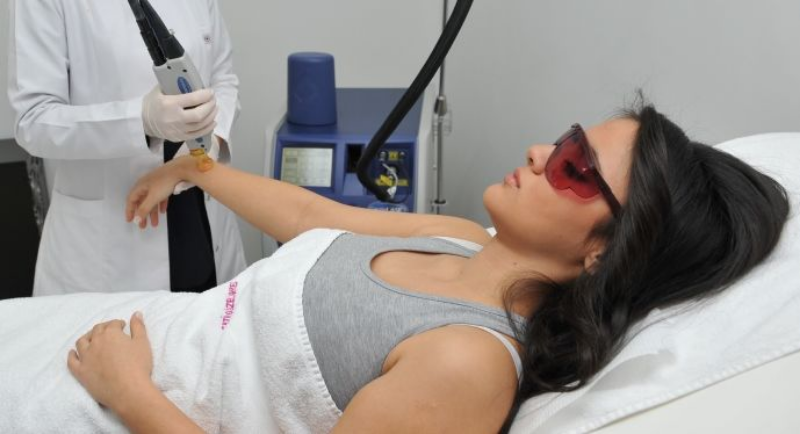

Laser epilation has become a widely preferred method in recent years for reducing unwanted hair. However, how to care for the skin after the procedure is a common concern. One of the most frequently asked questions is whether waxing can be done after laser epilation.
What Is Laser Epilation?
Laser epilation is an effective method used to reduce unwanted hair by targeting hair follicles with laser beams. This process aims to damage the follicles and slow down hair regrowth over time. One of its main advantages is the potential for long-lasting results.
The effectiveness of laser epilation varies from person to person. Factors such as skin type, hair color, and thickness influence how quickly and effectively results are achieved. Since multiple sessions are usually required, patience is important.
This method can be applied to various areas such as the face, legs, arms, and bikini area, making it a versatile option for personal care.
Advantages of Laser Epilation
Laser epilation offers several advantages. First, it helps reduce hair growth over time, making it a suitable option for those seeking longer-term solutions compared to traditional methods.
Another advantage is that the procedure is quick and practical. Each session usually takes a short amount of time, even for larger areas. This is especially convenient for individuals with busy lifestyles.
Additionally, laser epilation tends to cause less irritation compared to methods like waxing or shaving. This helps maintain healthier-looking skin.
Can You Wax After Laser Epilation?
The question of whether waxing can be done after laser epilation is very common. After laser treatment, hair follicles are in a sensitive state. For this reason, it is generally recommended to avoid waxing immediately after the procedure.
Waxing removes hair from the root, which can irritate the skin. When combined with laser treatment, it may prolong the skin’s recovery process and increase the risk of unwanted reactions. Therefore, avoiding waxing for at least a few weeks after laser epilation is considered best practice.
Instead, using soothing moisturizers can help calm the skin and support the healing process. Since each person’s skin is different, developing a personalized aftercare routine is important.
Things to Consider Before and After Laser Epilation
There are several important points to consider before and after laser epilation. Before the procedure, the skin should not be tanned, as tanned skin may reduce the effectiveness of the laser and increase the risk of burns.
It is also important for the skin to be clean and free of makeup before the session. Keeping the hair short helps the laser target the follicles more effectively.
After the procedure, protecting the skin from the sun is crucial. Using sunscreen and avoiding direct sun exposure can prevent damage and pigmentation. Moisturizing the skin also helps reduce sensitivity.
Laser Epilation Process
Laser epilation is typically planned as a multi-session process. During the first session, specialists evaluate your skin type and hair structure to create a suitable treatment plan.
There should be a gap between sessions to allow hair to regrow in different cycles. Usually, sessions are scheduled 4 to 6 weeks apart.
During the sessions, a mild discomfort may be felt, but it is generally tolerable. After treatment, slight redness or swelling may occur, but these effects usually subside quickly.
Post-Laser Epilation Care Tips
Proper aftercare is essential for maintaining results and protecting skin health. Here are some recommendations:
- Moisturizing: Use light, fragrance-free moisturizers to keep the skin hydrated.
- Sun Protection: Apply high-SPF sunscreen to protect the skin from UV rays.
- Showering: Avoid hot water; instead, opt for lukewarm or cool showers to prevent irritation.
Following these care tips can help you achieve healthier skin and longer-lasting results after laser epilation.
 Call
Call
 Whatsapp