


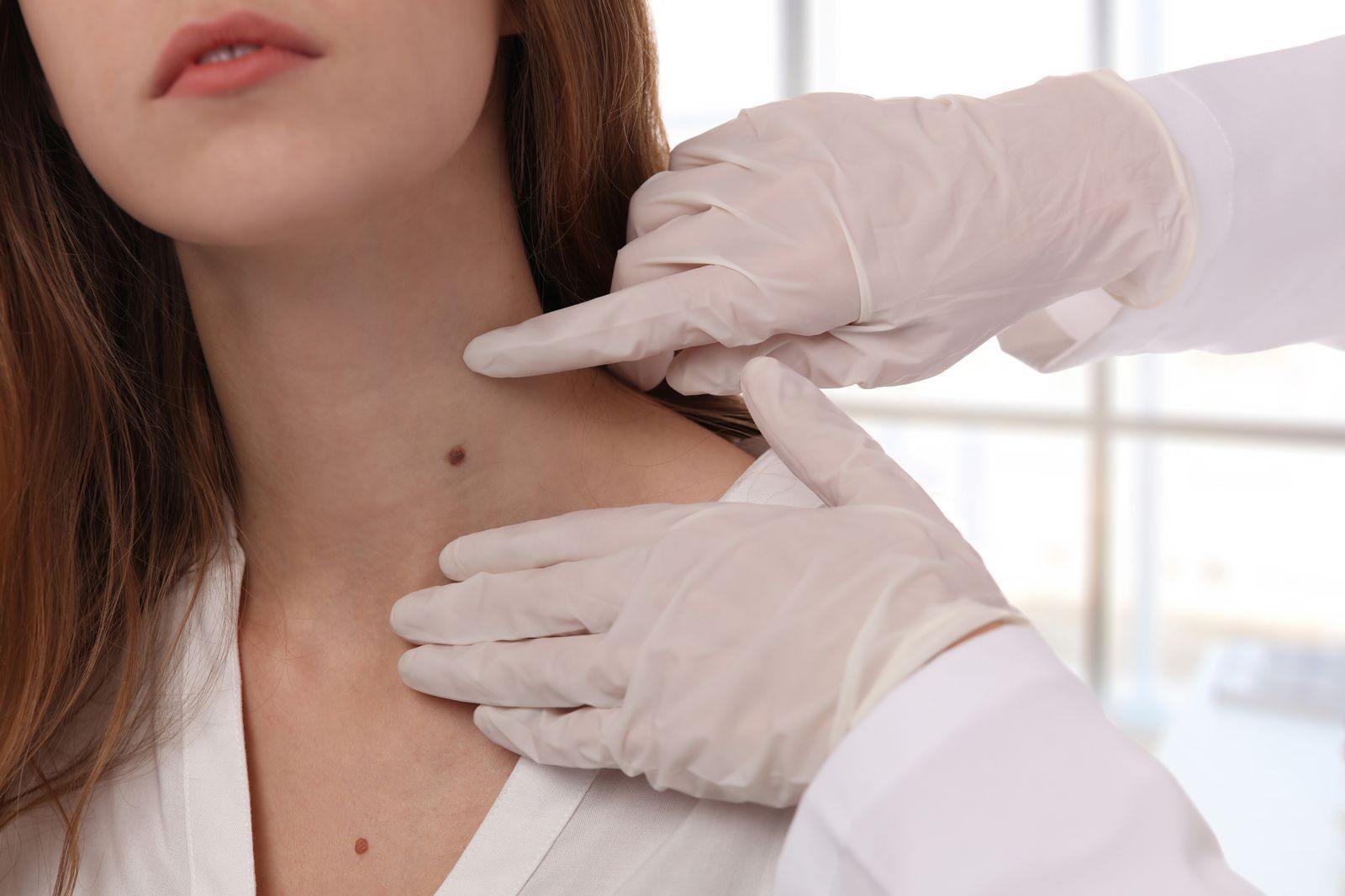

Capillary cracking in the neck occurs as a result of the contraction of the capillary muscles. Vascular fractures can also be seen in different parts of the body. The neck region is one of them. There is blood accumulation at the shrinkage point and cracking occurs. In this case, an image similar to a spider web appears. Although it generally occurs infrequently, in some cases, capillary cracks can reach dimensions that disturb people. It most commonly occurs in the nose, eyes, legs, face and cheeks. Capillary cracks in the neck, which occur due to many reasons, occur mostly with factors such as sun exposure and aging of the skin.
Treatment of Cracked Capillaries in the Neck
Since capillary cracking on the neck is a very sensitive body area, it should be done professionally. Radiofrequency and sclerotherapy techniques are used in such treatments. However, in the applications to be made for the neck region, the recommendation of the specialist physician should be taken into consideration. By looking at the type of cracks and the general condition of the patient, capillary treatment can be performed on the neck. Laser therapy may be a more comfortable option than other treatments. For those who want to complete this process in a less painful way, cooling techniques and pain relief creams can be used. There are some points to consider before treatment. Blood thinners and vasodilators should be discontinued before capillary treatment. In addition, it should not be exposed to too much heat and cold before the application.
How Does the Laser Effect on Cracked Capillaries in the Neck?
When the capillary crack in the neck is tried to be removed with laser applications, the capillaries in the skin are closed by the laser beam. This is due to the sudden thermal effect. Large capillaries can cause larger causes. With the deterioration of vascular integrity, blood flow is blocked. It is excreted from the body when the integrity of the vascular structures is disrupted by the body. In this way, capillary treatment is performed. Cracks of capillaries can be treated with laser in two to four sessions between two and three weeks. After the application, redness and swelling may occur. These side effects can get better without any reaction. In some cases, it may take a few moments. During the treatment of thick capillary cracks, darkening can be seen in the application area. Within a few weeks, these colors will lighten and the capillary will disappear.
 Call
Call
 Whatsapp