


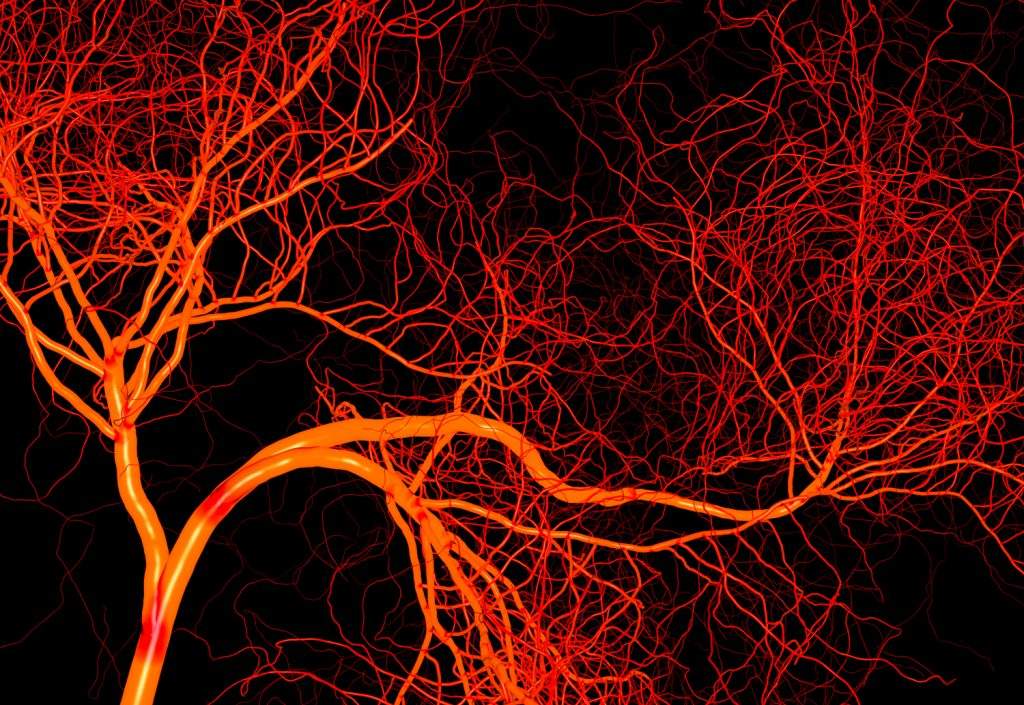

Capillary formations on the nose damage facial aesthetics. Therefore, it needs treatment. Thin veins that occur for different reasons can cause the appearance of spots and redness, especially in the face area. Capillaries that help nourish all our cells are located under the skin. These invisible vessels become visible when capillary cracks are exposed. Spider web-like vein cracks, which are mostly seen on the face, feet and legs, may occur due to:
* Sensitive, thin skin structure and aging
* Overweight and hypertension
* Various skin diseases and prolonged sun exposure
* Hormones and hematological problems
Apart from these, the role of genetic effects is very high among the causes of capillary vessels on the nose.
How Do Capillaries Pass on the Nose?
The capillary on the nose may pass spontaneously in some cases. In some cases, professional treatment is necessary. The milder ones go away on their own. Or it can be treated with natural mixtures, creams and masks used at home. Capillary cracks other than these can be removed by methods such as laser and light therapy. In those who prefer laser for effective treatment, the area of the problem on the nose is determined. Laser is applied in this area. Laser beams destroy the oxyhemoglobin cells in the blood. Destructive veins disappear over time. Laser capillary cracking treatment can be successfully concluded in those with facial rashes and rosacea disease.
Upper Nasal Capillary Treatment Time
When laser is used in the treatment of capillaries on the nose, targeted results can be achieved between 3 and 4 sessions on average. Results can be seen from the 3rd session. In cracks on the nose, especially laser capillary treatment sessions may be longer. Since the capillary is a reproducible problem, it is necessary to control it at regular intervals. Experts make the necessary skin analysis. In this way, more permanent and successful results are obtained. It is not recommended to apply capillary laser treatment on the nose, especially to people with bleeding disorders, epilepsy, pregnant women and those with pacemakers. After the procedure, there may be redness and crusting in the area. These effects disappear within a few days. There are no side effects.
 Call
Call
 Whatsapp