


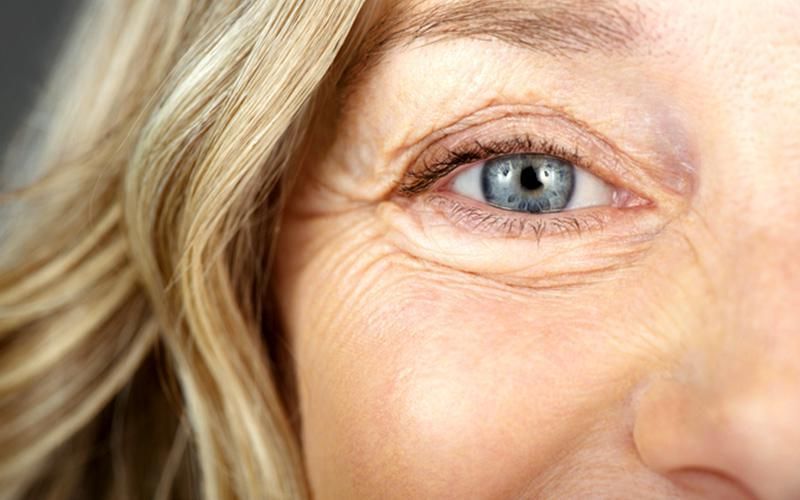

Aging is one of the most common causes of under-eye bags. As we age, the skin loses its elasticity and the fat and muscle tissue in the under-eye area weakens. This may cause sagging and swelling in the under-eye area. Additionally, during the aging process, collagen and elastin production under the skin decreases, causing under-eye bags to become more noticeable.
Sleep disorders and bags under the eyes
Sleep disturbance or not getting enough sleep is another common cause of under-eye bags. Lack of sleep can lead to fluid accumulation in the body and cause puffiness in the under-eye area. Additionally, lack of sleep can inhibit healthy skin renewal and cause under-eye bags to become more noticeable.
Allergies and under-eye bags
Allergic reactions can also cause under-eye bags. Allergies can cause itching, redness and swelling in the under-eye area. This can increase the appearance of under-eye bags. Under-eye bags are more likely to become noticeable, especially in people with seasonal allergies or allergies to pets.
Fluid retention and bags under the eyes
Fluid retention or edema in the body is another common cause of under-eye bags. Fluid accumulation may occur in the body in hot weather or in case of excessive salt consumption. This fluid accumulation can cause swelling in the under-eye area and cause under-eye bags to appear.
Lifestyle factors that contribute to under-eye bags
Lifestyle factors also play an important role in the formation of under-eye bags. Factors such as a stressful lifestyle, irregular nutrition, smoking and alcohol consumption can facilitate the appearance of under-eye bags. In addition, insufficient water consumption and excessive caffeine intake can also increase the appearance of under-eye bags.
Medical conditions and under-eye bags
Some medical conditions can also cause under-eye bags. For example, conditions such as thyroid diseases, kidney diseases, and allergic rhinitis can increase the appearance of under-eye bags. If under-eye bags appear suddenly or are accompanied by other symptoms, it is important to consult a doctor.
Prevention and treatment options for under-eye bags
There are several options for preventing and treating under-eye bags. First, it is important to get enough sleep, avoid stress, and maintain a healthy lifestyle. It may also be beneficial to use eye creams that moisturize the under-eye area and increase skin elasticity.
If under-eye bags have become a significant problem, medical treatments may also be considered. For example, procedures such as under-eye filler or laser treatment may be performed to reduce under-eye bags. However, it is important to talk to a doctor about the risks and benefits of such treatments.
 Call
Call
 Whatsapp