


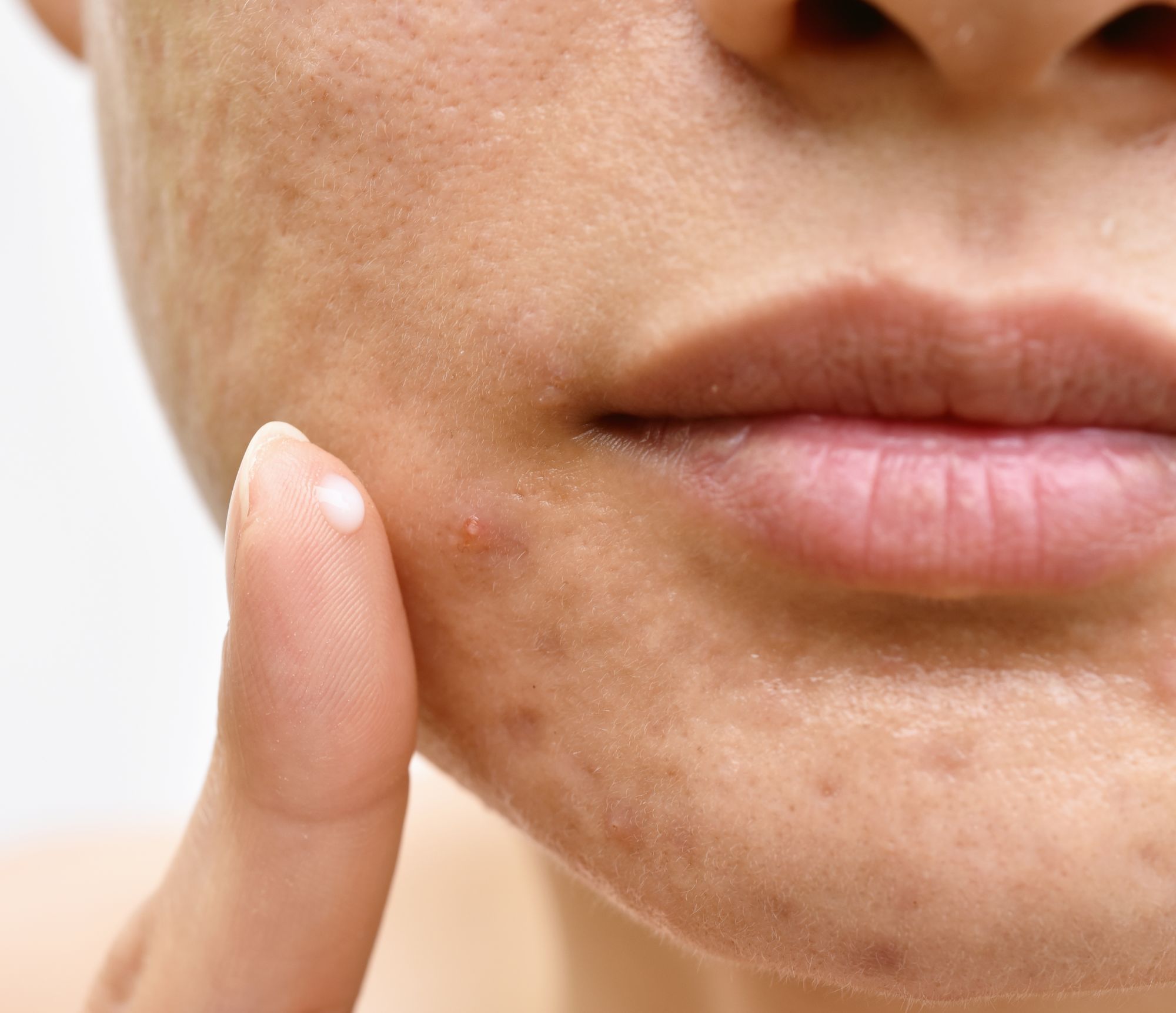

There may be many different reasons behind persistent acne. Some of these are those:
The effect of hormones on acne
Hormones play an important role in acne formation. When hormone levels change during puberty, oil production in the skin increases, which can lead to acne formation. However, some people may have acne problems even though their hormone levels are normal. In this case, hormonal imbalances or hormonal disorders may occur. It may be caused by health problems such as hormonal disorders, thyroid problems, or polycystic ovary syndrome.
Nutrition and acne
Eating habits are thought to have an impact on acne. It is known that especially fatty and processed foods can trigger acne formation. However, everyone's bodies may react differently, so it's important to review your eating habits and identify foods that may affect acne formation. For some people, dairy products or sugary foods may cause acne, while for others the effects may be different.
Skin care products and acne
Skin care products can affect acne formation. Especially products with oily or comedogenic (pore-clogging) ingredients can trigger acne formation. Also, for some people, some skin care products can cause allergic reactions or skin irritation. Therefore, it is important to use products that suit your skin type and sensitivity.
Environmental factors and acne
Environmental factors may also play a role in acne formation. Factors such as dirty air, air pollution, humid or hot weather, stressful environments and excessive sweating can trigger acne formation. The effect of environmental factors may be more pronounced, especially in people with sensitive skin types. Therefore, it is important to make sure to stay in a clean environment, reduce stress, and cleanse your skin properly.
Genetic predisposition to acne
Genetic predisposition to acne may be another reason for persistent acne. If someone in your family has acne problems, your chances of having acne problems may increase. Genes can affect your skin type, oil production, and acne formation. In this case, you may need to be more careful and attentive to solve the acne problem.
Medical conditions that cause acne
Some medical conditions can contribute to acne. For example, hormonal disorders such as polycystic ovary syndrome can cause acne. Additionally, corticosteroid medications, anticonvulsants, or some antidepressants can also cause acne. If you have persistent acne and there is a suspicion of an underlying health problem, it is important to consult a doctor.
Lifestyle factors and acne
Lifestyle factors can also affect acne formation. Stress, irregular sleep, smoking or excessive alcohol consumption can trigger acne formation. In addition, inadequate hygiene or excessive skin cleansing can disrupt the oil balance in the skin and increase acne formation. Adopting a healthy lifestyle, getting regular sleep, avoiding stress and maintaining good skin hygiene can help alleviate acne problems.
Persistent acne treatment options
There are many treatment options to deal with persistent acne. These treatments may include oral medications, topical treatments, laser therapy, and hormone therapy. The treatment option may vary depending on the type of acne, skin type, and underlying causes. It is important to consult your dermatologist and determine the most suitable treatment method for you.
Tips to prevent persistent acne
Here are some tips to prevent persistent acne:
Cleanse and moisturize your skin properly.
Avoid products with oily and comedogenic ingredients.
Pay attention to your diet and stay away from foods that can cause acne.
Try to avoid stress and get regular sleep.
Adopt a healthy lifestyle and don't smoke.
Add regular exfoliation to your skin care routine.
Use appropriate make-up products and don't forget to remove your make-up.
 Call
Call
 Whatsapp