


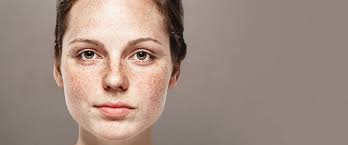

Causes of Skin Spots
Spots on the skin can be caused by many different things, and each type of spot can be the result of different reactions from the skin. The formation of skin spots is shaped by many factors, including environmental factors, genetic predisposition, and lifestyle. In this article, we will take a look at the common causes of skin spots.
Sunlight and UV Rays
Sunlight exposure is one of the most common causes of skin spots. UV rays stimulate the pigment cells in the skin (melanocytes) and cause excess melanin production. Over time, these melanin deposits appear as brown or black spots on the skin. These types of spots are often known as "sun spots" or "age spots." Excessive exposure to sunlight accelerates skin aging and can increase the risk of skin cancer.
Hormonal Changes
Hormonal changes are another important cause of skin spots. Especially pregnancy, use of birth control pills or hormonal changes during menopause can cause spots called "melasma" to form on the skin. Melasma usually becomes more visible in women on the upper face, in areas such as the cheeks, forehead and chin. These spots are usually brown or gray and occur due to fluctuations in hormone levels.
Acne and Acne Scars
Even if acne and acne are treated, they can leave permanent marks on the healing skin. These marks can lead to pigment changes over time as they damage the tissues in the deep layers of the skin. Acne spots can be seen as darker or red spots on the skin in particular. In addition, behaviors such as squeezing acne can also cause these marks to become permanent.
Genetic Factors
Some people are genetically more prone to spots on the skin. People with family members who have skin spots have a higher risk of similar spots due to genetic predisposition. For example, some congenital skin diseases can cause spots to appear.
Drugs and Chemicals
Some drugs can cause spots to appear on the skin. In particular, some antibiotics, birth control pills, hormone treatments and drugs used in cancer treatment can increase the sensitivity of the skin. This can cause pigment changes on the skin, especially when exposed to the sun. Similarly, contact with some chemicals can cause chemical reactions on the skin and cause spots to appear.
Aging and Skin Aging
As we age, the skin becomes thinner and more fragile, loses elasticity and melanin production changes. This can cause age spots (lentigo) to appear, especially in areas exposed to sunlight. Such spots are usually more visible in areas exposed to the sun, such as the hands, face and shoulders. With aging, the skin's pigment production becomes unbalanced, which leads to skin color changes.
Skin Wounds and Traumas
After any injury, burn, scratch or surgical intervention on the skin, pigment changes may occur as the wound heals. During the healing of these traumas on the skin, dark-colored marks (hyperpigmentation) or light-colored marks (hypopigmentation) may form. Such marks may turn into spots on the skin over time.
Skin Type and Climatic Conditions
Your skin type can also affect the formation of spots. Especially in dark-skinned individuals, the skin may be more sensitive to the sun and pigment changes may occur more quickly. In addition, climate conditions can also increase the frequency of spots on the skin. In hot and humid areas, the skin may sweat more and inflammation may occur as a result of contact with bacteria, which can lead to the formation of acne and spots.
In Conclusion
There may be many different reasons for the formation of skin spots. Sunlight, hormonal changes, genetic factors, drug use and skin traumas are among the most common causes. Early diagnosis and application of the right treatment methods are very important for the treatment of skin spots. Dermatologists and aestheticians can determine the type and cause of skin spots and offer the most appropriate treatment options.
 Call
Call
 Whatsapp