


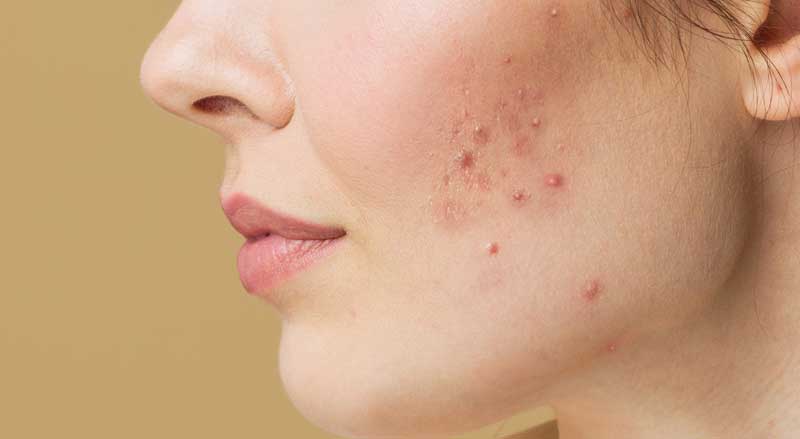

Cheek acne can be defined as a serious skin problem that occurs on the cheeks, one of the most sensitive areas of the face. These acnes, which are usually smaller and more dense than other areas of the face, can become a significant problem in terms of both appearance and discomfort. The formation of cheek acne is usually associated with various reasons such as hormonal imbalances, stress, improper skin care and environmental factors.
Causes of Cheek Acne
Many factors can play a role in the formation of cheek acne. The main ones are:
Hormonal Changes: Hormonal changes, especially during puberty or hormonal imbalances, can cause acne in the cheek area.
Stress: High stress levels can trigger acne by causing the body's stress hormones, cortisol and androgens, to be excessively secreted, triggering acne.
Wrong Skin Care: Wrong skin care habits such as inappropriate skin cleansing products, excessive use of makeup or excessive drying of the skin can also cause cheek acne.
Genetic Predisposition: Some people may experience more intense acne in the cheek area. This may be due to genetic factors.
Environmental Factors: Environmental factors such as pollution, sunlight, humid and hot weather conditions can also trigger the formation of cheek acne.
How Does Cheek Acne Form?
Cheek acne usually occurs as a result of follicle blockage and excessive oil gland function. The following process explains the formation of cheek acne:
Follicle Clogging: Dead skin cells, sebum (oil) and bacteria cause the follicles to become blocked.
Overactivity of Sebaceous Glands: The oil glands inside the clogged follicles begin to produce excessive amounts of sebum.
Bacteria Proliferation: The sebum accumulated in the clogged follicles triggers the reproduction and multiplication of bacteria on the skin.
Inflammation Formation: The proliferation of bacteria leads to inflammation around the follicles.
Acne Formation: As a result of all these processes, acne occurs in the cheek area.
How is Cheek Acne Treated?
Various methods can be used in the treatment of cheek acne. These are mainly:
Topical Treatments:
Creams or gels containing drugs such as benzoyl peroxide, retinoids, antibiotics
Products containing ingredients such as salicylic acid, sulfur, zinc
Systemic Treatments:
Oral antibiotics
Hormone regulating drugs
Retinoids (such as Isotretinoin)
Surgical Treatments:
Laser treatment
Chemical peeling
Extraction (cleaning of acne)
Lifestyle Changes:
Stress management
Proper skin care
Regulating nutritional habits
Consult a specialist dermatologist immediately to learn more about your cheek acne and to learn the appropriate treatment options. It is important to get professional support to achieve healthy and beautiful skin.
 Call
Call
 Whatsapp