


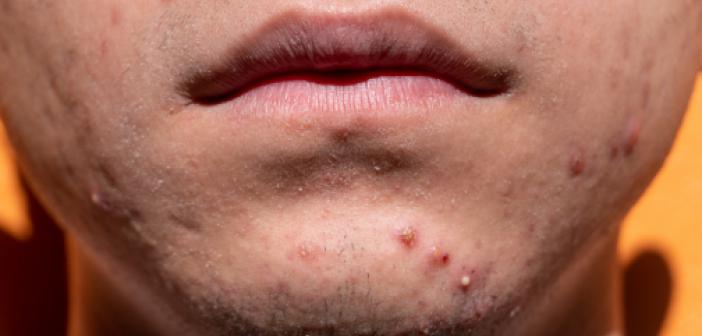

What is Chemical Peeling?
Chemical peeling is a treatment method applied to clean dead cells on the skin surface and ensure skin renewal. This method, which is also very effective in the treatment of acne scars, helps to eliminate color inequalities and blemishes on the skin. During the chemical peeling process, the chemicals applied to the skin peel the upper layers of the skin while revealing the healthy skin cells underneath. This process is especially preferred to reduce the appearance of acne scars.
The Effect of Chemical Peeling in the Treatment of Acne Scars
Acne scars usually occur as a result of swelling and inflammation under the skin. Chemical peeling acts on these scars and encourages new cell production in the skin. The peeling process eliminates damage to the upper layer of the skin and helps acne scars become less visible. With the renewal of the skin, the scars decrease over time and a smoother appearance is achieved.
The Application Process of Chemical Peeling
Chemical peeling is usually performed by dermatologists or aestheticians. The process can be performed with different chemical substances depending on the skin type and the depth of the scars. Substances such as AHA (Alpha Hydroxy Acid), TCA (Trichloroacetic Acid) are commonly used for peeling. Before the treatment, the skin is cleaned and prepared for the procedure. Then, the chemical solution is applied to the skin and cleaned after waiting a few minutes. There may be slight redness and peeling on the skin after the application, but this usually goes away within a few days.
Care After Chemical Peeling
Special care is required for the skin to heal after chemical peeling. Peeling may occur on the skin in the first few days and the skin becomes more sensitive. For this reason, it is recommended to avoid sun exposure and use high factor sunscreen. In addition, the skin should be moisturized and washing with extremely hot water should be avoided. In order for chemical peeling to be effective, it is important to take care of the skin after the procedure.
Risks and Side Effects of Chemical Peeling
Chemical peeling is generally a safe treatment method, but it may not be suitable for every skin type. Side effects such as allergic reactions, permanent skin color changes or risk of infection may be seen. Therefore, it is important to make a detailed evaluation with the doctor before the procedure and get information about your skin type. Symptoms such as excessive redness, swelling or peeling on the skin after the application are normal, but these symptoms should go away within a few days. If the symptoms persist for a long time, a specialist should be consulted.
Alternative Methods Related to Chemical Peeling
There are other treatment options for acne scars other than chemical peeling. Methods such as Dermapen, laser treatment and PRP (Platelet Rich Plasma) can also be effective in removing scars. While chemical peeling offers a suitable treatment option especially for superficial scars, different methods may be more effective for deep scars. Since each individual's skin structure is different, the most appropriate treatment method should be determined after personal evaluation.
In Conclusion
Chemical peeling stands out as an effective method in the treatment of acne scars. It reduces the appearance of scars by providing skin renewal and helps the skin to be smoother. However, it is important to consult a dermatologist or skin specialist to determine whether this treatment method is suitable for everyone. Paying attention to skin care during the treatment process is necessary to achieve the best results.
 Call
Call
 Whatsapp