


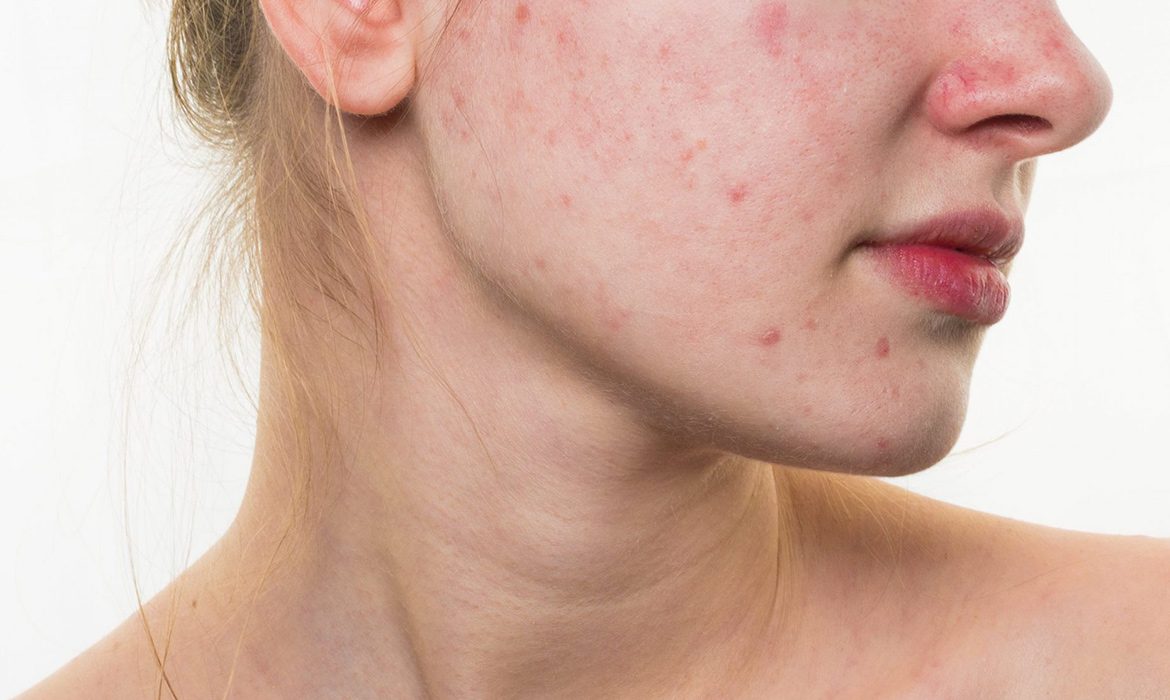

Why Is It More Common on the Chin and Cheeks?
The chin and cheek area are one of the facial areas most affected by hormonal changes. In particular, conditions such as puberty, premenstrual periods, pregnancy and stress activate the sebaceous glands in these areas. Increased oil production clogs the pores and paves the way for acne formation.
The Effect of Hormonal Imbalances
Pimples that appear in this area are usually hormonal in origin. In women, deep and painful pimples that appear on the jawline on days close to the menstrual cycle are an example of this situation. Hormonal disorders such as polycystic ovary syndrome (PCOS) can also cause acne on the chin and cheeks. In such cases, gynecological control may be required in addition to dermatological evaluation.
It May Be Related to Mask and Phone Use
Wearing a mask for a long time in daily life, constant contact of phone screens with the cheeks or frequently touching the face area can increase the accumulation of bacteria in this area. This can lead to more acne, especially on the cheeks. It is an important precaution to prefer cotton and clean products when using a mask and to clean the phone screen regularly.
Products That Are Not Suitable for Your Skin Type Can Cause Problems
Using the wrong cosmetic products can also cause acne on the chin and cheeks. Especially heavy foundations, silicone-based creams or moisturizers that block pores accelerate acne formation. Therefore, products that are suitable for your skin type and are non-comedogenic, that is, do not block pores, should be preferred.
Nutrition and Sleep Patterns Should Not Be Ignored
High glycemic index foods, excess dairy products, processed and packaged foods can also affect hormonal balance and cause acne in these areas. Similarly, irregular sleep can disrupt skin renewal and trigger inflammatory acne. Nutrition and sleep patterns should definitely be reviewed for healthy skin.
When Should You See a Specialist for Treatment?
A specialist should definitely be consulted if acne on the chin and cheeks recurs, leaves scars or is painful and deep. Such acne is not only superficial, but can also be a sign of an underlying hormonal or metabolic disorder. Early intervention prevents scarring and shortens the treatment process.
 Call
Call
 Whatsapp