


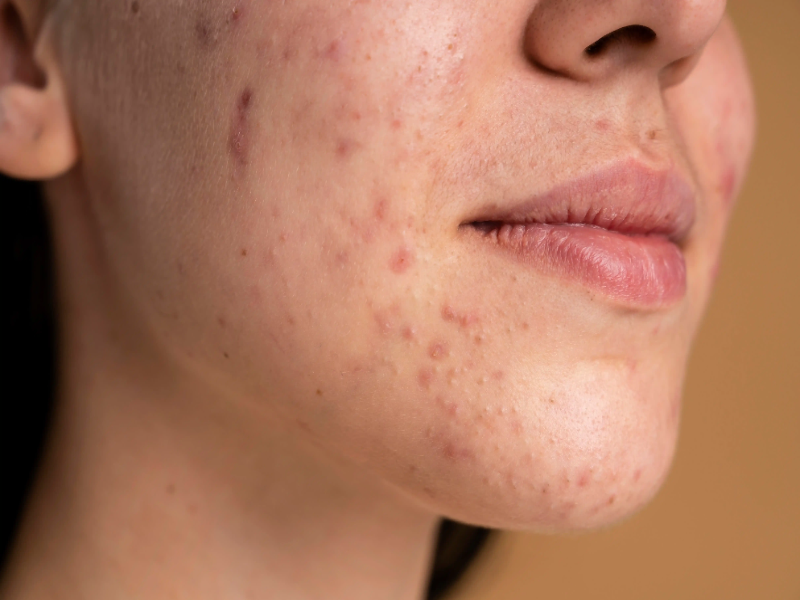

Acne scar treatment covers various treatment methods applied to reduce scars that occur after acne on the skin. This process usually includes various procedures recommended and performed by dermatologists. Acne scars may appear as depressions, dark spots, or red marks on the skin surface. The treatment process varies depending on the type and severity of the scars.
Acne scar treatment has gained importance due to aesthetic concerns. Smoothness and even tone on the skin are among the factors that increase individuals’ self-confidence. For this reason, many people research different treatment options to reduce acne scars. However, attempts made without accurate information and specialist guidance may prevent the expected results from being achieved.
Treatment options include methods such as laser treatments, chemical peels, microdermabrasion, and filler injections. Each method may be suitable for different skin types and scar types. For this reason, consulting a specialist before starting treatment is critically important for determining the most appropriate approach.
Common Misconceptions About Acne Scar Treatment
One of the most common misconceptions about acne scar treatment is the belief that scars will completely disappear after treatment. In reality, it may not always be possible for scars to disappear completely; however, their visibility can often be greatly reduced. Therefore, it is important to have realistic expectations before starting treatment.
Another common misconception is the idea that the same treatment can be applied to every skin type. Skin type, the type of scars, and the general condition of the skin play an important role in determining the treatment method. For example, aggressive treatments applied to people with sensitive skin may cause irritation. Therefore, creating a personalized treatment plan is essential.
Finally, neglecting post-treatment care is also a serious misconception. Protecting the skin after acne scar treatment is part of the recovery process. Sun protection, moisturizer use, and following dermatologist recommendations are very important for maintaining treatment results.
Causes and Formation Process of Acne Scars
The formation process of acne scars develops depending on the skin’s natural recovery mechanism. Acne occurs as a result of clogged skin pores, and this condition may cause inflammation over time. Inflamed acne can disrupt the collagen structure in the skin and lead to scar formation.
The causes of acne scars also include squeezing or popping acne. Such interventions may cause deeper damage to the skin and increase the persistence of scars. In addition, untreated acne or acne treated with incorrect methods may accelerate scar formation.
Genetic factors also play an important role in the formation of scars. Some individuals’ skin may be more prone to scarring compared to others. Therefore, people who have previously experienced acne scar problems are advised to approach the treatment process more carefully.
Acne Scar Treatment Methods
There are many methods for acne scar treatment, and each may be suitable for different skin types and scar types. One of the most common methods is laser treatment. Laser treatment renews the skin surface, reduces the appearance of scars, and supports collagen production. This method is generally preferred for deeper scars.
Chemical peels are another frequently used method. In this procedure, the uppermost layer of the skin is exfoliated with the help of a chemical solution, revealing a fresher-looking skin layer underneath. Chemical peels may provide effective results especially for superficial scars and spots.
Microdermabrasion is the process of gently exfoliating the upper layer of the skin and is generally used in the treatment of superficial scars. Filler injections may be effective in filling depressed scars. Each treatment method has advantages and limitations; therefore, it is important to consult a specialist to determine the most suitable option.
Things to Consider When Choosing the Right Treatment Method
There are several important factors to consider when choosing the right acne scar treatment method. First, an accurate evaluation should be made about your skin type and the type of scars. This evaluation will help determine the most suitable treatment method.
During the treatment process, the possible side effects and risks of the method used should also be considered. Each treatment method may cause different reactions on the skin. Therefore, it is important to have information about all possible outcomes and side effects before starting treatment.
Treatment costs are another factor to consider. Some treatment methods may be more costly than others. Therefore, it may be useful to determine the most suitable option by considering your budget. During consultations with specialists, it is recommended to get information about the overall cost of the treatment process.
Specialist Opinions and Treatment Recommendations
Specialists emphasize the importance of personalized approaches in acne scar treatment. Since each individual’s skin structure and scar condition are different, treatment plans should also be created individually. Dermatologists determine treatment methods suitable for your skin and existing scar types and help you achieve more appropriate results.
Care products and routines recommended by specialists during the treatment process also play an important role in treatment success. Especially in the post-treatment period, the right products should be used to support the skin’s recovery process. Specialists provide detailed information on this issue and help the process proceed smoothly.
Finally, another important point recommended by specialists is the need to be patient. Acne scar treatment is a process that takes time, and a certain period may be needed before results become visible. During this process, strictly following specialist recommendations and not missing regular checkups will support treatment success.
Most Common Mistakes in Acne Scar Treatment
One of the most common mistakes in acne scar treatment is interrupting the treatment process. After starting treatment, skipping sessions performed at regular intervals or neglecting post-treatment care may negatively affect the longevity of the results obtained. Therefore, it is important to follow the treatment plan.
Another common mistake is trying self-treatment based on incorrect information obtained from the internet. Products used unconsciously or methods applied at home may cause more damage to the skin. It should be remembered that acne scars require a professional approach, and specialists should be consulted.
Finally, having unrealistic expectations is also a common mistake. Every treatment method has certain limits, and completely eliminating scars may not always be possible. Therefore, it is important to develop realistic expectations during consultations with specialists before starting treatment.
 Call
Call
 Whatsapp