


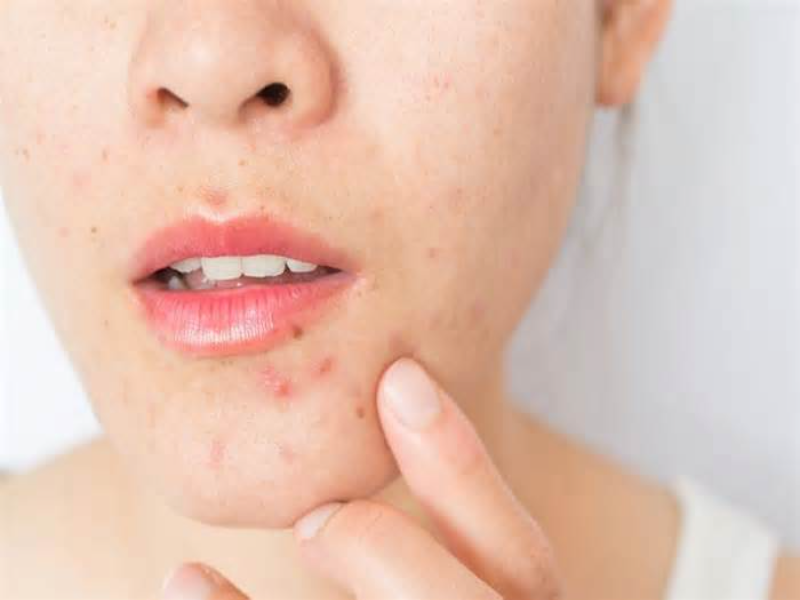

Acne scars are persistent skin changes that may develop after acne, which often begins during adolescence and can continue into adulthood. These scars form as the skin heals after inflammatory acne and may cause lasting changes in skin texture. For some individuals, their appearance may also lead to aesthetic concerns and affect self-confidence.
Acne-related changes can appear in different forms, including superficial textural irregularities, deeper atrophic scars, and raised scars. Post-inflammatory hyperpigmentation may also remain after acne, but it is a color change rather than a true acne scar. Each type requires a different treatment approach. Acne scar treatment includes procedures intended to reduce the visible appearance of these changes rather than guaranteeing their complete removal.
Genetic factors, skin characteristics, acne severity, and individual healing response may all influence scar development. Because every person's skin and scar pattern are different, treatment should be planned individually. Correctly identifying the type of scar and selecting an appropriate treatment method are therefore important parts of acne scar management.
Common Misconceptions About Acne Scar Treatment
Many people have misconceptions about acne scar treatment. For example, some believe that natural home remedies can completely eliminate scars. In reality, home-based approaches generally have limited effects on established structural acne scars and should not be considered substitutes for professionally planned treatment.
Another common misconception is that all acne scars can be treated with the same method. Different scar types may require different approaches. Chemical peels may be considered for certain superficial concerns, while deeper atrophic scars may require laser procedures, microneedling, subcision, punch techniques, or combinations of treatments. Ankara Laser applications may therefore be selected according to individual scar characteristics rather than using the same method for everyone.
The belief that aftercare is unimportant is also incorrect. Protecting the treated skin and using suitable products can support the recovery process and reduce unnecessary irritation. However, aftercare cannot guarantee permanent results, and its requirements depend on the procedure performed.
Acne Scar Treatment Methods
There are several different methods used for acne scar treatment. The choice of treatment depends on the scar type, condition of the skin, previous treatments, and individual expectations. Some commonly considered methods include:
- Laser Treatments: Selected laser procedures may create controlled effects in the skin and support remodeling of certain acne scars. Their suitability depends on scar type, skin tone, laser technology, and treatment settings.
- Chemical Peeling: Chemical solutions are applied in a controlled way to exfoliate selected layers of the skin. They may be useful for certain superficial pigmentation or mild texture concerns.
- Microdermabrasion: This method mechanically exfoliates the outermost layer of the skin. It may help with selected superficial texture concerns but is generally limited in its effect on deeper acne scars.
Each of these methods has different potential benefits, limitations, and side effects. Professional assessment can help select a more appropriate approach and reduce avoidable risks during treatment.
Misconceptions and Facts
One common misconception about acne scar treatment is that the most expensive treatment will always produce the best result. In reality, cost does not determine whether a procedure is appropriate for a particular scar type. Treatment outcomes depend on scar characteristics, skin type, the selected technique, treatment settings, and individual healing response.
Another misconception is that acne scars affect only the surface of the skin. Some atrophic scars involve changes extending into the dermis and may therefore require procedures that address deeper tissue structures. However, not every deep scar should automatically be treated with the same method.
Many people also expect immediate results after treatment. Skin remodeling takes time, and visible improvement may develop gradually over several weeks or months. The timing varies according to the procedure and individual response.
Methods Considered in Acne Scar Treatment
The effectiveness of Acne & Pimple Scar Treatments varies according to skin characteristics and the type and depth of the scars. Some approaches that may be considered include:
- PRP Treatment: Platelet-rich plasma is prepared from the individual's own blood and may be used alone or together with selected procedures. It may support certain regenerative processes, but its effectiveness in acne scars varies and results are not guaranteed.
- Moisturizing Skin Care: Maintaining appropriate hydration can support the skin barrier, particularly during recovery after a procedure. Moisturizing alone, however, does not directly correct structural acne scars.
- Collagen Supplements: Collagen-containing supplements are sometimes used for general skin support. However, they should not be presented as a proven method for directly or rapidly improving established acne scars.
Each approach has its own advantages, limitations, and suitability considerations. For this reason, professional evaluation before treatment can help create a plan based on individual scar characteristics.
What Should Be Considered During Acne Scar Treatment?
There are several factors to consider during acne scar treatment. Appropriate skin care before and after certain procedures can help support the skin barrier and reduce unnecessary irritation. The exact preparation required depends on the treatment being performed.
Sun protection is also important during many acne scar treatment processes. Ultraviolet exposure can contribute to post-inflammatory pigmentation, particularly when the skin is temporarily more sensitive after a procedure. Broad-spectrum sunscreen and additional sun-protection measures may therefore be recommended.
After treatment, maintaining appropriate hydration and using products suitable for recovering skin can support the healing process. These measures may improve comfort and skin barrier recovery, but they should not be considered a guarantee of better or permanent scar treatment results.
Results of Acne Scar Treatment
Results of acne scar treatment vary from person to person. Skin characteristics, scar type, scar depth, treatment method, and individual healing response can all influence the degree of improvement. With an appropriately selected treatment plan, the appearance of some scars may become noticeably less prominent.
The goal of treatment is generally to improve skin texture and reduce the visible appearance of scars. Complete restoration of the skin to its pre-acne appearance cannot always be expected. In some individuals, meaningful improvement may be achieved, while deeper or more complex scars may require combination treatment.
Long-term results depend on several factors rather than aftercare alone. Managing active acne, protecting the skin from excessive sun exposure, following appropriate aftercare, and maintaining realistic expectations can all support the overall treatment process.
 Call
Call
 Whatsapp