


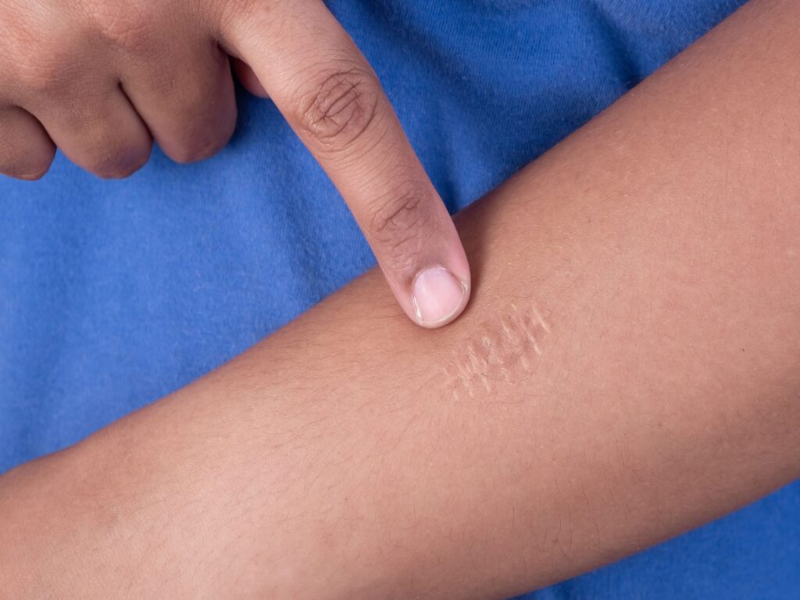

Cut Scar Treatment includes methods intended to reduce the visible appearance of scars that remain after cuts or other skin injuries. Treatment may influence scar color, texture, thickness, or surface irregularity, but complete disappearance is generally not guaranteed. The appropriate approach depends on how the original wound healed and what type of scar developed.
Scar formation is influenced by wound depth, inflammation, infection, mechanical tension, location, genetics, skin characteristics, and collagen remodeling. Scar / Wound Scar / Stretch Mark treatments therefore should not be described simply as methods that “regulate collagen,” because different scars have different biological features.
Different treatment options are currently available, including laser procedures, microneedling, injections, silicone-based products, surgery, and selected resurfacing methods. The appropriate choice depends on scar type and individual characteristics.
Common Misconceptions About Cut Scar Treatment
A common misconception is that cut scars can always be removed completely. In reality, treatment generally aims to make a scar less noticeable rather than erase it. Mature, deep, wide, raised, or tethered scars may require different approaches and may respond only partially.
Another misconception is that all scar treatments are painful. Discomfort varies according to the procedure. Some methods are minimally invasive and relatively well tolerated, while others may require topical or local anesthesia. Ankara Laser procedures should not be described as universally painless or as producing rapid results for everyone.
It is also incorrect to assume that every scar responds equally to the same treatment. Surgical scars, hypertrophic scars, keloids, depressed scars, traumatic scars, and stretch marks differ considerably. Professional medical assessment can help identify the scar type before treatment is selected.
Effects of Cut Scar Treatment
Appropriate treatment may improve selected features of a scar, such as color, thickness, texture, or contour. The amount of visible improvement varies between individuals. Any effect on confidence or quality of life is personal and cannot be guaranteed.
Recovery may involve temporary redness, swelling, dryness, sensitivity, or other reactions depending on the procedure. These effects are not always mild or short-lived, particularly after more intensive treatments. Treatment should not automatically be expected to make the skin younger.
Some people may notice early changes after one treatment, while others require several sessions or a combination approach. Response should therefore be assessed over time rather than promising visible results after the first session.
Cut Scar Treatment Methods
Some commonly considered methods include:
- Laser Treatment: Different laser technologies may target scar color, vascularity, thickness, or texture. Ankara Laser procedures can be useful for selected scars, but the degree of improvement varies.
- Microneedling: Microneedling is a minimally invasive procedure that creates controlled micro-injuries and stimulates a remodeling response. It may be useful for selected scar types.
- Chemical Peeling: Chemical peels may improve selected superficial pigmentation or texture concerns. They generally have a more limited role in deep structural scars.
Treatment should be selected according to scar type, skin phototype, medical history, and expected recovery.
What Should Be Considered During Cut Scar Treatment?
Professional evaluation is important before treatment. The clinician should identify whether the scar is flat, raised, depressed, symptomatic, immature, or mature and determine whether treatment is appropriate.
Skin care should be adapted to the treatment performed. Appropriate moisturization may support the skin barrier after selected procedures but does not directly accelerate all scar remodeling. Sun protection may help reduce post-inflammatory pigmentation but cannot guarantee prevention of scar-related color changes.
Patience is important because scar treatment often produces gradual change. Some individuals require several sessions, while others may benefit more from a different treatment method. Professional follow-up is useful for adjusting the plan.
Can Cut Scars Be Prevented?
Not every scar can be prevented, but appropriate wound care may reduce avoidable complications and support normal healing.
- Appropriate Wound Care: Cleaning, closure, dressing, and infection prevention should be managed according to the type and depth of the wound. Proper care supports healing but cannot guarantee that no scar will form.
- Appropriate Moist Wound Healing: Some wounds benefit from a medically appropriate moist-healing environment, but random cosmetic moisturizers should not be applied to open wounds unless suitable for that purpose.
- Sun Protection: Once medically appropriate, ultraviolet protection can help reduce excessive darkening of a healing scar, particularly in exposed areas.
These measures may support wound healing, but genetic factors, wound depth, tension, infection, and location can still influence scar formation.
Good Practices During Cut Scar Treatment
Several principles may support an appropriately managed treatment process:
- Follow-Up: Attending planned evaluations can help assess response and side effects.
- Home Care: Appropriate products may support barrier recovery after treatment but should not be expected to dramatically accelerate scar remodeling.
- Lifestyle: Balanced nutrition, adequate sleep, hydration, and general health habits support normal body function but are not substitutes for scar-specific treatment.
The most appropriate management depends on the individual scar rather than a universal routine.
Professional Views on Cut Scar Treatment
Professional scar management generally emphasizes individualized assessment because skin and scar characteristics differ considerably. Treatment planning should be based on scar type, symptoms, maturity, location, and individual risk factors.
Newer technologies have expanded treatment options, including different laser systems, but newer does not automatically mean more effective. Laser therapy can be useful in selected scars when the correct indication and device are chosen.
In conclusion, realistic expectations and appropriate assessment are important before beginning treatment. Scar improvement is possible in many cases, but complete removal and a specific degree of improvement cannot be guaranteed.
 Call
Call
 Whatsapp