


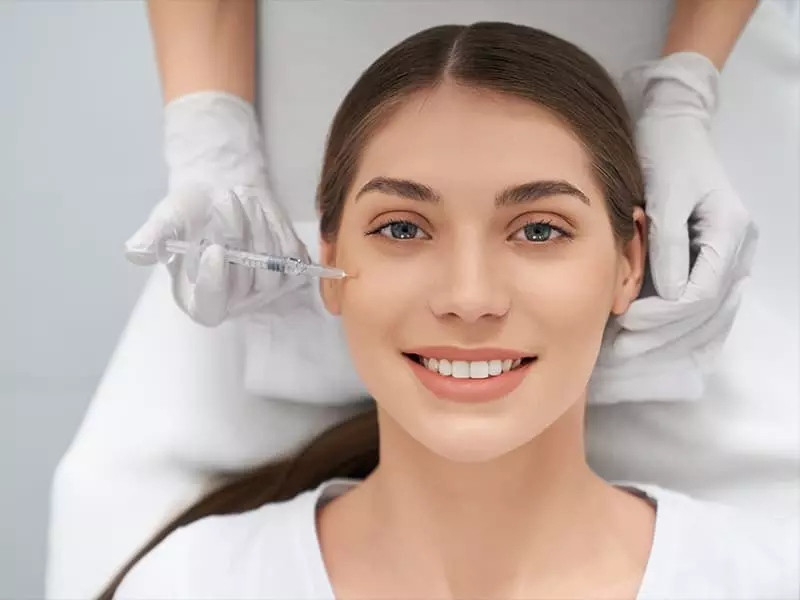

Pigmentation mesotherapy is one of the methods that may be considered to reduce the appearance of dark spots and differences in skin pigmentation. The procedure is based on administering different active ingredients into the skin through microinjections. Pigmentation mesotherapy aims to reduce visible colour differences and support a more balanced-looking complexion.
The ingredients used vary according to the treatment protocol and individual skin needs. Melanin is the pigment that determines skin colour, and its concentration in certain areas may create visible spots. Some ingredients used in mesotherapy may aim to reduce the appearance of pigment differences. However, the response depends on the ingredients and individual skin structure.
Pigmentation mesotherapy should not be regarded only as an aesthetic procedure; however, it cannot be assumed to improve general skin health with certainty. Reducing the appearance of pigmentation may support satisfaction with skin appearance for some people. Psychological and social effects vary between individuals.
Relationship Between Pigmentation Treatments and Mesotherapy
Pigmentation treatments may include chemical peeling, laser procedures, topical products and microdermabrasion. Mesotherapy is another option that may be considered for certain pigmentation concerns. Applying ingredients into the skin does not automatically mean that the procedure provides a deeper or more effective solution than other methods.
Pigmentation mesotherapy may be planned together with other methods in some cases. Whether mesotherapy should be combined with Ankara Lazer procedures depends on individual skin structure and pigmentation characteristics. Combined procedures cannot be guaranteed to provide faster or permanent results.
Redness, sensitivity, swelling, bruising, infection or allergic reactions related to the ingredients may occur after mesotherapy. Its side effects should therefore not always be assumed to be minimal. Suitability for sensitive skin should be determined following detailed assessment.
Benefits of Pigmentation Mesotherapy
Pigmentation mesotherapy may help reduce visible differences in skin colour and support a more balanced-looking complexion. The response varies according to the type of pigmentation, ingredients used and individual skin characteristics. It cannot be assumed to provide more permanent results than surface treatments.
Certain ingredients used in mesotherapy may help support the skin’s moisture balance and general appearance. However, improvements in elasticity, cell renewal or a visibly younger appearance are not the same for everyone. Results of pigmentation mesotherapy for fine lines or wrinkles also depend on individual characteristics.
Mesotherapy should not be expected to prevent new pigmentation with certainty. Existing spots may become noticeable again or new spots may develop because of sun exposure, hormonal changes and individual susceptibility. Regular sun protection and suitable skincare may help support the achieved appearance.
Pigmentation Mesotherapy Procedures With Ankara Lazer
Different centres in Ankara offer pigmentation mesotherapy and laser procedures. Combining mesotherapy with Ankara Lazer treatments may be considered for some people. However, it is inaccurate to state that laser only renews the skin surface while mesotherapy always provides a deeper effect.
Individual treatment plans may be prepared at centres in Ankara. Skin type, natural skin tone, the type of pigmentation and medical history should be considered when selecting a method. Combining laser treatment and mesotherapy should not automatically be considered ideal or safe for every persistent pigmentation concern.
The training of the practitioner and the contents of the products used are important. The suitability of devices and products and the hygiene conditions should be assessed. Individual protocols may help the procedure progress in a more controlled manner, but they do not guarantee improved results after every session.
Pigmentation Mesotherapy Procedure
Pigmentation mesotherapy may consist of one or more sessions. Session duration varies according to the size of the treatment area and the technique used. Skin type, pigmentation characteristics, sensitivity and medical history are first assessed to prepare a treatment plan.
The skin is cleansed before the procedure, and a topical anaesthetic cream may be used when considered necessary. Ingredients selected according to individual needs are then administered through microinjections. They may include vitamins, amino acids, hyaluronic acid, antioxidants or other active substances.
Stinging, burning or pain may be experienced during the procedure, and discomfort varies between individuals. Redness, swelling, sensitivity or bruising may occur afterwards. Changes in pigmentation and the required number of sessions should be determined according to the skin’s response.
Points to Consider After Pigmentation Mesotherapy
Protecting the skin from sunlight is important after pigmentation mesotherapy. The skin may become more sensitive, and intense sun exposure may contribute to pigmentation becoming darker. Broad-spectrum sunscreen suitable for the skin type may be recommended.
Temporary changes to the skincare routine may be required. Irritating, abrasive or strongly active products should be avoided for the period specified by the practitioner. The skin should be cleansed gently, and a suitable moisturiser should be used.
Balanced nutrition, sufficient fluid intake and regular sleep are important for general health. However, these habits cannot be assumed to prolong the effects of mesotherapy or prevent pigmentation from developing again. Sun protection and suitable skincare may play a more direct role in preserving the achieved appearance.
Frequently Asked Questions About Pigmentation Mesotherapy
Does pigmentation mesotherapy hurt?
Pigmentation mesotherapy cannot be described as completely painless. Topical anaesthetic cream may help reduce discomfort. However, stinging, burning or pain may occur during injections, and the sensation varies according to individual sensitivity.
Who may receive pigmentation mesotherapy?
Pigmentation mesotherapy may be considered for people with certain dark spots or differences in pigmentation, but it is not suitable for everyone with a pigmentation concern. Pregnancy, breastfeeding, active infection, allergy to the ingredients, bleeding disorders and certain skin or systemic conditions may affect suitability. A healthcare professional should assess individual eligibility.
How soon does pigmentation mesotherapy show an effect?
The time required to notice a response varies between individuals. Some people may notice a change after several sessions, while others may have a limited response. Treatment duration should be determined according to the characteristics of the pigmentation, the ingredients used and the skin’s response.
 Call
Call
 Whatsapp