


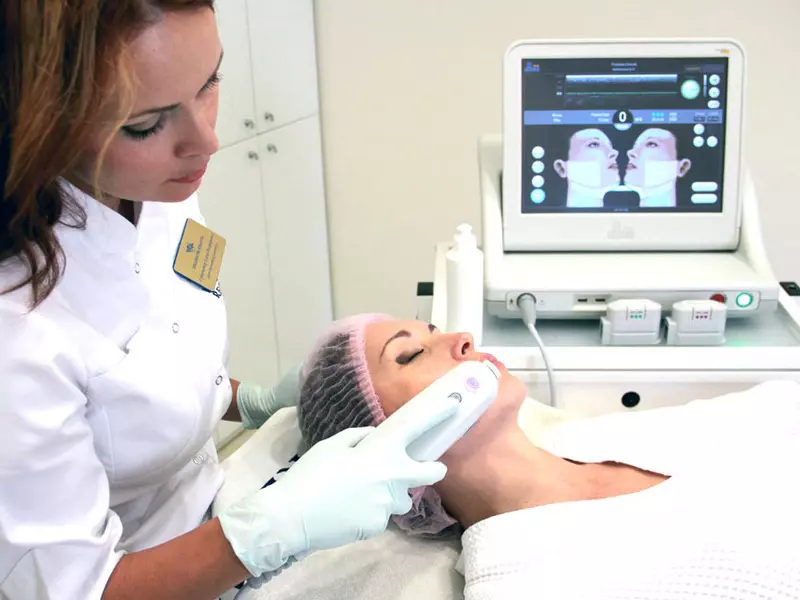

Skin pigmentation is a common concern that may affect appearance and cause discomfort for some individuals. Skin pigmentation treatment includes different methods intended to reduce the visible appearance of darker spots and uneven pigmentation rather than guaranteeing their complete removal.
These treatments may target pigmentation associated with factors such as sun exposure, hormonal changes, aging, inflammation, or other causes.
The treatment process varies according to skin type, the depth and type of pigmentation, and its underlying cause. Pigmentation Treatments may include chemical peels, laser procedures, topical products, and microdermabrasion.
Different treatments work through different mechanisms. Some may target pigment, while others exfoliate selected layers of the skin or support gradual improvement in skin texture and tone.
There are also many misconceptions about skin pigmentation treatment. Incorrect information may lead to unrealistic expectations or inappropriate treatment choices. For this reason, professional assessment and reliable information are important when planning treatment.
Common Misconceptions About Skin Pigmentation Treatment
There are several common misconceptions about pigmentation treatment.
One misconception is that skin spots occur only as a sign of aging. In reality, pigmentation changes can develop at different ages due to factors such as sun exposure, hormones, inflammation, genetics, and certain skin conditions.
Another misconception is that Peeling Pigmentation Treatment is suitable for every skin type. Chemical peels vary considerably in strength and formulation, and an inappropriate peel may cause irritation or contribute to further pigmentation in some individuals.
For this reason, the type and intensity of peeling should be selected according to skin characteristics and the pigmentation concern being treated.
Another common misconception is that all pigmentation can be completely removed. Treatment may significantly reduce the appearance of certain spots, but complete clearance is not always possible, and some pigmentation may recur.
Realistic expectations are therefore an important part of treatment planning.
Causes of Skin Pigmentation
Skin pigmentation can develop for many different reasons.
One of the most common contributing factors is prolonged ultraviolet exposure. UV radiation can stimulate melanin production and contribute to the development or darkening of pigmentation.
Hormonal changes may also contribute to certain types of pigmentation. Melasma, for example, may develop or become more noticeable during pregnancy or in association with hormonal medications.
Hormonal pigmentation does not always disappear completely when hormone levels change, so persistent pigmentation may require professional evaluation.
Aging and cumulative sun exposure can also contribute to pigmentation becoming more noticeable over time.
Skin Pigmentation Treatment Methods
Treatment methods vary according to the type of pigmentation, skin characteristics, and individual needs.
Selected Ankara Laser procedures may be considered for certain pigmentation concerns. Laser systems work by delivering controlled energy to specific targets within the skin.
However, laser treatment is not the most appropriate option for every type of pigmentation, and treatment selection should depend on professional assessment.
Chemical peeling involves controlled exfoliation of selected outer layers of the skin. It may help improve the appearance of certain superficial pigmentation concerns and uneven skin tone.
Microdermabrasion mechanically exfoliates the outermost layer of the skin and may be considered for selected superficial texture or pigmentation concerns.
Its effectiveness varies, and combining it with other treatments does not automatically guarantee better results.
Can Proper Skin Care Help Prevent Pigmentation?
A consistent skin care routine may help reduce some factors associated with pigmentation.
Regular sun protection is particularly important. Broad-spectrum sunscreen can help reduce ultraviolet exposure and may lower the risk of developing or worsening sun-related pigmentation.
Cleansing and moisturizing can also support general skin health and help maintain the skin barrier.
Antioxidant-containing skin care products may be included in some routines. Ingredients such as vitamin C or vitamin E may support overall skin care, but their effects vary and they should not be considered a guaranteed way to prevent pigmentation.
Product selection should depend on skin type, sensitivity, and individual treatment needs.
Common Mistakes During Skin Pigmentation Treatment
Several mistakes may negatively affect the treatment process.
One is neglecting appropriate skin care before and after professional procedures. Depending on the treatment performed, sun protection, gentle cleansing, and suitable moisturization may be important during recovery.
Another mistake is expecting immediate results.
Pigmentation treatment may require multiple sessions or long-term skin care, and the response varies from person to person.
Choosing products or procedures without professional guidance may also increase the likelihood of irritation or inappropriate treatment.
Because every pigmentation concern is different, individualized assessment can help determine which approach may be more suitable.
What Should Be Considered After Skin Pigmentation Treatment?
Appropriate aftercare is important following pigmentation treatment.
Excessive sun exposure should generally be avoided, and broad-spectrum sunscreen may be recommended according to the treatment performed and the individual's daily sun exposure.
Sun protection may help reduce the likelihood of new or recurrent pigmentation, although it cannot guarantee that no new spots will develop.
Gentle cleansers and moisturizers may help support the skin barrier during recovery.
Depending on the treatment, strong exfoliants, acids, retinoids, alcohol-based products, and other potentially irritating ingredients may need to be temporarily avoided.
Night creams, serums, or other active products should not automatically be restarted immediately after every procedure. The appropriate timing depends on the treatment performed and how the skin is healing.
Skin pigmentation treatment can improve the appearance of selected pigmentation concerns, but results vary according to the cause of the pigmentation, skin characteristics, treatment method, and ongoing sun exposure. Professional assessment and realistic expectations are therefore important throughout the treatment process.
 Call
Call
 Whatsapp