


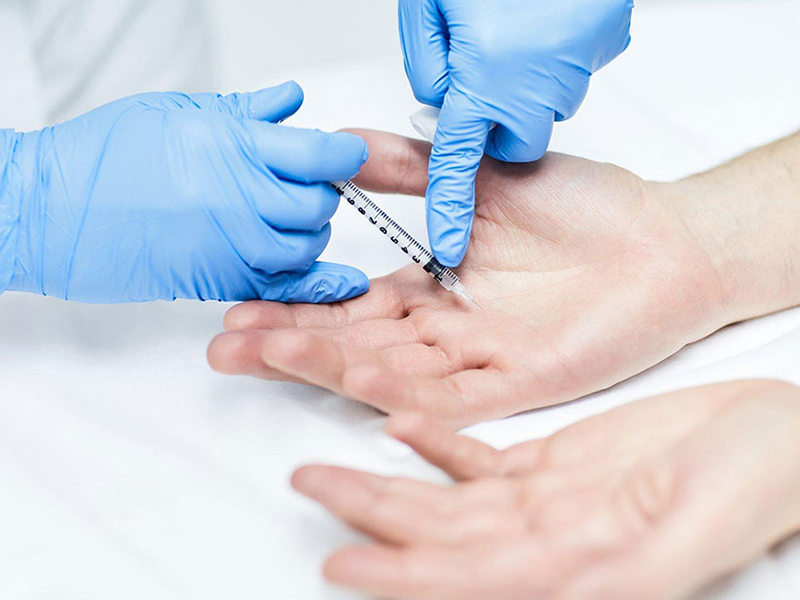

Botox treatment for excessive sweating is a medical procedure that is frequently discussed and often misunderstood. This article explains common misconceptions about sweating Botox and provides general information about the treatment of hyperhidrosis.
What Is Botox for Excessive Sweating?
Botox for excessive sweating is a treatment that may be considered for individuals with hyperhidrosis. Hyperhidrosis refers to sweating that exceeds the amount required for normal temperature regulation and may negatively affect daily life, social interactions and self-confidence.
Botulinum toxin temporarily reduces the nerve signals that activate sweat glands in the treated area. Small injections are placed within the skin across the affected region. The substance is not injected directly into each individual sweat gland.
The same active substance is also used in cosmetic botulinum toxin procedures. However, the aim in hyperhidrosis treatment is not to reduce wrinkles but to temporarily decrease excessive sweat production.
The procedure is commonly used for underarm sweating. It may also be considered for the palms, soles, scalp or selected facial areas after a medical assessment.
Potential Benefits of Sweating Botox
One potential benefit is that the effect may begin within several days after treatment. A more noticeable reduction in sweating may develop during the following one or two weeks.
The procedure does not require major surgery and is performed through multiple small injections. Many individuals experience limited interruption to their daily routine.
However, the treatment should not be described as completely risk-free. Possible reactions include discomfort, redness, bruising, swelling and temporary weakness in nearby muscles.
The effect is temporary. Its duration varies according to the individual, treatment area, dose, severity of sweating and previous treatment response.
Some individuals may experience relief for several months, while others may have a shorter or longer response. Repeat treatment may be considered when the effect gradually decreases.
How Is Sweating Botox Performed?
The procedure should be carried out by a legally authorised and appropriately trained medical professional.
The process begins with an assessment of the sweating pattern, affected areas, medical history and previous treatments. Secondary causes of sweating may need to be investigated, particularly when sweating begins suddenly, affects the entire body or occurs mainly at night.
Before treatment, the skin is cleaned. A topical anaesthetic cream, cooling method or another pain-reduction technique may be used, especially for sensitive areas such as the palms and soles.
Small amounts of botulinum toxin are injected at multiple points within the affected skin area. The duration of the procedure varies according to the size and location of the treatment area.
A fixed treatment time of 15 to 30 minutes does not apply to every individual.
Many people can resume routine daily activities after the procedure. However, temporary restrictions on strenuous exercise, intense heat exposure and pressure on the treated area may be recommended.
Follow-up may be planned to assess the response and determine whether further treatment is required.
Common Misconceptions About Sweating Botox
Myth: Botox Is Used Only for Cosmetic Purposes
Botulinum toxin has both cosmetic and medical applications. Treatment of excessive sweating is one of its medical uses.
It may also be used for selected neurological, muscular and pain-related conditions under appropriate specialist supervision.
Myth: Botulinum Toxin Is Always Dangerous
Botulinum toxin is a potent medical substance. When an authorised product is administered in an appropriate dose by a qualified professional, the procedure is generally well tolerated.
However, it is not completely free from risk.
Possible side effects include:
-
Pain
-
Redness
-
Bruising
-
Swelling
-
Headache
-
Temporary weakness in nearby muscles
-
Uneven treatment response
Rare but serious reactions are also possible. Safety depends on the product used, dose, injection technique, treatment area and the individual’s medical history.
Myth: Sweating Botox Provides a Permanent Solution
The effect of botulinum toxin is temporary. Nerve signalling gradually recovers, and sweating may return over time.
Repeat treatment may be considered, but permanent elimination of sweating should not be expected.
Myth: The Treatment Completely Stops the Body from Sweating
Treating a limited area does not usually stop the entire body from regulating temperature. Untreated sweat glands continue to function.
The goal is to reduce excessive local sweating rather than eliminate normal sweating throughout the body.
Large treatment areas and individuals with certain medical conditions require careful evaluation.
Myth: Sweating Automatically Moves to Another Area
Compensatory sweating is more strongly associated with surgical sympathectomy than with botulinum toxin injections.
Some individuals may notice sweating in other areas more clearly after treatment, but significant compensatory sweating is not considered a routine result of sweating Botox.
How Long Does the Effect Last?
The effect generally begins gradually rather than immediately. A reduction in sweating may become noticeable within several days, with further improvement during the first two weeks.
The duration varies from person to person and between treatment areas.
Although several months of benefit may occur, a standard effect of six to twelve months cannot be guaranteed for every individual.
Factors that may affect the duration include:
-
Treatment area
-
Administered dose
-
Severity of sweating
-
Individual metabolism
-
Previous response
-
Injection technique
Following aftercare instructions supports a controlled recovery process. However, avoiding exercise or massage does not necessarily make the medical effect last longer.
Who May Be a Suitable Candidate?
The treatment may be considered for individuals whose localised excessive sweating interferes with daily activities and has not responded adequately to simpler measures.
Common treatment areas include:
-
Underarms
-
Palms
-
Soles
-
Scalp
-
Selected facial regions
Before treatment, the possibility of secondary hyperhidrosis should be evaluated.
Excessive sweating may be related to:
-
Medication use
-
Thyroid disorders
-
Hormonal changes
-
Infections
-
Low blood sugar
-
Neurological conditions
-
Other medical problems
The procedure may not be appropriate for every individual.
Additional caution or postponement may be required in the presence of:
-
Pregnancy or breastfeeding
-
Active infection in the treatment area
-
Certain neuromuscular disorders
-
Previous serious reaction to botulinum toxin
-
Significant swallowing or breathing problems
-
Use of medication that affects nerve or muscle function
Pregnancy and breastfeeding are generally approached cautiously because safety information is limited. Individual medical assessment is required.
Before and After Sweating Botox
Before Treatment
The practitioner should be informed about all medications, supplements, allergies and previous botulinum toxin treatments.
Prescription blood-thinning medication must not be stopped without approval from the physician who prescribed it. Unsupervised discontinuation may create serious health risks.
Alcohol and certain non-prescription products may increase bruising in some individuals. Any change should be discussed with the practitioner rather than made automatically.
The treatment area should be free from active infection, open wounds and significant irritation.
After Treatment
The practitioner may recommend temporarily avoiding:
-
Rubbing or massaging the treated area
-
Strenuous exercise
-
Saunas and steam rooms
-
Very hot baths or showers
-
Intense heat exposure
-
Activities that cause heavy sweating
The duration of these restrictions varies according to the treatment area and the practitioner’s protocol.
Temporary redness, tenderness, swelling or bruising may occur.
After palm treatment, short-term weakness in gripping may develop in some individuals.
Breathing difficulty, swallowing problems, widespread weakness, severe allergic symptoms or significant unexpected reactions require urgent medical attention.
Frequently Asked Questions
Is Sweating Botox Painful?
Multiple small injections may cause brief stinging or discomfort.
Sensitivity may be greater in the palms and soles. Topical anaesthetic cream, cooling or other comfort measures may be used.
The procedure may not be completely painless for every individual.
How Long Does the Effect Last?
The duration varies.
Some individuals experience a reduction in sweating for several months, while others may have a shorter or longer response.
Repeat treatment should be based on the return of symptoms and medical evaluation.
Are There Side Effects?
Possible side effects include:
-
Temporary redness
-
Swelling
-
Bruising
-
Tenderness
-
Headache
-
Temporary muscle weakness
-
Uneven treatment response
Serious complications are uncommon but possible. The individual should receive clear information about warning signs before treatment.
Can Everyone Have Sweating Botox?
No. The procedure may not be appropriate for every individual.
Medical history, current medication, pregnancy or breastfeeding, neuromuscular conditions, active infection and previous reactions should be reviewed before treatment.
How Much Does Sweating Botox Cost?
The cost may vary according to the treatment area, required dose, product used and healthcare provider.
A medical assessment is generally required before an accurate treatment plan and price can be provided.
Ankara Laser or another qualified provider should explain the proposed product, dose, expected effect, possible risks and total cost before the procedure.
In conclusion, sweating Botox may provide temporary relief for selected individuals with localised hyperhidrosis. It is not a permanent or completely risk-free treatment, and its effectiveness varies between individuals. Appropriate diagnosis, professional application and realistic expectations are essential.
 Call
Call
 Whatsapp