


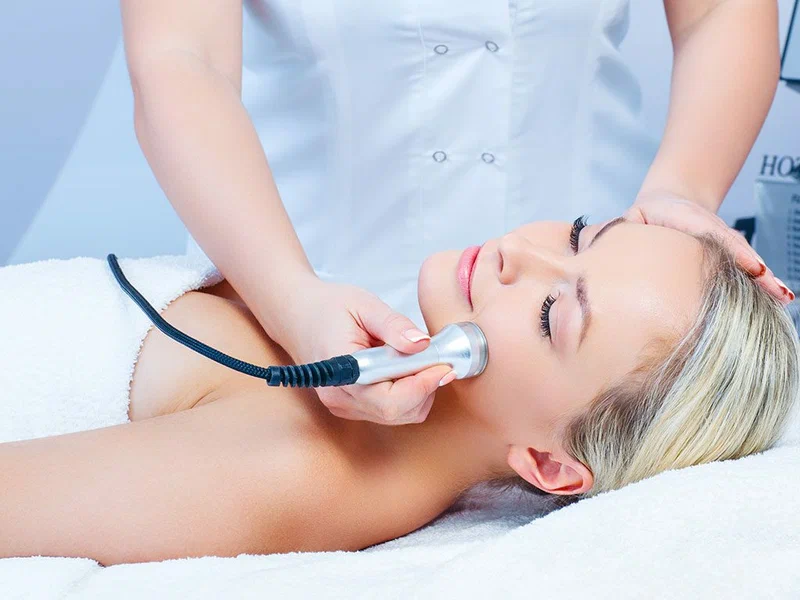

Visible capillaries and small superficial blood vessels may appear on the face, legs or other parts of the body. They may be primarily a cosmetic concern, although some leg veins can be associated with an underlying vascular condition.
Laser treatment is one possible method for reducing the appearance of selected visible vessels. However, its suitability, effectiveness and risk profile vary according to the vessel type, treatment area, skin tone and device used.
What Is Laser Treatment for Visible Capillaries?
Laser treatment uses a selected wavelength of light to target haemoglobin within a visible blood vessel.
The absorbed energy heats the vessel and may cause it to close. Over time, the treated vessel may become less visible as the body gradually clears it.
The purpose of treatment is to reduce the appearance of selected vessels. Complete or permanent removal of every visible vessel cannot be guaranteed.
Laser treatment may be considered for:
-
Small red facial vessels
-
Selected blue or purple superficial vessels
-
Diffuse facial redness
-
Certain vessels associated with rosacea
-
Selected superficial leg vessels
-
Other suitable vascular lesions
Different vessels require different technologies. A laser used for fine red vessels around the nose may not be suitable for larger veins on the legs.
Myth: Laser Treatment Completely Destroys Every Vessel
Laser treatment does not guarantee that every visible vessel will disappear.
Some vessels may close and become significantly less noticeable, while others may respond only partially.
Several factors affect the result:
-
Vessel colour
-
Vessel diameter
-
Vessel depth
-
Blood flow
-
Treatment area
-
Natural skin tone
-
Device wavelength
-
Energy and pulse settings
-
Individual healing response
New vessels may also appear over time, even when previously treated vessels remain less visible.
Myth: The Procedure Is Completely Painless
Laser treatment may cause a brief stinging, snapping, warming or burning sensation.
The level of discomfort varies according to:
-
Device type
-
Treatment area
-
Vessel size
-
Energy setting
-
Cooling system
-
Individual pain sensitivity
Some devices include cooling to improve comfort and protect the skin.
Anaesthetic cream may occasionally be considered, although it is not appropriate or necessary for every vascular procedure.
The treatment should not be described as painless for everyone.
Myth: Laser Affects Only the Vessel and Cannot Harm the Skin
Modern vascular devices are designed to target blood vessels while limiting unnecessary heating of surrounding tissue.
However, surrounding skin still absorbs some energy, and complications remain possible.
Potential side effects include:
-
Redness
-
Swelling
-
Tenderness
-
Bruising
-
Temporary darkening of the vessel
-
Crusting
-
Blistering
-
Burns
-
Temporary or persistent pigment changes
-
Scarring in uncommon cases
Correct device selection and carefully adjusted settings reduce risk but cannot eliminate it completely.
Potential Advantages of Laser Treatment
Laser treatment is non-surgical and does not require incisions.
Potential advantages in suitable individuals may include:
-
Treatment of small facial vessels
-
Precise targeting of selected vascular structures
-
Ability to treat limited or difficult-to-inject areas
-
Relatively brief appointments for small regions
-
Limited interruption to routine activities in many cases
These advantages do not apply equally to every vessel or every individual.
Larger leg veins may respond better to sclerotherapy or another vascular procedure.
Myth: Laser Treatment Always Produces Fast Results
Some vessels may appear lighter shortly after treatment, but final improvement is not always immediate.
A treated vessel may temporarily:
-
Look darker
-
Swell
-
Become more visible
-
Develop mild crusting
-
Fade gradually over several weeks
Some individuals require more than one session.
A fixed result after one treatment should not be promised.
Myth: No Recovery Period Is Required
Many individuals can continue light daily activities after treatment, but temporary redness, swelling, bruising or sensitivity may occur.
Recovery depends on the device, energy level and size of the treated area.
The practitioner may recommend temporarily avoiding:
-
Strenuous exercise
-
Saunas and steam rooms
-
Very hot showers or baths
-
Direct sun exposure
-
Rubbing or scratching
-
Irritating skincare products
-
Swimming until the skin has recovered
The required restrictions should be personalised.
Myth: Laser Treatment Never Leaves a Mark
Permanent scarring is uncommon when an appropriate device is used correctly, but it is still a possible complication.
The risk may increase with:
-
Excessive energy
-
Inappropriate wavelength
-
Recent tanning
-
Darker skin tones
-
Incorrect aftercare
-
Picking at crusts
-
Infection
-
Abnormal wound healing
Temporary redness, bruising or colour change is more common than permanent scarring.
Any worsening pain, blistering, discharge or persistent colour change should be reported to the practitioner.
Myth: Laser Is Suitable Only for Fair Skin
Fair skin may provide greater contrast between the vessel and surrounding pigment for some devices, but this does not mean that darker skin tones can never be treated.
Individuals with darker skin may have a higher risk of burns and post-inflammatory pigmentation because melanin also absorbs light energy.
Treatment may still be possible with:
-
An appropriate wavelength
-
Conservative energy settings
-
Suitable pulse duration
-
Effective cooling
-
An experienced practitioner
-
Careful test treatment when appropriate
Suitability should be determined individually.
How Is the Procedure Performed?
Before treatment, the practitioner should assess the visible vessels and the surrounding skin.
The evaluation may include:
-
Vessel colour
-
Vessel diameter
-
Vessel depth
-
Treatment location
-
Skin tone
-
Recent sun exposure
-
Previous treatments
-
Medication use
-
Tendency to develop pigmentation
-
Symptoms suggesting an underlying vascular problem
Protective eyewear is used during laser procedures.
The device is then applied to selected vessels using settings appropriate for the treatment area and skin characteristics.
The duration varies according to the number of vessels and the size of the region. A universal treatment time of 15 to 30 minutes does not apply to every patient.
Facial Vessels and Leg Veins Are Different
Small facial vessels are often treated with vascular laser or intense pulsed light.
Leg veins may require a different approach because they can be larger, deeper and connected to an underlying venous problem.
Sclerotherapy may be more appropriate for selected spider veins and small varicose veins on the legs.
Leg veins accompanied by the following symptoms may require vascular evaluation:
-
Pain
-
Swelling
-
Heaviness
-
Night cramps
-
Skin discolouration
-
Warmth or redness
-
Non-healing wounds
-
Increasing prominence of veins
Treating a visible vessel does not necessarily treat underlying venous insufficiency.
Does Laser Treatment Improve Vascular Health?
The primary purpose of cosmetic laser treatment is usually to reduce the appearance of visible vessels.
It should not automatically be described as improving general vascular health.
When a visible vessel is associated with rosacea, venous insufficiency or another medical condition, the underlying problem may require separate management.
Treating only the visible vessel may provide temporary or limited improvement if the contributing condition remains active.
Aftercare
Sun Protection
Sun protection may help reduce the risk of pigment changes after treatment.
Broad-spectrum sunscreen, hats and shade may be recommended when the treated area is exposed.
Sunscreen supports recovery but does not guarantee permanent results.
Gentle Skincare
A mild cleanser and suitable moisturiser may be recommended.
Retinoids, exfoliating acids, scrubs and fragranced products may need to be paused until the skin has recovered.
Avoiding Heat
Very hot showers, saunas, steam rooms and intense exercise may temporarily increase redness and swelling.
The duration of these restrictions depends on the treatment.
Avoiding Trauma
The treated area should not be rubbed, scratched or picked.
Crusts should be allowed to separate naturally.
Who May Not Be Suitable for Treatment?
Treatment may need to be postponed or modified in the presence of:
-
Active skin infection
-
Open wounds
-
Recent sunburn or tanning
-
Use of photosensitising medication
-
Uncontrolled inflammatory skin disease
-
Abnormal scarring tendency
-
Certain medical conditions
-
Pregnancy or breastfeeding, depending on the indication and device
Elective treatment during pregnancy or breastfeeding is often postponed because safety information may be limited.
Age alone does not determine suitability. Medical history, treatment indication and ability to follow aftercare instructions are more important.
Laser Treatment at Ankara Laser
Ankara Laser or another qualified medical provider should select the device according to the vessel characteristics and skin tone.
The consultation should explain:
-
Which device will be used
-
Why it is appropriate
-
Expected degree of improvement
-
Possible number of sessions
-
Possible side effects
-
Recovery instructions
-
Alternative treatments
-
Risk of recurrence or new vessels
The treatment should not be selected solely according to promotional claims or the general popularity of laser technology.
Frequently Asked Questions
How Many Sessions Are Required?
The required number of sessions varies.
Some small vessels may improve after one treatment, while others may require repeated sessions.
A standard range of two to four sessions cannot be guaranteed for every patient.
Does the Procedure Leave a Scar?
Permanent scarring is uncommon but possible.
Temporary redness, bruising, swelling, crusting and pigment changes are more frequent.
How Long Does the Procedure Take?
The duration depends on the number, location and size of the vessels.
Small areas may be treated quickly, while larger regions require more time.
Can Daily Activities Be Resumed Immediately?
Many individuals can continue routine activities, but visible redness, swelling or procedure-specific restrictions may temporarily affect exercise or social activities.
Are the Results Permanent?
A treated vessel that closes successfully may remain less visible for a long period.
However, not every vessel responds completely, and new vessels may develop because of genetics, sun exposure, rosacea, hormonal factors or venous disease.
Permanent clearance of all visible vessels cannot be promised.
Is Laser Better Than Sclerotherapy?
Neither treatment is universally better.
Laser may be more appropriate for selected facial or very small superficial vessels. Sclerotherapy may be preferred for suitable leg veins.
The correct method depends on the vessel type and treatment area.
In conclusion, laser treatment may reduce the appearance of selected visible capillaries, but it is not completely painless, risk-free or permanently effective for every individual. Appropriate device selection, careful assessment and realistic expectations are essential for safer treatment planning.
 Call
Call
 Whatsapp