


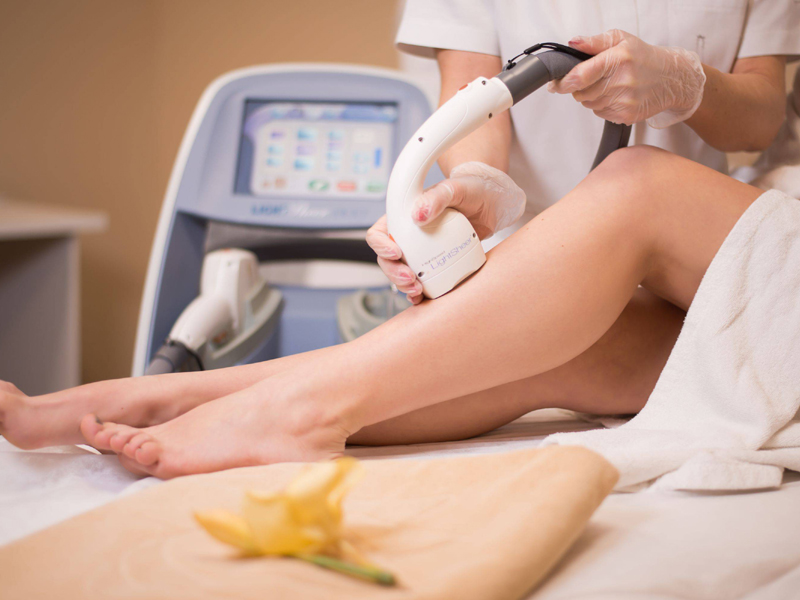

Completely eliminating hair is a topic that attracts the attention of many people. The desire to get rid of unwanted hair for aesthetic concerns or hygiene reasons has led to the development of various methods in this field. However, rather than the claim of permanently eliminating all hair, methods aimed at reducing or thinning hair are more common.
The issue of completely eliminating hair is generally associated with medical procedures. These processes may vary depending on personal preferences and needs. For example, factors such as hair density and color are important for some individuals. Therefore, it is important to seek expert advice to determine the most suitable method for each person.
In conclusion, instead of using the phrase completely eliminating hair, setting more realistic goals such as controlling hair or reducing it in certain areas may be more beneficial. In this process, modern techniques such as laser hair removal stand out.
Advantages of Laser Hair Removal
Laser hair removal is known as an effective way to get rid of unwanted hair. One of the biggest advantages of this method is that it focuses on targeted hair follicles and helps reduce hair over time. This technique can especially slow down the regrowth rate of hair.
Another advantage of laser hair removal is its ability to treat large areas quickly. For example, large regions such as the legs or back can be treated in a short time with laser epilation. In addition, this method generally provides a less painful experience, which makes it preferable for many people.
Finally, although laser epilation does not promise permanent results, its ability to provide long-term smoothness makes it an attractive option. The extended regrowth time allows users to maintain their daily routines more comfortably.
Working Principle of Laser Hair Removal
Laser hair removal is performed using targeted laser beams directed at hair follicles. These beams target the pigment in the follicles, causing damage to the roots. In this way, the regrowth process of hair is slowed down or thinned. This method may be especially effective on darker hair.
The effectiveness of this method depends on the type of laser device and its settings. Different laser devices are used for different skin types and hair colors. Therefore, selecting devices suitable for the individual’s skin and hair characteristics is important. Specialists can offer customized treatment plans to achieve the best results for each individual.
The working principle of laser hair removal requires medical knowledge. Therefore, having the procedure performed by qualified professionals both increases effectiveness and ensures a safer experience. Professional services are provided in centers such as Ankara Life Polyclinic.
Laser Hair Removal Applications and Types
Laser hair removal applications are offered in various types depending on individual needs and hair structure. One of the most common laser types is Alexandrite laser, which may be more effective for individuals with fair skin and dark hair. This laser can provide fast results and is suitable for large areas.
Another commonly used laser type is Nd:YAG laser, which may offer better results for individuals with darker skin tones. This laser can penetrate deeper layers and is therefore a safer option for people with darker skin. It is also recommended especially for thick and dense hair.
Diode laser is another option that is generally effective for a wide range of skin types. Since this laser type has different wavelengths, it can be suitable for various hair and skin types. As with other laser types, this method should also be applied by specialists in a personalized manner.
Laser Hair Removal Processes and Session Durations
Laser hair removal processes usually consist of multiple sessions. Each session may take a different amount of time depending on the thickness, density, and color of the hair. The interval between sessions generally ranges from 4 to 6 weeks, during which the natural hair growth cycle is not disrupted.
Each session focuses on a specific area to reduce hair. During this process, the laser device settings are adjusted according to the individual’s skin and hair structure. After the first sessions, a visible reduction in hair may be noticed, but full results usually become apparent after several sessions.
Session durations vary depending on the treated area. Smaller areas, such as the upper lip or underarms, are usually completed in a shorter time, while larger areas like the legs may require more time. In all cases, session duration and number should be determined based on personal needs.
Post-Laser Hair Removal Care Tips
After laser hair removal, taking good care of your skin can increase the effectiveness of the treatment and minimize side effects. Mild redness or sensitivity may occur after the procedure, so it is important to protect your skin from the sun for the first few days. Using sunscreen can help prevent your skin from being affected by UV rays.
Keeping your skin moisturized is also important. Moisturizing creams can support the healing process and prevent dryness. Additionally, avoiding activities such as hot water exposure, sauna, or intense exercise for a few days after the procedure can help relax the skin and speed up recovery.
Finally, it is important to monitor any changes in your skin after laser hair removal. If you notice any unusual condition or discomfort, it is recommended to consult the specialist who performed the procedure. In this way, you can achieve both a safer and more effective result.
 Call
Call
 Whatsapp