


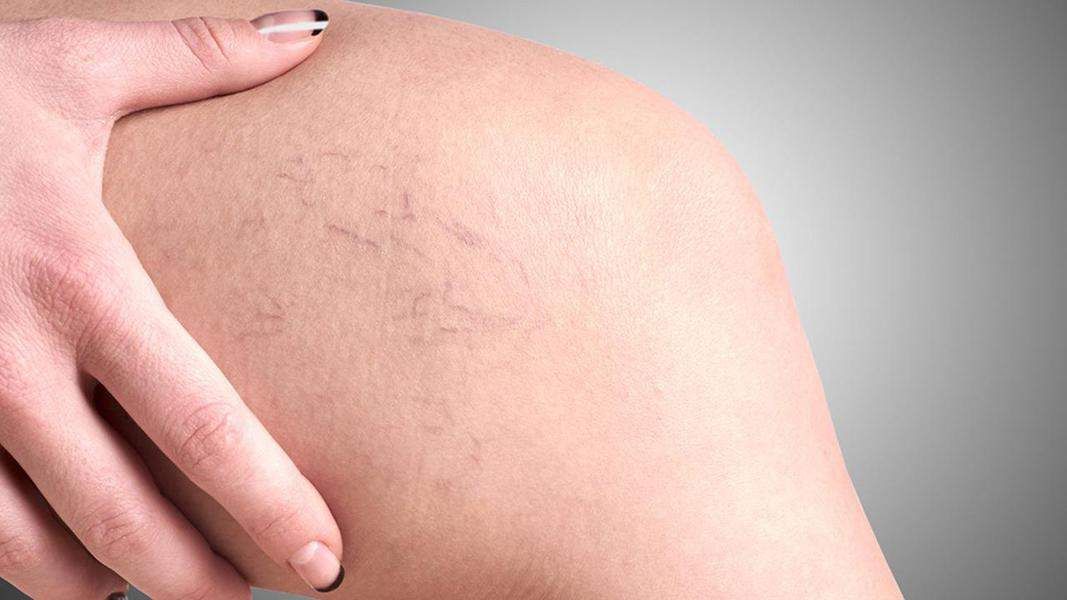

Spider web-like structures that can form in different parts of the body can be treated with stretch mark removal laser applications. In applications performed with Erbium-doped yttrium aluminum garnet laser, applications are performed without the need for anesthesia. Stretch mark laser treatments performed only with topical anesthetic ointments give very successful results. The 2,940 nm laser beam is strongly absorbed by water. In this way, laser cutting of the skin is prevented and scars do not occur. By opening micro channels in the skin, laser beams descend to the lower layers, thus eliminating stretch marks and stimulating collagen synthesis. This is effective in tightening the skin. Laser stretch mark treatment is highly preferred due to its short healing time.
How is Laser Stretch Mark Treatment Applied?
Erbium laser is mostly used in stretch mark removal laser treatment. It is very advantageous in treatments aimed at increasing collagen synthesis, with minimal side effects and a short recovery period. Stretch marks, which are mostly seen in women, occur on the abdomen, hips, back, arms, chest and shoulders. Although skin cracks that appear in thin and wavy shapes do not pose any medical danger, they disturb people aesthetically. The skin may expand for different reasons. If there is not enough stretch in the skin structure to handle this, cracks will appear. Collagen increases skin elasticity. Stretch mark laser treatment applied to the cracked area is treated with treatment sessions varying according to the structure of the skin and the depth of the cracks.
How to Treat Stretch Marks with Fractional Laser?
Fractional laser is also used in crack removal laser applications. There are three basic layers in the skin structure that need to be understood. The top layer contains melanocytes, which are responsible for skin color. These are color cells that produce pigment. The middle layer, which is the dermis layer, contains elastin and collagen fibers that provide toughness and elasticity to the skin. As the body ages, the appearance and properties of the skin may change. Stains may appear, especially with the thinning of the top layer. After laser skin crack treatments, thousands of small but deep treatment columns are added to the skin. Laser beams are given to these treatment columns of the section. The healing process is rapid after skin crack laser applications, which are completed in approximately 30 minutes. Particular attention should be paid to protecting the application area from sunlight.
 Call
Call
 Whatsapp