


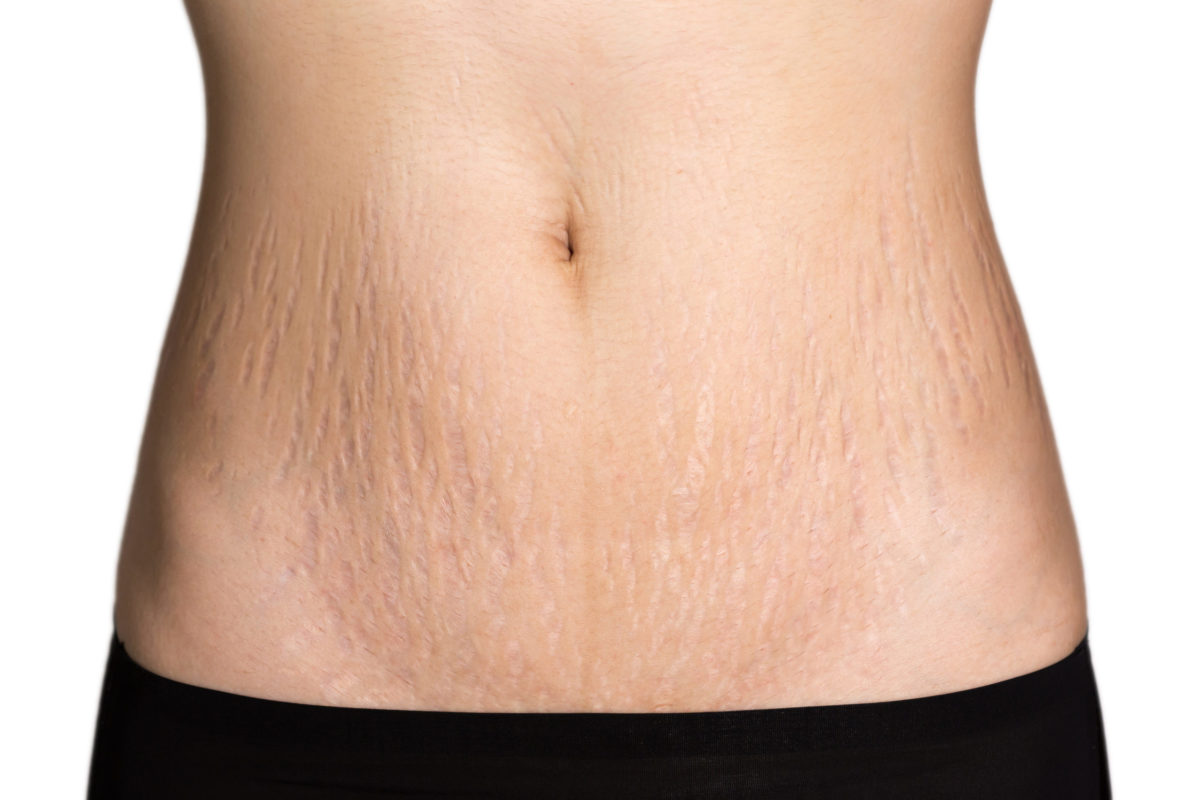

Crack removal treatment can be done successfully with laser methods. Particularly fractional laser provides very effective results in this field. Collagens are shortened and tightened with laser beams. The skin structure begins to renew itself with the production of elastic and collagen fibers. In this way, crack erasing can be done. Laser applications can be performed without the need for special preparation. Only skin cleansing should be done before application. Topical anesthetic cream can also be applied. In this way, laser procedures can be completed more comfortably. The high wavelength CO2 laser method helps peel the skin. In this way, laser crack treatment provides effective results. There are different treatment methods. However, laser applications are used to get fast and effective results.
Methods Used for Crack Deletion
There are many applications that can be done for crack removal treatment. The most popular of these include methods such as radiofrequency, laser method, chemical peeling, ultrasound and microdermabrasion. The most preferred system is the laser crack removal method. Laser is an effective system not only on the upper layer of the skin but also on its deeper layers. Therefore, it can be used in the treatment of many skin problems. With the laser treatment applied, the surrounding tissues of the skin are not damaged. Collagen production increases again. Thanks to new skin cells, the person's skin becomes more homogeneous and undamaged. Stretch mark removal laser treatment, which can be used on different skin types, can achieve targeted results in a total of 3 to 5 sessions.
Who Should Not Have Laser Crack Removal?
Fractional laser is the most preferred device for stretch mark removal treatment. This treatment can be applied by many people who do not have serious health problems. Laser stretch mark treatment, which is not recommended for those who are pregnant or who may be pregnant, is not recommended for herpes and cancer patients. It should not be preferred by people who are receiving isotretinoin treatment for their acne, unless 6 months have passed since the treatment. Using certain hormones or medications that may pose a risk may also be risky for laser treatments. Laser skin stretch mark treatment is not recommended for those using such medications. People planning treatment should have a skin analysis before the application and share information about such diseases and the medications they use with the specialist who will perform the application.
 Call
Call
 Whatsapp