


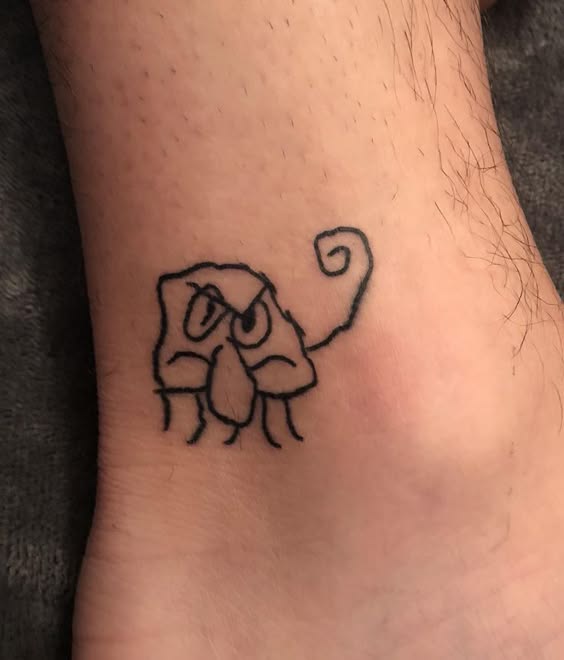

Laser tattoo removal is a safe and effective method that requires several sessions. It is necessary to wait 4-6 weeks between each session so that the skin can heal completely. There may be slight pain during the procedure, but this pain can be minimized with local anesthetics applied by an experienced doctor.
Laser tattoo removal may vary depending on the size, color and area of the tattoo. Deep or colored tattoos require more sessions, while small and light-colored tattoos can yield faster results. As a result, laser tattoo removal is a safe and effective method, and it is important that it is applied by a specialist doctor.
Laser Tattoo Removal Process
The laser tattoo removal process consists of the following steps:
Preliminary Assessment: First, your doctor will evaluate the characteristics of the tattoo (color, size, location, etc.) and offer you a suitable treatment plan. At this stage, your expectations and concerns are also taken into account.
Anesthesia Application: Local anesthesia is applied to the tattoo area, minimizing the pain and discomfort during the procedure.
Laser Application: A laser device with the appropriate wavelength is used to break down tattoo pigments. Laser beams are applied precisely to the tattoo area.
Healing Process: After the procedure, temporary effects such as redness, swelling and swelling may be observed in the tattoo area. These effects disappear within a few days. Your doctor will give you instructions to follow during the healing process.
Follow-up Appointments: Tattoo removal usually requires several sessions, usually 4-6 weeks apart. After each session, your doctor will evaluate the healing status and schedule the next appointment.
The laser tattoo removal process may vary from person to person. Factors such as the characteristics of the tattoo, skin type and body area can affect the treatment duration and results. An experienced doctor will determine the most appropriate treatment approach for you.
What is Laser Tattoo Removal Post-Cream and What Does It Do?
After laser tattoo removal, it is recommended to use a special care product called "laser tattoo removal post-cream" for the healing and renewal of the skin. This cream provides the following benefits:
Moisturizing: After laser tattoo removal, the skin can become dry and sensitive. Specially formulated laser tattoo removal cream deeply moisturizes the skin, supporting the relaxation and healing process.
Repair: While laser beams break down tattoo pigments, they can also cause slight damage to the skin. Laser tattoo removal cream helps repair this damage and renew the skin.
Infection Prevention: After the procedure, minor injuries in the tattoo area carry the risk of infection. Laser tattoo removal cream prevents infections thanks to its antiseptic properties.
Symptom Relief: The itching sensation that occurs during the laser tattoo removal process can be reduced with the application of the cream.
Fast Recovery: With its special content, laser tattoo removal cream helps the skin heal faster and regain its normal appearance.
Laser tattoo removal cream plays a very important role in the healing process after the procedure. Regular use of the product recommended by your doctor provides both comfort and a faster and healthier recovery.
Is Skin Care Important After Laser Tattoo Removal?
After laser tattoo removal, skin care is extremely important. The sensitivity and healing process in the tattoo area requires special care. Below you can find skin care recommendations that should be considered after laser tattoo removal:
Protection from Sunlight: After laser tattoo removal, the tattoo area is very sensitive to sunlight. Therefore, a high protection factor sunscreen should be used to protect the treatment area from the sun.
Moisturizers: The skin in the tattoo area may become dry and sensitive. Therefore, special moisturizers recommended by your doctor should be used regularly.
Antibiotic Creams: To reduce the risk of infection, antibiotic creams prescribed by your doctor should be applied to the treatment area if necessary.
Hygiene: The cleanliness and hygiene of the tattoo area is extremely important to reduce the risk of infection. Clean the area regularly, following your doctor's instructions.
Taking care of your skin after laser tattoo removal provides both comfort and a faster and healthier healing process. By communicating regularly with your doctor, you can determine the most appropriate care routine.
 Call
Call
 Whatsapp