



Cream Usage After Tattoo Removal: How to Protect Your Skin?
The tattoo removal process does not end with the application of laser beams. The most important process begins after the application. Because the skin's response to this intervention determines the success of the treatment as much as the procedure itself. One of the biggest helpers at this point is the use of the right cream. So, which creams should be preferred after the procedure? How often should they be used? What should be considered?
Why Does the Skin Need Care?
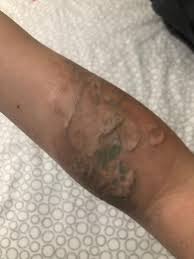
During the laser tattoo removal process, tattoo pigments are broken down from under the skin. This process causes micro-level damage to the skin. Redness, slight swelling, sensitivity and occasionally crusting or blisters may be seen. All of these are part of the skin's healing process. However, if the right products are not used to support the skin during this process, healing will slow down, the risk of scarring will increase and unwanted situations such as infection may be encountered.
Which Types of Cream Should Be Preferred?
The most commonly used cream groups after the procedure are moisturizing, barrier repair and antibacterial products. Since the natural protective layer on the skin is damaged during the procedure, this layer needs to be strengthened again.
1. Moisturizing Creams:
Softens the skin, reduces tension and contributes to the healing process. Fragrance-free, alcohol-free and sensitive skin products should be preferred.
2. Barrier Repair Creams (repairing balms):
Strengthens the skin's protective layer, making it more resistant to external factors. Products containing panthenol, madecassoside (centella asiatica) or zinc oxide are quite effective.
3. Antibacterial Ointments:
In some cases (for example, if there are blisters or open wounds), antibiotic creams can be used for a short time with a doctor's recommendation. However, such products should not be applied randomly, but only in cases of medical necessity and for a limited time.
Frequency and Duration of Application
Since the skin is more sensitive in the first few days after the procedure, moisturizing and repairing creams should be applied regularly 2-3 times a day. Hands should be washed before application and the cream should be applied gently without pressing on the skin. If crusting has started on the skin, special attention should be paid to these areas. Early removal of crusts increases the risk of scarring.
Although the healing process varies from person to person, the sensitivity on the skin surface usually decreases within 1-2 weeks. However, cream use should be continued until the skin is completely healed. Sun protection is a much longer-term precaution.
Is Using Sunscreen as Important as Using Sunscreen?
Using sunscreen is as critical as using cream after the procedure. Because treated skin is much more vulnerable to UV rays. Sun exposure can cause permanent stains and color changes in the area. For this reason, the treated area should be covered if possible, and if it is exposed, sunscreen with at least SPF 50 should definitely be used.
Conclusion
Supporting the skin properly after the tattoo removal procedure is of great importance for the healing process to be healthy and without scars. The choice of cream should not be random, but should be made according to the skin structure and the condition after the procedure. Remember, the laser only starts the removal of the tattoo; what completes it in a healthy way is the care you will show and the support you will give to your skin.
For a healthy recovery, do not neglect to use the products recommended by your doctor regularly and consciously. Your skin will more than reciprocate the care you will show.
 Call
Call
 Whatsapp