


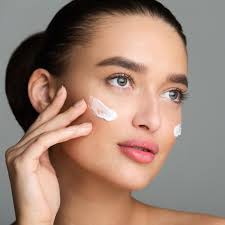

Why Do Brown Spots Form on the Face?
Brown spots on the face usually occur due to irregularity in pigment production in the skin. These spots can usually occur as a result of excessive exposure to sunlight, aging, hormonal changes (especially pregnancy or use of birth control pills) and inflammations on the skin (such as acne). The most common types of brown spots on the face include sun spots, age spots and melasma. When the skin's melanin production increases, this pigment accumulates and shows itself on the skin surface in the form of spots.
Choosing a Cream for Brown Spots
Choosing the right cream is very important to combat brown spots. There are many creams designed to lighten the appearance of spots. These creams usually aim to lighten the color of spots by balancing the pigmentation in the skin. Here are some effective cream ingredients that you can use for brown spots on the face:
Hydroquinone: It helps to lighten the appearance of spots by reducing melanin production in the skin. Creams containing hydroquinone are especially effective for dark spots. However, it is recommended that you consult your dermatologist before using this cream for a long time.
Vitamin C: Vitamin C is a powerful antioxidant and can help balance skin tone. It has the effect of lightening spots and reducing dark spots on the skin. It also helps the skin look healthier by increasing collagen production in the skin.
AHA (Alpha Hydroxy Acid): AHA helps new and healthy skin cells emerge by peeling the upper layers of the skin. This reduces pigmentation in the skin and lightens the appearance of spots.
Niacinamide (Vitamin B3): Niacinamide can help lighten spots by regulating melanin production in the skin. It also strengthens the skin barrier and reduces inflammation in the skin.
Things to Consider When Using Cream
How these creams are used is as important as choosing a cream in order to achieve results. In order for creams used for brown spots to be effective, it is necessary to pay attention to the following points:
Using Sunscreen: It is very important to use a high protection factor (SPF 30 and above) sunscreen every day to prevent spots from increasing. Apply sunscreen at least 15 minutes before going out in the sun. Otherwise, exposure to sunlight during spot treatment may cause existing spots to darken even more.
Regular Use: In order to see a significant improvement in spots, it is necessary to be patient and continue the treatment regularly. Most creams start to show their effects within a few weeks, but it may take 6-8 weeks for full results.
Skin Cleansing: In order for creams on the skin to be more effective, it is important to apply your skin care routine regularly. Gently cleansing your skin will remove dead cells and allow cream products to penetrate the skin better.
Other Treatment Options for Brown Spots
In addition to cream treatment, some medical and aesthetic applications can also be effective in removing superficial brown spots. These include:
Chemical Peeling: Chemical peeling allows spots to heal faster by peeling off the upper layers of the skin. This method is especially used to lighten dark spots on the skin.
Laser Treatment: Laser treatment can help reduce pigmentation by going deeper into the spots. Laser beams target dark areas on the skin and cause these spots to fade over time.
Microdermabrasion: This treatment gently peels off the upper layer of the skin while reducing pigment deposits on the skin. It lightens the color of the spots and helps improve skin texture.
In Conclusion
Brown spots on the face can usually be caused by various factors such as sunlight, aging and hormonal changes. Using creams for brown spots can help lighten the color of these spots and balance the skin tone. However, it is very important to be patient during the treatment process, protect yourself from the sun and do regular skin care. Dermatological interventions and aesthetic treatments can provide faster results in spot treatment. It is always best to consult a dermatologist for a treatment suitable for your skin type.
 Call
Call
 Whatsapp