



Why Do Sun Spots Form?
Sun spots are brown or black spots that occur due to excessive melanin production in the skin. Skin exposed to the sun for a long time increases melanin production, which leads to color changes in some areas. These spots are especially seen on the face, hands and décolleté area. Being unprotected against the sun can cause these spots to become more visible as we age. Although the formation of sun spots is more common in the summer months, unprotected exposure to sunlight even in the winter can lead to these spots.
Choosing an Effective Cream for Sun Spots
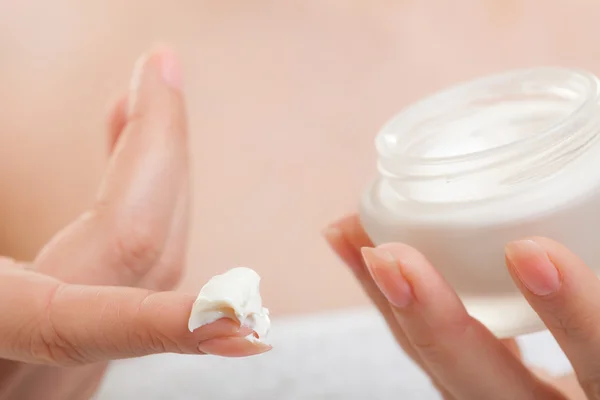
Choosing an effective cream in the treatment of sun spots plays an important role in removing spots on the skin. Creams used for sun spots should generally have spot-removing, skin-whitening and antioxidant properties. Here are the types of creams that can be preferred in the treatment of sun spots:
Creams Containing Vitamin C: Vitamin C regulates melanin production in the skin and helps lighten the color of sun spots. Vitamin C serums help the skin to be brighter and more even-toned, while also protecting the skin from free radicals.
Products Containing AHA and BHA: Creams containing alpha hydroxy acid (AHA) and beta hydroxy acid (BHA) cleanse dead cells on the skin surface and accelerate skin renewal. These acids can help sun spots fade more quickly.
Creams Containing Hydroquinone: Hydroquinone lightens the appearance of spots by reducing pigmentation on the skin. It can be an effective treatment method for sun spots, but should be used with a doctor's advice because it can cause side effects in some skin types.
Products Containing Niacinamide (Vitamin B3): Niacinamide regulates melanin production in the skin and helps reduce the appearance of spots. Since it also has soothing and moisturizing properties, it can be used safely even on sensitive skin.
Methods for Protecting from Sun Spots
Preventing the formation of sun spots is a much more effective method than the treatment process. You can take the following precautions to protect your skin from the harmful effects of the sun:
Use Sunscreen: It is necessary to use a high protection factor sunscreen every day to prevent the formation of sun spots. Choosing a product with an SPF of 30 or higher will protect your skin from UV rays and prevent spots from forming.
Wear a Hat and Sunglasses: Wearing a wide-brimmed hat and sunglasses when going out in the sun will protect your skin from direct sunlight. These simple precautions will help prevent sunspots from forming.
Stay in Shady Areas: Avoiding the sun during the hours when sunlight is at its strongest (between 10:00 and 16:00) will prevent spots from forming. It is safer to stay in shaded areas during these hours if possible.
Other Treatment Options for Sunspots
Cream treatments for sunspots usually provide long-term results. However, in some cases, other treatment options can be used for faster and more effective results:
Laser Treatment: Laser treatment targets spots on the skin and eliminates pigmentation problems. Laser beams penetrate under the skin, reducing the color intensity of the spots and providing a more uniform appearance on the skin.
Chemical Peeling: Chemical peeling helps spots disappear more quickly by peeling the skin surface. Peels containing AHA or TCA (trichloroacetic acid) lighten spots on the skin and balance skin tone.
Microdermabrasion: Microdermabrasion cleans dead cells and pigments on the skin surface, providing a smoother skin appearance. This treatment is an effective option for lightening the appearance of sun spots.
In Conclusion
It is important to choose the right cream and treatment methods for treating sun spots. Products containing vitamin C, AHA, BHA and niacinamide can be effective for lightening sun spots and evening out skin tone. However, in order to achieve the most effective treatment, it is necessary to take care to protect yourself from the sun, do regular care and follow dermatologist recommendations. Remember, the skin care process requires patience, so it is important to take a long-term approach when starting treatment.
 Call
Call
 Whatsapp