


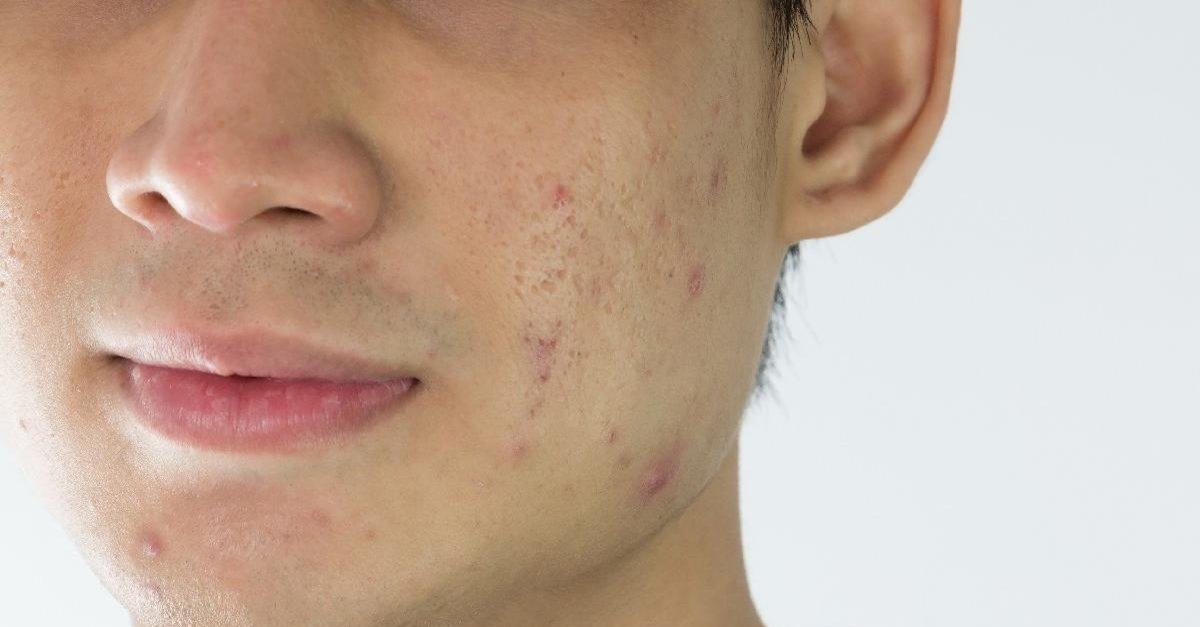

What is Cystic Acne?
Cystic acne is a large, painful acne that occurs as a result of deep inflammation under the skin and usually takes a long time to heal. Since they are located deeper than other acne, they cause swelling and bulging on the skin surface. This type of acne usually occurs under the influence of the body's hormones.
Hormones and Cystic Acne
Cystic acne is usually associated with hormonal changes. During menstruation, puberty, pregnancy or hormonal imbalances, the body produces excess oil. This excess oil can cause pores to become clogged and acne to deepen. Especially the chin, cheeks and under-chin areas are the areas most prone to cystic acne formation due to the influence of hormones.
Cystic Acne and Inflammation
Cystic acne occurs when the sebaceous glands under the skin become inflamed. Oil, combined with dead skin cells, clogs the pores and prepares the ground for bacteria to multiply. This causes larger and more painful swellings to form. Cystic acne, unlike normal acne, usually does not form yellow or whiteheads, but is deeper and more inflamed.
How Are Cystic Acne Treated?
Cystic acne may not go away on its own and usually requires professional treatment. In the first stage, topical treatments, antibiotics or cortisone creams may be used. In severe cases, dermatologists may recommend oral medications or laser treatment. Never squeeze, pop or interfere with such acne as this can cause permanent scars on the skin.
Things to Consider in Skin Care
Skin care is very important in the treatment of cystic acne. It is necessary to gently cleanse the skin, moisturize regularly and avoid excessive makeup. It is also important to choose the right products to control excess oil on the skin. Non-comedogenic (non-pore-clogging) products suitable for oily skin should be used.
When to See a Doctor?
If cystic acne recurs frequently, grows or causes serious pain, a dermatologist should definitely be consulted. The dermatologist will determine the treatment options appropriate for your skin type and minimize the risk of scarring.
 Call
Call
 Whatsapp