


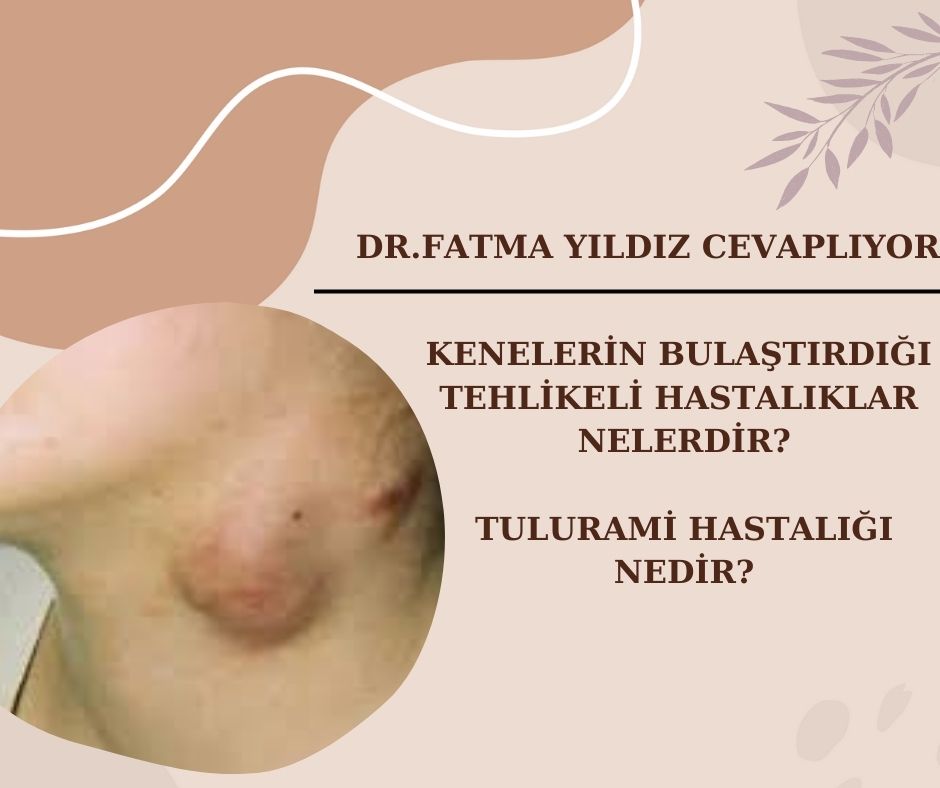

Dangerous Diseases Transmitted by Ticks: What is Tularemia?
Tularemia is an infectious disease that is usually transmitted to humans through rodents (squirrels, mice, rabbits). Transmission can occur through contact with the body fluids of infected animals, consumption of contaminated water and food, or being bitten by infected ticks. The disease is caused by a bacterium called Francisella tularensis. Tularemia can lead to serious health problems if left untreated.
How is Tularemia Transmitted?
Tularemia bacteria can be transmitted to humans in different ways: Direct contact with infected animals
Bite from ticks, flies, or other insects
Consumption of contaminated water or food
Inhalation of the bacteria
Depending on these transmission routes, the disease may present with different symptoms.
What are the Symptoms of Tularemia?
The symptoms of the disease may vary depending on how the bacteria enters the body. The most common symptoms are:
Sudden onset of high fever and chills
Severe headache and muscle aches
Weakness and fatigue
Skin sores and swollen lymph nodes
Cough and difficulty breathing (in cases transmitted by inhalation)
Abdominal pain, diarrhea and vomiting (when contaminated food is consumed)
Symptoms usually appear within 3-5 days, but in some cases can be delayed up to 14 days.
How is Tularemia Diagnosed?
Diagnosis of tularemia is made based on the patient's symptoms and medical history. Laboratory methods such as blood tests, bacterial culture and PCR tests are used for a definitive diagnosis. In addition, the patient's immune system can test for antibodies against the Francisella tularensis bacteria.
Tularemia Treatment
Since tularemia is a bacterial infection, it requires antibiotic treatment. The following drugs are usually used to treat the disease:
Streptomycin or gentamicin (for severe cases)
Doxycycline or ciprofloxacin (for mild and moderate cases)
Antibiotic treatment usually lasts 10-14 days and is highly effective when started early. However, if treatment is delayed, the disease can lead to serious organ damage or long-term health problems.
Ways to Protect Yourself from Tularemia
Avoid contact with rodents that may be infected.
Wear long clothes and use insect repellent to protect against ticks.
Do not consume water in suspicious areas without boiling or disinfecting it.
Use gloves and pay attention to hygiene when cleaning game animals.
Conclusion: Tularemia is a Preventable Disease
Tularemia can be completely cured with early diagnosis and correct antibiotic treatment. However, when the disease progresses, it can cause serious health problems. If you have symptoms such as high fever, swollen lymph nodes and sudden weakness, you should consult a health care professional without delay.
I wish you healthy days!
 Call
Call
 Whatsapp