


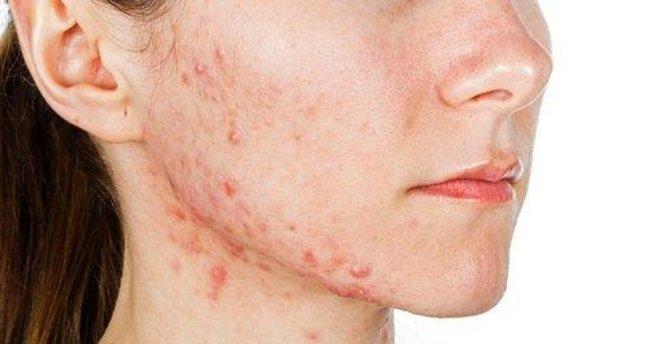

Why Do Deep Acne Scars Form?
Acne scars occur due to tissue loss in the skin, especially after deep inflammatory acne. Such scars are usually in the form of pits and disrupt the natural structure of the skin. Deep acne scars occur when the skin renewal process does not progress quickly enough and collagen production is insufficient during healing.
Skin Correction with Filler Treatment
Filling applications used in the treatment of deep acne scars fill the gaps under the skin, making the surface look smoother. Fillers usually contain natural ingredients such as hyaluronic acid. These substances fill the gaps in the skin and reduce the appearance of scars. The filler process helps the skin become tighter and smoother.
How is it applied?
Filler treatment is a short-term procedure, usually performed under local anesthesia. During the application, the filler is injected directly into the areas where acne scars are present. This process aligns the deep scars under the skin with the surface, thus making the pits on the skin less visible. Patients can usually return to their daily activities immediately after the procedure, but in some cases, mild swelling and redness may be observed.
When Are Results Seen?
The results of filler treatment are usually noticeable immediately. Deep scars on the skin begin to improve in a short time and the skin appears smoother. However, it may be necessary to wait a certain period of time for permanent results. Since the effect of the filler may decrease over time, some patients may want to renew the procedure annually.
Advantages of Filler Treatment
Filling application for deep acne scars offers an effective alternative for people who want to avoid surgical procedures. Since fillers are naturally absorbed by the body, the risks are minimal. In addition, the recovery process after the application is rapid and patients can immediately resume their daily lives.
Who is Suitable for?
Filling treatment is suitable for people who are bothered by deep acne scars and have visible pits on the skin surface. However, this procedure is not recommended for people with active acne because the filling procedure performed on inflamed skin can increase the risk of infection. Therefore, it is important to consult a dermatologist before starting the treatment.
Post-Procedure Care
Although no special care is generally required after the filler treatment, it is recommended to avoid applying direct pressure to the areas on the skin. Additionally, avoiding excessive exposure to sunlight on areas where fillers have been applied can speed up the healing process. Your dermatologist will provide you with specific post-treatment recommendations.
 Call
Call
 Whatsapp