


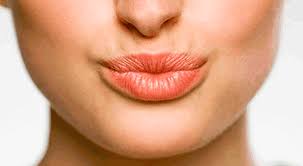

Why Do Upper Lip Stains Occur?
Dark spots on the lip are a common skin problem, especially in women. The color change in this area can usually develop as a result of hormonal reasons (pregnancy, birth control pills), sun exposure, old acne scars or incorrect skin care practices. Sometimes these spots can look like a mustache shadow and can be aesthetically disturbing for the person.
Just Covering It Is Not Enough, You Need to Address the Cause
Covering the stain with makeup alone is a temporary solution. For permanent results, the underlying cause must be correctly determined. For example, the treatment method for a hormonal stain and a sun-induced stain is different. Therefore, the first step is a correct skin analysis and, if necessary, laboratory support.
Which Methods Are Effective in Treatment?
Upper lip stains can be stubborn, but can be largely removed with the right method. Dermatologists usually recommend the following methods for this area:
Stain mesotherapy: It works with lightening and restorative ingredients applied under the skin.
Chemical peeling: It renews the skin surface and eliminates tone inequalities.
Laser treatments: It is very effective on deeply located spots.
Medical creams: They are supportive products for home care.
The treatment plan should be prepared individually according to the needs of the skin.
Sunscreen is a Must
The upper lip area is a very sensitive area to the sun. Even if the spot treatment is applied, if sunscreen is not used regularly, the spots may return in a short time. A broad-spectrum, high-protection factor sunscreen should be used every day. In addition, protecting this area from the sun in summer and winter is critical for the permanence of the treatment.
What Can Be Done at Home?
Some products that can be used at home can help balance skin tone. Creams and serums containing ingredients such as vitamin C, niacinamide, and arbutin can be effective on light spots. However, it is important to use these products under the supervision of a doctor to prevent irritation or unwanted reactions on the skin.
 Call
Call
 Whatsapp