



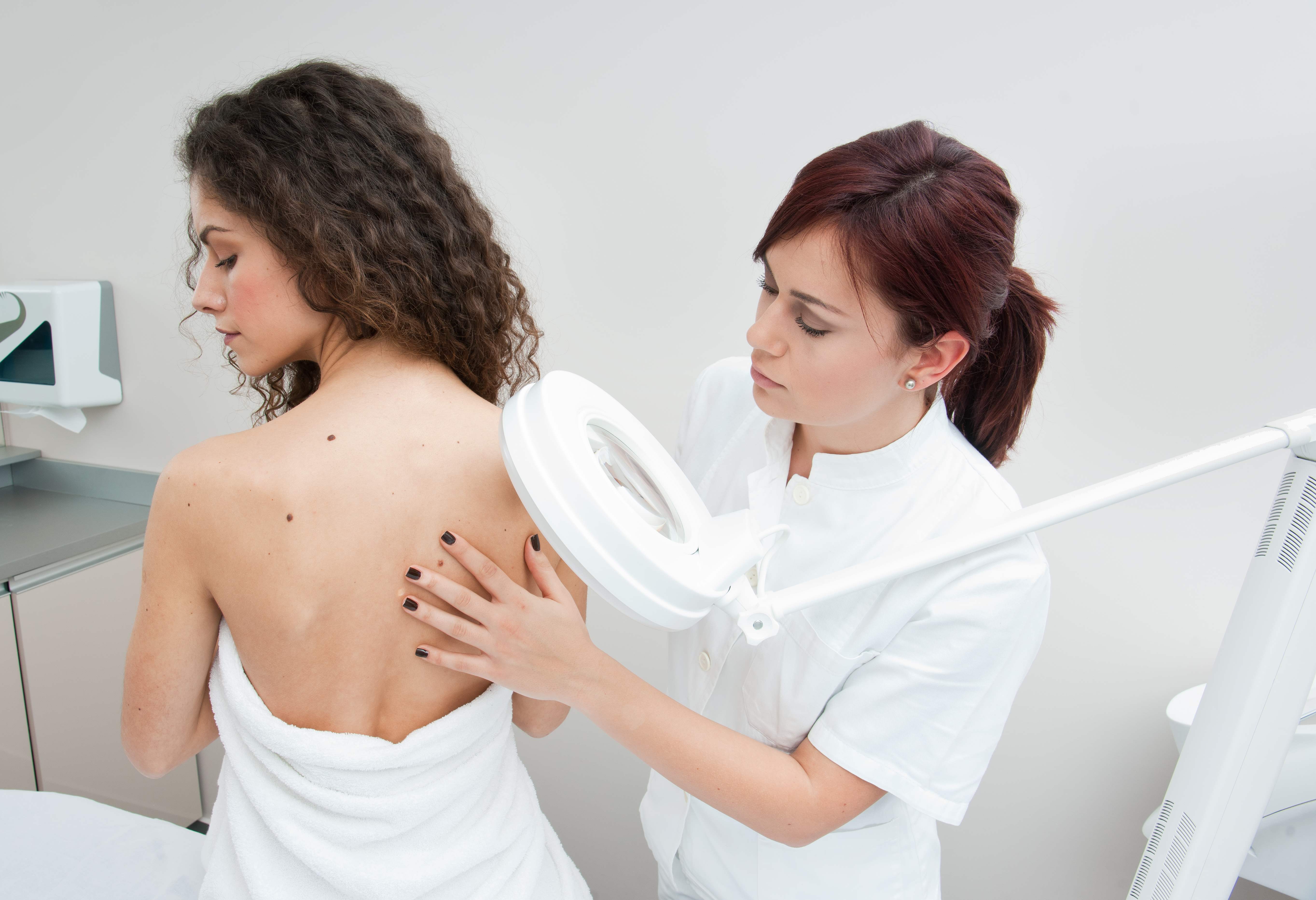
Seeing a dermatologist is important for many different reasons. First, dermatologists can diagnose and treat serious diseases such as skin cancer. Early diagnosis increases your chances of treatment and can prevent complications from skin cancer. Additionally, dermatologists can offer solutions to your skin problems. For example, skin problems such as acne, eczema, and rosacea can be treated by dermatologists. Dermatologists also specialize in hair and nail health and can help you with these issues.
Seeing a dermatologist regularly is also a way to slow skin aging. Dermatologists can give you advice to optimize your skin care routine and product choices. In this way, you can reduce wrinkles, improve your skin tone and have healthier skin in general.
Common Skin Problems Treated by Dermatologists
Dermatologists can diagnose and treat many different skin conditions. Here are some of the common skin problems that dermatologists often encounter:
1. Acne: Acne is a skin problem also known as acne. It usually occurs during adolescence, but can also occur in adults. Dermatologists can determine the cause of acne and recommend appropriate treatment methods.
2. Eczema: Eczema is a skin disease in which the skin becomes irritated, causing symptoms such as redness, itching and dry skin. Dermatologists may recommend medications and topical creams to treat eczema.
3. Rosacea: Rosacea is a skin condition characterized by redness, swelling, and acne-like lesions, usually on the face. Dermatologists can recommend medications and topical treatments to relieve rosacea symptoms.
4. Dermatitis: Dermatitis is a skin condition that occurs as a result of inflammation of the skin. Dermatologists may recommend antihistamines and corticosteroid creams to relieve dermatitis symptoms.
5. Fungal Infections: Fungal infections can occur in different parts of the body. Dermatologists can diagnose fungal infections and treat them with antifungal medications.
The Importance of Early Diagnosis and Prevention in Dermatology
Early diagnosis and prevention in dermatology are of great importance in treating skin problems and preventing their spread. Early diagnosis is important for treating serious diseases such as skin cancer. Dermatologists can recognize the symptoms and risk factors of skin cancer and perform the necessary tests for early detection. Early diagnosis increases your chances of treatment and prevents complications.
Additionally, dermatologists also play an important role in preventing skin problems. Dermatologists can give you advice to optimize your skin care routine and improve your skin health. For example, you can prevent skin problems with simple steps such as using sunscreen, regular skin cleansing and moisturizing.
How to Choose the Dermatologist That Suits Your Needs?
Choosing the right dermatologist is important to maintain your skin health and treat your skin problems. Here are some factors you need to consider to choose the right dermatologist:
6. Experience and Expertise: Make sure your dermatologist is experienced and an expert in his field. This is important to best diagnose and treat your skin problems.
7. Communication: It is important to have good communication with your dermatologist. Choose a dermatologist who can answer your questions, explain treatment options, and recommend skin care routines that are right for you.
8. Testimonials and Reviews: Check your dermatologist's past client testimonials and reviews. This can give you an idea of the quality of your dermatologist.
9. Convenience: It should be easy to reach your dermatologist and you shouldn't have to wait long to make an appointment. It is important that it is quickly accessible in case of emergency.
Dermatological Treatments and Procedures
Dermatologists can perform many different treatments and procedures. Here are some treatments and procedures frequently used by dermatologists:
10. Laser Treatment: Laser treatment is an effective method in the treatment of skin problems. Laser can reduce skin blemishes, remove wrinkles and improve skin tone.
11. Chemical Peeling: Chemical peeling is a treatment method used to reveal younger and healthier skin by peeling off the upper layer of the skin. Chemical peeling reduces skin blemishes, removes acne scars and increases skin elasticity.
12. Botulinum toxin Injections: Botulinum toxin injections are a treatment method used to reduce wrinkles and rejuvenate the skin. Botulinum toxin injections relax facial muscles and reduce the appearance of wrinkles.
13. Dermatological Surgery: Dermatologists can perform surgical interventions for the treatment of serious diseases such as skin cancer. Procedures such as removing and repairing skin cancer lesions can be performed.
Skin Care Tips Recommended by Dermatologists
Dermatologist
Dermatologist
Free Information,
Consultation and Appointment Request
 Call
Call
 Whatsapp