


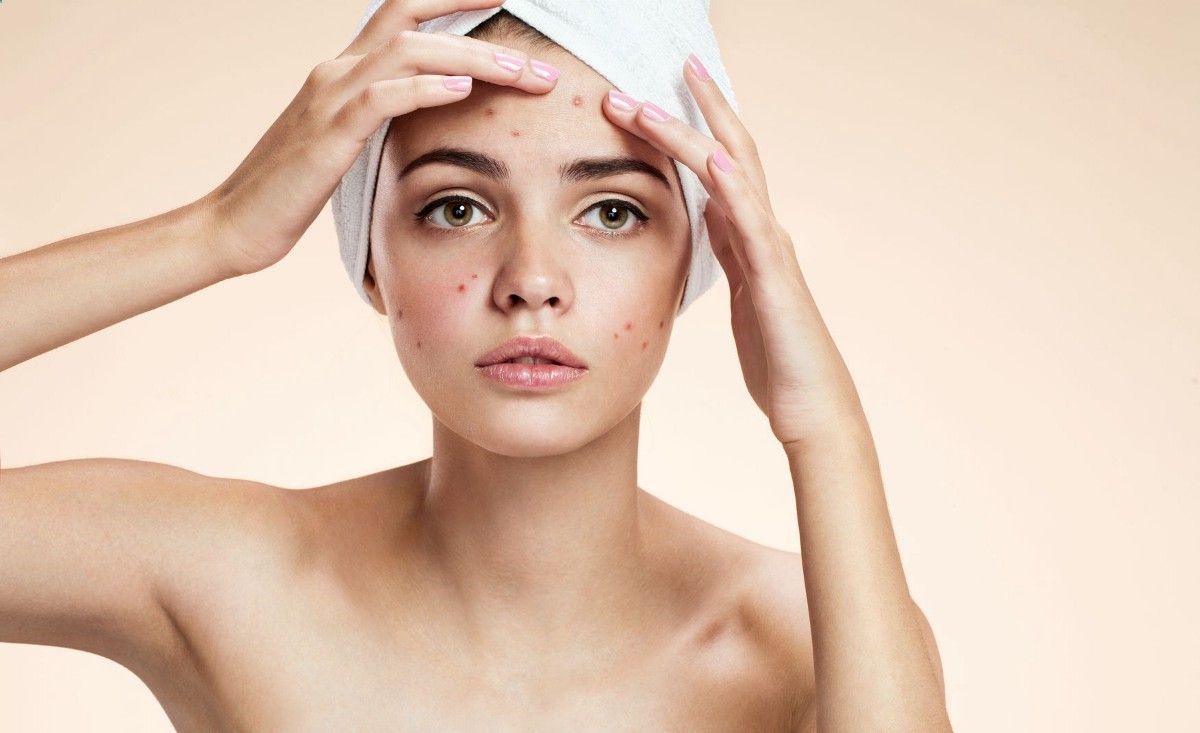

Acne is a skin problem that usually occurs on the face, back and shoulders and is caused by the blockage and inflammation of the follicles. Acne lesions can be seen as comedones (black or whiteheaded pimples), papules (red, raised blisters), pustules (inflamed blisters) and nodules (deep, painful masses).
Acne, on the other hand, is a skin problem that occurs as a single, isolated lesion and is caused by bacterial infection in the follicle. Pimples are usually red, swollen and painful and are mostly seen on the face, back and chest area.
Differences Between Acne and Pimples
The main differences between acne and pimples can be listed as follows:
1. Causes of Formation:
• Acne occurs as a result of the blockage and inflammation of the follicles.
• Pimples are caused by bacterial infection in the follicle.
2. Prevalence and Appearance:
• Acne lesions are commonly seen on the face, back and shoulders and can include various types of lesions (comedones, papules, pustules, nodules).
• Acne usually occurs as a single, isolated lesion and is more common on the face, back and chest.
3. Severity:
• Acne can range from mild to severe.
• Acne is usually a milder and temporary skin problem.
4. Treatment Approach:
• Acne treatment usually requires a comprehensive approach that includes topical and systemic medications.
• Acne treatment can be achieved by using more topical antiseptic and antibacterial products.
Causes of Acne
Many factors play a role in the formation of acne. The main causes are:
5. Hormonal Changes: Increased androgen hormones during puberty cause excessive activity of the sebaceous glands and blockage of the follicles.
6. Genetic Factors: Acne is a skin problem that is passed down in families. Genetic predisposition can affect the severity of acne.
7. Stress: Stress can increase cortisol levels in the body, causing the sebaceous glands to overwork and contributing to acne formation.
8. Cosmetic Products: Oily, comedogenic (blocking) cosmetic products can cause follicles to become blocked.
9. Nutrition: High glycemic index foods, milk and dairy products can play a role in triggering acne.
10. Infections: Bacteria can cause inflammation of acne lesions.
Causes of Acne
The main factors in the formation of acne are as follows:
11. Bacterial Infection: The bacterium called Propionibacterium acnes multiplies in the follicle and causes acne formation.
12. Hormonal Changes: Hormonal fluctuations can cause the sebaceous glands to overwork and bacteria to multiply.
13. Stress: Stress can help bacterial infections develop by weakening the immune system.
14. Hygiene: Inadequate skin cleansing can contribute to increased clogged pores and bacterial growth.
15. Genetic Predisposition: Some people may be more prone to acne.
16. External Factors: External factors such as pollution, sweating, and friction can also trigger acne.
Acne and Pimple Treatment
Acne and pimple treatments vary depending on the severity and causes of the lesions:
17. Acne Treatment:
• Topical treatments: Topical medications such as retinoids, benzoyl peroxide, and antibiotics can be used.
• Systemic treatments: Oral medications such as antibiotics, hormone regulators, and isotretinoin can be applied.
• Other treatments: Methods such as laser treatment, chemical peeling, and light therapy can also be used.
18. Acne Treatment:
• Topical treatments: Creams, gels, or lotions containing antibacterial, antiseptic, and drying ingredients are used.
• Systemic treatments: Oral medications such as antibiotics and hormone regulators may be required.
• Other treatments: Methods such as hot application, manual drainage, and laser therapy may be applied.
An individualized approach is important in acne and pimple treatment, depending on skin type, severity of lesions, and underlying causes. Regular skin care, correct product selection, and a healthy lifestyle also contribute to the healing process.
 Call
Call
 Whatsapp