


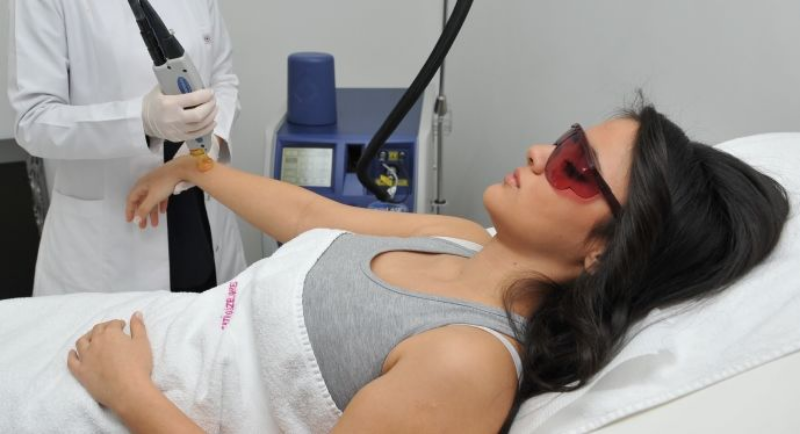

Laser epilation is a modern method used to remove unwanted hair. This application aims to prevent hair growth by targeting hair follicles with laser beams. Laser technology uses light energy at specific wavelengths to affect the hair roots, which can delay or reduce regrowth.
Epilation, in general, refers to the process of removing body hair through various methods. These include techniques such as waxing, shaving, epilators, and laser. Among these methods, laser epilation holds a different place in terms of permanence and effectiveness. However, both methods have their own advantages and disadvantages.
The main difference of laser epilation from other methods is that it offers longer-lasting results. Traditional epilation methods generally remove hair only from the surface. Laser epilation, on the other hand, targets hair follicles and can provide more long-term solutions.
Advantages of Laser Epilation
The most notable advantage of laser epilation is its potential to reduce hair growth in the long term. This can significantly decrease the frequency of hair removal and make daily care routines easier. It is also ideal for achieving fast results in large areas, saving time.
Additionally, laser epilation tends to cause minimal irritation on the skin when applied correctly. Traditional methods like waxing or shaving may irritate the skin, whereas laser technology helps protect it and can be suitable for sensitive skin types.
Laser epilation can be applied with customizable parameters. This allows a personalized treatment plan according to each individual’s skin type and hair color, ensuring more effective results.
Laser Epilation Applications and Process
The laser epilation process usually consists of multiple sessions and is repeated at certain intervals to increase effectiveness. The number of sessions may vary depending on the individual’s hair structure, skin type, and the treated area. On average, 6–8 sessions are recommended for effective results.
Each session generally includes the following steps:
- Preparation: Hair in the treatment area is shortened before the procedure.
- Application: The laser device is moved in a controlled manner to target the hair follicles.
- Follow-up: Mild redness or sensitivity may occur after the session, but it usually subsides quickly.
When performed by professionals, laser epilation is considered a safe and effective method.
Laser Epilation Services in Ankara
Ankara offers a wide range of laser epilation services. Many clinics provide different applications suitable for various needs and budgets. These clinics use modern devices and experienced specialists. Centers such as Ankara Life Polyclinic are among the prominent options in this field.
One of the most important factors to consider when choosing a clinic is the competence of the clinic and its specialists. Choosing a reliable clinic is crucial for both safety and effectiveness. Therefore, it is beneficial to research the clinic and review references beforehand.
Many clinics offer consultation services to evaluate individual needs. In this way, a personalized treatment plan can be created, and results aligned with expectations can be achieved.
Differences Between Laser and Epilation
The differences between laser and epilation are clear in terms of application methods and results. Laser epilation is performed using light energy at specific wavelengths, while traditional methods rely on mechanical or chemical processes.
Traditional methods are generally quick and easy to apply but provide short-term results. Laser epilation requires preparation and regular sessions, but its results can be more long-lasting and effective.
Another key difference is personalization. Parameters can be adjusted according to each individual’s skin type and hair structure, allowing for safer and more effective outcomes.
Things to Consider Before and After Laser Epilation
Before laser epilation, it is important to protect the treatment area from sun exposure. Sunburned or tanned skin may be more sensitive to laser treatment.
After each session, mild redness or irritation may occur. To reduce this, it is recommended to moisturize the skin and avoid direct sunlight.
Additionally, hair shedding may take a few weeks after the procedure. During this period, it is important not to pull or pluck the hair and to allow the natural shedding process.
 Call
Call
 Whatsapp