



Among laser hair removal methods, Alexandrite laser and diode laser are two commonly encountered technologies that offer different advantages for users. In this article, we aim to examine these two popular laser types in detail and provide information about which one may be more suitable for you.
What Are Alexandrite Laser and Diode Laser?
Alexandrite laser is a laser technology with a wavelength of 755 nm. Because of its strong interaction with melanin pigment, this type of laser is generally recommended for individuals with fair skin. Alexandrite laser is known for its fast pulse rates, which allow large areas to be treated in a short time.
On the other hand, diode laser operates at a wavelength of 800–810 nm and has the ability to penetrate deeper layers of the skin. This feature makes diode laser a more suitable option for individuals with darker skin tones. Diode laser is also known for offering a treatment process that may involve less pain and fewer side effects.
These two laser technologies offer different solutions for various skin types and needs in the field of hair removal. In places such as Ankara Life Polikliniği in Ankara, both laser types are widely used and recommended by specialists.
Main Differences Between Alexandrite Laser and Diode Laser
The differences between Alexandrite and diode lasers determine the advantages and disadvantages of each technology. Here are the main differences between these laser types:
Wavelength: Alexandrite laser operates at 755 nm, while diode laser works at 800–810 nm. This wavelength difference determines the effects of the lasers on the skin and their suitability.
Skin Type Compatibility: Alexandrite laser is generally more suitable for individuals with fair skin. Diode laser is suitable for a wider range of skin types and is considered safer especially for darker skin tones.
Speed and Effectiveness: Alexandrite laser is known for its fast pulse rates, while the deeper penetration of diode laser may make it more effective in certain areas.
These differences provide important clues about which type of laser should be preferred. During laser hair removal applications, choosing the method most suitable for the skin type is critical for the success of the treatment process.
Which Laser Is the Most Effective?
One of the most frequently asked questions about laser hair removal is “Which laser is the most effective?” However, the answer to this question may vary depending on several factors.
Skin and Hair Type: A person's skin color and hair structure may determine which type of laser will be more effective. Alexandrite laser may be more effective for fair skin and dark hair, while diode laser may be preferred for darker skin tones.
Treatment Area: Different laser types may be more suitable for different areas of the body. For example, Alexandrite laser is often preferred for large areas because of its speed, while diode laser may offer advantages in more sensitive areas.
Personal Preferences and Sensitivities: Individual factors such as pain tolerance and skin sensitivity may also play a role in choosing the type of laser. Some people find diode laser to be less painful.
As a result, the most effective type of laser may vary from person to person. In centers such as Ankara Life Polikliniği, the most suitable treatment method can be determined through personalized evaluations.
Laser Hair Removal Applications
Laser hair removal is a method used to reduce unwanted hair. This process aims to reduce hair production over time by allowing laser beams to penetrate the hair follicles. It should be remembered that laser hair removal does not provide a completely permanent effect but may help reduce hair growth for a long period.
Preparation Process: Before laser hair removal, it is important to prepare the skin for treatment. Precautions such as avoiding sun exposure and not using products that may irritate the skin should be taken.
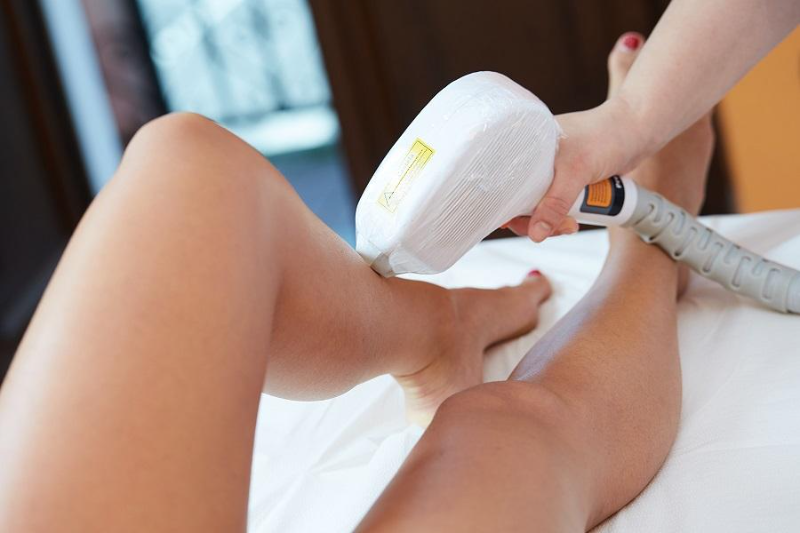
Application Process: During laser hair removal, the laser device is moved over the skin so that the beams reach the hair follicles. A mild sensation of pain or burning may occur during the procedure.
Aftercare: After treatment, redness and sensitivity may be observed on the skin. In this case, using soothing creams and protecting the skin from the sun is recommended.
These practices help ensure that the hair removal process progresses both safely and effectively.
Laser Types and Their Features
There are different types of lasers used in laser hair removal methods. Each of them has specific characteristics and advantages. Here are some laser types and their features:
Laser Type – Wavelength (nm) – Skin Type – Features
Alexandrite – 755 – Fair skin – Fast, suitable for large areas
Diode – 800–810 – All skin types – Deeper effect, less pain
Nd:YAG – 1064 – Dark skin – Deeper penetration, safe for dark skin
Ruby – 694 – Very fair skin – Sensitive, suitable for fair skin
These laser types allow the hair removal process to be adapted to different skin types and needs.
Session Duration: Alexandrite and Diode Laser
Laser hair removal sessions may be completed in different durations depending on the laser type used and the treatment area. Session duration is one of the factors that affect the efficiency of the treatment process.
Alexandrite Laser Session Duration: Alexandrite laser, which generally has faster pulse rates, can perform procedures in a shorter time on large areas. For example, large areas such as the legs may take approximately 30–45 minutes.
Diode Laser Session Duration: The deeper effect of diode laser may require longer treatment times in some areas. However, this duration generally varies between 30–60 minutes.
Session durations may vary depending on the individual's skin and hair structure. Therefore, it is recommended that specialists perform personalized evaluations before each treatment.
Which Laser Is More Suitable for Which Skin Type?
The success of laser hair removal is closely related to choosing the correct laser type. As a general guide for which laser is more suitable for which skin type:
Fair Skin Tones: Alexandrite laser is generally a more suitable option for individuals with fair skin tones. In these skin types with lower melanin density, Alexandrite laser has been observed to provide fast and effective results.
Dark Skin Tones: Diode and Nd:YAG lasers may be safer and more effective for darker skin tones. The deeper penetration capability of diode laser may produce better results in darker skin types.
Sensitive Skin: For sensitive skin, lasers that operate at lower energy levels are recommended. In such cases, diode laser may generally be less irritating.
The choice of which laser type to use should be determined according to the individual's skin and hair characteristics. This decision should be supported by evaluations conducted by specialists.
 Call
Call
 Whatsapp