


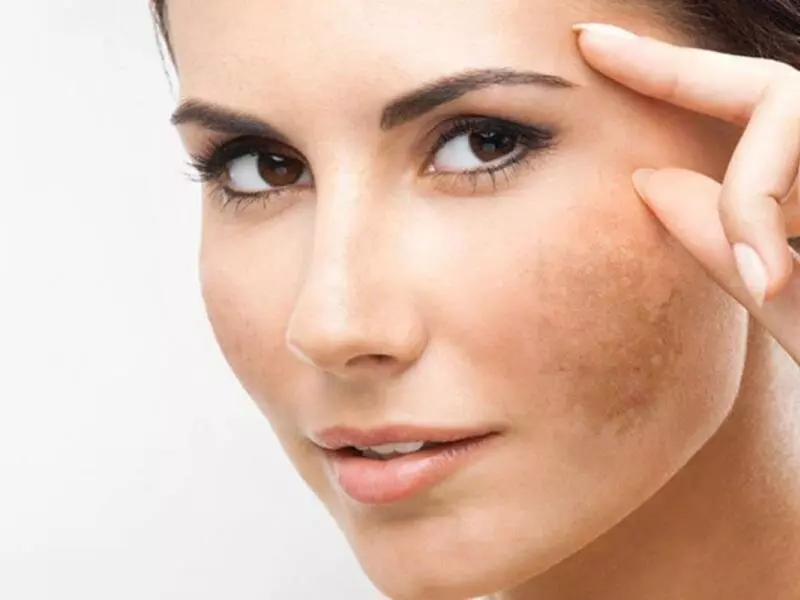

Melasma is a common pigmentation condition that causes darker patches to appear on the skin. It most commonly affects the face and may be influenced by factors such as hormonal changes and sun exposure. Melasma is sometimes referred to as the “mask of pregnancy” when it develops during pregnancy. It is more commonly seen in women and may cause aesthetic concerns.
Melasma often appears symmetrically on areas such as the forehead, cheeks, and upper lip. Although its exact cause is not fully understood, genetic predisposition, hormonal influences, and ultraviolet exposure are thought to contribute to its development. Melasma may also become more noticeable during periods of increased sun exposure.
Melasma treatment is an important part of pigmentation management. Dermocosmetic products, Peeling Pigmentation Treatment, and selected Ankara Laser applications may be considered depending on individual skin characteristics. However, not every treatment is suitable for every person, so professional dermatological evaluation is important.
What Are Sun Spots?
Sun spots are areas of darker pigmentation that may develop as a result of cumulative ultraviolet exposure and increased melanin production.
They are often more noticeable on sun-exposed areas such as the face, hands, shoulders, and arms. Their appearance may vary in size, shape, and color.
Sun protection is important for reducing further ultraviolet exposure and limiting the development of additional pigmentation.
Peeling Pigmentation Treatment, topical products, laser procedures, and other methods may be considered for selected sun spots. The most appropriate option depends on factors such as the type, color, depth, and size of the pigmentation as well as individual skin characteristics.
Main Differences Between Melasma and Sun Spots
Although both melasma and sun spots can cause areas of darker pigmentation, they differ in their causes, appearance, and treatment approach.
Melasma is commonly associated with hormonal influences, genetic predisposition, and ultraviolet exposure. Sun spots, on the other hand, are more directly associated with cumulative sun exposure.
Melasma often appears as broader and more symmetrical patches, particularly on the face. Sun spots may appear as more localized and individually defined areas of pigmentation.
Sun protection is important for both conditions. However, melasma generally requires more cautious and long-term management because it may recur and can respond unpredictably to some procedures.
Laser-based treatments may be considered for both conditions in selected cases, but the treatment approach should be individualized according to skin type and pigmentation characteristics.
Melasma Treatment Methods
Different approaches may be used in the management of melasma. Treatment should be planned according to skin type, pigmentation severity, medical history, and individual response.
1. Topical Treatments
Brightening and Prescription Creams: Products containing ingredients such as hydroquinone, tretinoin, or corticosteroids may be used in selected treatment protocols under professional guidance. These ingredients may help reduce the visible appearance of pigmentation.
Acid-Based Products: Ingredients such as glycolic acid or other exfoliating agents may be considered in certain cases. Their use should be adjusted according to skin sensitivity and the overall treatment plan.
2. Professional Procedures
Laser Treatments: Selected Ankara Laser procedures may be considered for some individuals with melasma. However, laser treatment is not appropriate for every case, and excessive or unsuitable treatment may sometimes worsen pigmentation.
Chemical Peeling: Chemical peeling may help reduce the appearance of certain superficial pigmentation concerns through controlled exfoliation. The type and depth of the peel should be selected carefully.
Melasma treatment often requires patience, ongoing sun protection, and a long-term skin care strategy.
Sun Spot Treatment Methods
Treatment for sun spots may vary according to the color, size, depth, and location of the pigmentation.
1. Topical Products
Brightening Products: Ingredients such as vitamin C, kojic acid, or other pigment-targeting compounds may help reduce the appearance of selected sun spots over time.
Retinoids: Retinoids may support skin cell turnover and may be included in certain treatment plans under professional guidance.
2. Professional Procedures
Laser Treatments: Selected laser systems may target pigment within the skin and help reduce the visible appearance of sun spots.
IPL – Intense Pulsed Light: IPL may be considered for certain pigmentation concerns by using broad-spectrum light to target areas of discoloration.
Both laser and IPL treatments should be selected according to skin type, pigmentation characteristics, and professional assessment.
What Should Be Considered During Treatment?
There are several important points to consider during the treatment of both melasma and sun spots.
1. Sun Protection
Use of Sunscreen: Broad-spectrum sunscreen can help reduce ultraviolet exposure and may lower the likelihood of worsening or recurrent pigmentation.
Limiting Sun Exposure: Avoiding prolonged direct sun exposure, particularly during periods of intense sunlight, may also be helpful.
2. Skin Care
Choose Gentle Products: Products that minimize unnecessary irritation may be preferable, especially when active treatments are being used.
Moisturizing: Appropriate moisturization can help support the skin barrier during treatment.
3. Professional Follow-Up
Regular Assessments: Follow-up appointments can help evaluate treatment response and determine whether changes to the treatment plan are necessary.
Individualized Treatment Planning: Skin type, pigmentation pattern, medical history, and response to previous treatments should all be considered.
Melasma and sun spots may both affect the appearance of the skin, but they do not have the same underlying causes or treatment approach. Professional assessment can help distinguish between these pigmentation concerns and determine a more appropriate treatment strategy.
 Call
Call
 Whatsapp