


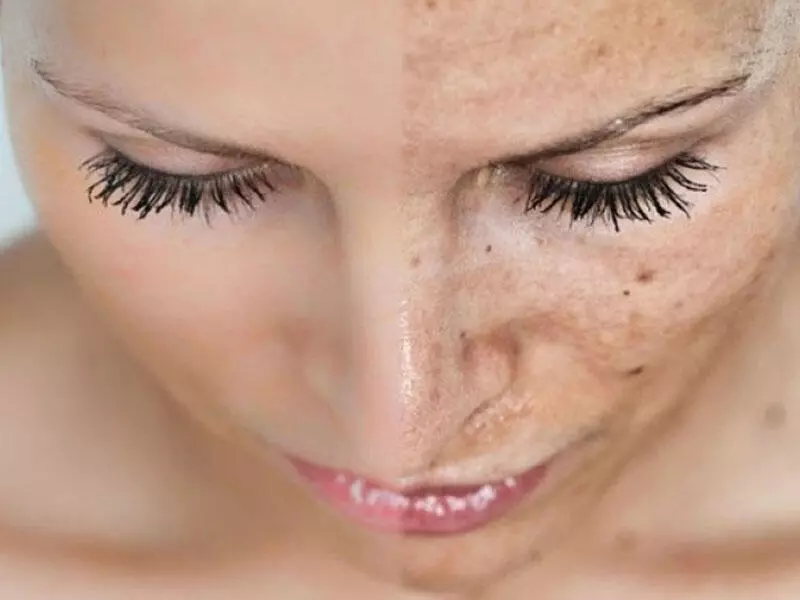

Melasma is a common skin condition that causes dark-coloured patches to develop on the skin. It is generally seen on areas of the face such as the forehead, cheeks and upper lip. This condition may occur for various reasons, including hormonal fluctuations, sun exposure and genetic factors. Since it is frequently observed during pregnancy, it is also known as the “mask of pregnancy.”
Melasma is a skin pigmentation problem characterised by increased melanin production in the upper layers of the skin. This causes dark patches to develop in certain areas. Treating melasma is generally challenging and requires a long-term approach. Melasma treatment is a process that includes regular monitoring and skincare.
The psychological effects of melasma should not be overlooked. Noticeable patches on the skin may lead to reduced self-confidence. It is therefore important to remember that melasma is not only a physical concern but may also create an emotional burden.
What Are Sunspots?
Sunspots are dark patches that develop on the skin as a result of prolonged sun exposure. They are generally seen on areas most frequently exposed to sunlight, such as the face, hands, shoulders and arms. Sunspots are considered a natural part of skin ageing and usually become more noticeable with age.
These spots develop due to the accumulation of melanin pigment in the skin. Ultraviolet rays from sunlight may cause an abnormal increase in melanin, leading to the formation of spots on the skin’s surface. Sunspots do not cause serious health problems such as skin cancer, but they may be aesthetically concerning.
Various methods are available among skin pigmentation treatments for sunspots. These include chemical peels, laser treatment and topical creams. Each treatment method may produce different results depending on the size and depth of the spots and the individual’s skin type.
Differences Between Melasma and Sunspots
Although both melasma and sunspots cause dark patches on the skin, they develop for different reasons and require different treatment approaches. Melasma is generally associated with hormones, while sunspots are directly related to ultraviolet exposure. These differences in their underlying causes also affect the treatment approach.
Melasma generally develops as a result of pregnancy, birth control pills or hormonal changes. In contrast, sunspots occur because of prolonged sun exposure. For this reason, sunscreen use plays a critical role in preventing sunspots, but it may not completely prevent melasma.
In terms of treatment, melasma treatment may be more complex. Since the condition may be related to hormonal factors, the treatment process often requires a longer and more patient approach. Sunspots are generally more superficial and may therefore respond more quickly to methods such as laser treatment.
Melasma Treatment Methods
Methods used in melasma treatment focus on balancing the skin tone and reducing the appearance of the patches. One of the most commonly used approaches involves creams and lotions containing hydroquinone and retinoids. These products help create a more even skin tone by suppressing melanin production.
Laser treatment is another method used for melasma patches. This technique, performed at Ankara Laser treatment centres, targets pigment in the deeper layers of the skin and reduces the appearance of the patches. However, laser treatment may cause skin sensitivity in some individuals and should therefore be performed under the supervision of a qualified doctor.
Chemical peeling is another method used in melasma treatment. This procedure removes the upper layer of the skin to reveal fresher and more evenly toned skin. Chemical peeling should be personalised according to the skin type and depth of the pigmentation. The treatment is generally performed over several sessions and requires careful skincare.
Sunspot Treatment Methods
Pigment-reducing creams and laser treatments are among the most commonly preferred methods for treating sunspots. Creams formulated for sunspots generally contain ingredients that help lighten the skin tone and may reduce the colour of the spots with regular use. The time required for these creams to take effect may vary depending on the size and darkness of the spots.
Laser treatment is an effective method for permanently reducing sunspots. Laser energy penetrates the deeper layers of the skin, helping break down pigmentation and reduce the visibility of the spots. This treatment generally requires several sessions, and the results may vary according to skin type.
Chemical peeling is another method used in the treatment of sunspots. The peeling process removes dead cells from the skin’s surface and helps create a brighter and more evenly toned appearance. Chemical peels may be applied at different strengths and offer options for different skin types.
Which Treatment Is Suitable for Whom?
Treatments for melasma and sunspots should be personalised according to each individual’s skin type and the characteristics of the pigmentation. Since melasma treatment may be related to hormonal factors, it generally requires a longer-term approach. Creams and laser treatments may be effective for individuals affected by hormonal changes, but patience is required.
The treatment selected for sunspots should be based on the size of the spots and the general condition of the skin. Laser treatment may be suitable for individuals seeking faster results. However, people with sensitive skin may prefer gentler approaches such as creams or chemical peels.
It is important to obtain professional support from a dermatologist or skincare specialist when choosing a treatment. Specialists can determine the most appropriate treatment method for the skin and help achieve safer and more effective results. Making the correct choice among skin pigmentation treatments is critically important for both skin health and appearance.
Preventing Melasma and Sunspots
Preventing melasma and sunspots is an important part of protecting skin health. In both conditions, sun protection is the most effective preventive measure. Using a broad-spectrum sunscreen is essential for protecting the skin from harmful ultraviolet rays. Sunscreen plays a critical role in reducing the formation of pigmentation.
Paying attention to hormonal changes is also important for reducing the risk of melasma. Extra care should be taken with skincare, particularly during situations that affect hormone levels, such as pregnancy or the use of birth control pills. Skincare products should be selected according to the individual’s skin type and needs.
Physical protection methods such as hats and sunglasses may also help prevent sunspots. Adding antioxidant-containing serums to a skincare routine may help protect the skin against free radicals. Regular care and protective measures are essential for maintaining healthy and evenly toned skin.
 Call
Call
 Whatsapp