


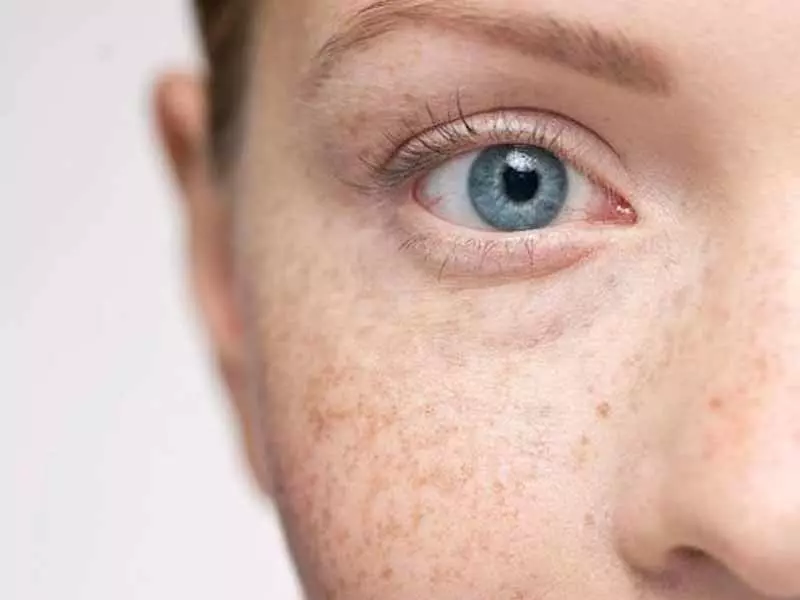

The effects of sunlight on the skin may become more noticeable during periods of increased sun exposure. Understanding the differences between sunspot treatment methods is important when selecting an approach suitable for individual skin structure and pigmentation characteristics. This article discusses different treatment options and points to consider when protecting the skin from sun-related pigmentation.
What Is Sunspot Treatment?
Sunspot treatment includes different procedures intended to reduce the appearance of dark areas on the skin. These spots may develop in association with long-term ultraviolet exposure and commonly affect areas such as the face, hands and shoulders. Changes in skin colour may cause aesthetic concern for some people.
Treatment options may include chemical peeling, microdermabrasion, topical products and laser procedures. These methods aim to reduce visible pigment differences and support a more balanced-looking complexion. However, not every treatment is suitable for every skin type or pigmentation concern.
The response depends on the selected procedure, the characteristics of the pigmentation and sun-protection habits. Sunscreen and physical protection may help reduce the risk of existing spots becoming darker and new pigmentation developing. Sun protection should also continue after treatment.
Differences Between Sunspot Treatment Methods
Methods used for sunspots may differ in their application, mechanism of action, intensity and recovery period. Some procedures involve professionally applied laser treatment or chemical peeling, while other approaches are based on topical skincare products. The differences between sunspot treatment methods should be assessed according to pigmentation depth and individual skin characteristics.
Professional procedures such as laser treatment and chemical peeling aim to create a controlled effect in the skin and reduce visible pigmentation. Depending on treatment intensity, redness, sensitivity, peeling or temporary colour changes may occur. The time required to notice a visible change varies between individuals.
Topical products and lower-intensity skincare approaches generally require longer and more regular use. Their effects depend on the active ingredients and individual skin structure. The advantages, limitations and possible side effects of professional procedures and home-use products should be considered separately.
Pigmentation Treatments: Different Methods and Procedures
Different Pigmentation Treatments may be considered for various skin types and pigment concerns. Some of these methods include:
-
Chemical Peeling: Creates controlled exfoliation of the upper skin layer and may help reduce the appearance of certain superficial spots. It may also support a more balanced-looking skin surface.
-
Microdermabrasion: Aims to remove dead cells from the skin surface through controlled mechanical abrasion. It may help soften the appearance of certain superficial colour and texture irregularities.
-
Laser Treatment: Uses laser energy at specific wavelengths to target areas of concentrated pigment. Its effects and recovery period vary according to the technology and individual skin characteristics.
Each method has different advantages, limitations and possible side effects. In certain cases, multiple methods may be planned at different times. Natural skin tone and the type and depth of the pigmentation should be assessed before preparing an individual plan.
Skin Pigmentation Treatments: Which Methods May Be Effective?
When selecting among Skin Pigmentation Treatments, skin structure, natural skin tone and pigmentation type should be considered. There is no single method that is most effective for every person and every type of spot.
-
Retinoids: These ingredients may help reduce the appearance of certain spots by affecting skin renewal and pigment distribution. They should be used under professional guidance because they may cause irritation and increased sensitivity to sunlight.
-
Brightening Serums: Products containing vitamin C, niacinamide or other active ingredients may support a more balanced-looking skin tone when they are appropriate and used regularly. Suitability for individual skin structure is important.
-
Home-Use Skincare Products: Cosmetic products formulated for pigmentation may help reduce certain superficial colour differences. Acidic household ingredients such as lemon juice should not be applied directly to the skin because they may cause irritation and sun-related colour changes.
Every method has a different mechanism and possible side effects. Assessment by a dermatologist or qualified healthcare professional is important when selecting a suitable product or procedure. The response varies between individuals.
Sunspot Treatment With Ankara Lazer
Ankara Lazer procedures are among the methods that may be considered to reduce the appearance of certain sunspots. Laser energy may help lighten spots by targeting areas of concentrated pigment. The device and settings should be selected according to natural skin tone and the characteristics of the pigmentation.
The time required to notice a response varies from person to person. Some people may notice a change after the first sessions, while others may require several procedures. Redness, sensitivity, crusting or temporary changes in skin colour may occur afterwards.
Different centres in Ankara offer laser procedures for sunspots. Dermatological assessment and selection of a method suitable for individual skin structure are important before treatment. Practitioner training, device characteristics and an appropriate aftercare plan should be considered.
Points to Consider During Sunspot Treatment
Before treatment, the suitability of the products and procedures for the person’s skin should be evaluated. Skin type, natural skin tone, the characteristics of the pigmentation, current medication and previous procedures may affect the treatment plan.
Sun protection during and after treatment may help reduce the risk of existing spots becoming darker and new areas of pigmentation developing. Broad-spectrum sunscreen, wide-brimmed hats and protective clothing may be used together. Harsh or abrasive products that may irritate the skin should be avoided.
Regular follow-up with a dermatologist or healthcare professional may help assess the skin’s response. Professional support should be obtained if an unexpected or increasingly severe reaction occurs. Treatment response and the required follow-up period vary according to individual characteristics.
 Call
Call
 Whatsapp