


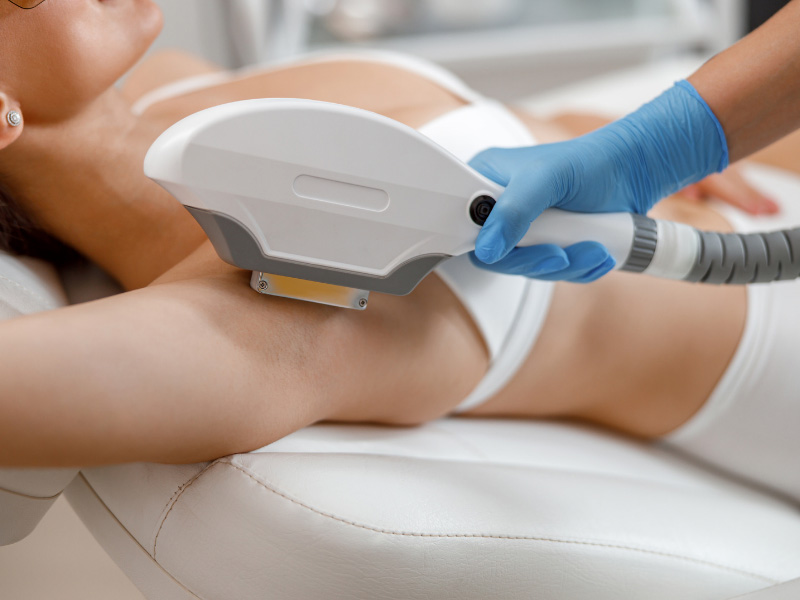

Diode ice laser devices are a type of laser hair removal device developed with modern technology. These devices are known as an effective method for reducing unwanted hair. Diode lasers differ from other laser types because they can penetrate deeper into the skin. This allows effective results to be achieved for individuals with both light and dark skin tones.
Diode ice lasers take their name from their cooling technology. This technology keeps the skin cool during the procedure, minimizing discomfort and improving user comfort. Cooling tips help reduce the heat felt on the skin surface, making the procedure easier to tolerate. For this reason, diode ice laser devices can also be a suitable option for individuals with sensitive skin types.
Another advantage of these devices is their ability to scan large surface areas in a short time. This allows faster and more effective results on wider treatment areas. With programmable settings, personalized treatment plans can be created according to each individual’s skin and hair structure.
Advantages of Using a Laser Hair Removal Device
Using a laser hair removal device provides several advantages. First, these devices may help reduce hair growth in the long term, which can result in smoother skin. Laser hair removal works by targeting hair follicles and may slow down the hair regrowth process.
Another advantage of laser hair removal is that it may cause less skin irritation compared to shaving, waxing, or using an epilator. This method helps keep the skin smooth and can significantly reduce the risk of ingrown hairs. For individuals with sensitive skin types, laser hair removal may be a gentler option.
Finally, laser hair removal devices can significantly reduce treatment time. Because large areas can be treated quickly, more time can be allocated to daily routines. This fast and effective method offers a time saving solution for many individuals.
Types of Laser Hair Removal Applications
Laser hair removal applications provide different methods suitable for various skin and hair types. This variety makes it possible for individuals to find a solution that suits their needs. The most common laser hair removal types include diode, Alexandrite, and Nd:YAG lasers.
Diode laser generally provides effective results for individuals with both light and dark skin tones. Because it can penetrate deeper into the skin, it may help target stubborn hair. This method is particularly effective in reducing thick and dark hair.
Alexandrite laser is more popular among individuals with lighter skin tones. Because it has a shorter wavelength, it can be effective in treating lighter colored hair. The fast working capacity of Alexandrite lasers allows larger surface areas to be treated quickly.
Nd:YAG laser may be more suitable for individuals with darker skin tones. This laser type can reach deeper layers of the skin and may be used safely on darker skin tones. Nd:YAG laser may also provide effective results in areas with visible veins.
Laser Types and Their Differences
There are different laser types used in laser hair removal, and each offers unique advantages. These types help determine the most suitable treatment option based on skin type and hair characteristics.
Diode Laser: As mentioned above, this laser type may be effective across a wide range of skin and hair types. With its deeper penetration capacity and cooling technology, diode laser can provide a comfortable treatment experience.
Alexandrite Laser: Suitable for individuals with lighter skin tones, this laser has a shorter wavelength. It is known for its fast treatment capability and may be effective on lighter hair.
Nd:YAG Laser: Developed for individuals with darker skin tones, this laser can reach deeper skin layers and may be used safely on darker skin types.
The different wavelengths and penetration capacities of these laser types allow specialists to determine the most suitable treatment option based on the individual’s skin and hair structure. This variety also supports the creation of personalized treatment plans.
How Long Should a Session Last?
Session duration is an important factor for performing laser hair removal effectively and safely. The length of a session may vary depending on the individual’s skin and hair structure. However, sessions generally last between 15 minutes and 1 hour.
The frequency and duration of sessions are determined according to the size of the treatment area and the density of the hair. For example, smaller areas such as the face may be completed in a shorter time, while larger areas such as the legs may take longer. Adjusting the treatment duration individually can help achieve better results.
A certain interval between sessions is usually necessary. This interval generally ranges from 4 to 6 weeks and is scheduled according to the hair growth cycle. Sessions performed at regular intervals can increase the effectiveness of reducing unwanted hair.
 Call
Call
 Whatsapp