


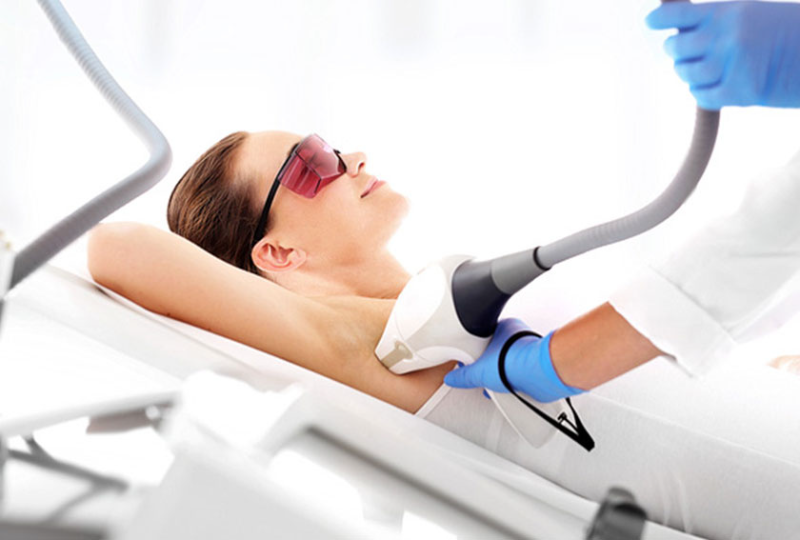

The diode in-motion system has attracted attention as one of the popular laser hair removal methods of recent years. So, what exactly is this system? The diode in-motion system is a procedure that emerged with the development of laser hair removal technology and aims to provide effective results especially for fine hair. Diode laser devices emit light energy at a specific wavelength, targeting hair follicles and thereby reducing hair regrowth.
One of the main advantages of this system is that it can be safely applied to different skin types and hair colors. The diode in-motion system saves time for users thanks to its ability to be applied quickly over large areas. Especially in large cities like Ankara, it has become a very attractive option for individuals with a busy lifestyle.
Another important feature of the diode in-motion system is that it offers a comfortable experience with minimal pain. Since this system has a skin-cooling feature during laser hair removal, it minimizes possible discomfort that may occur during and after the procedure. Thus, users can achieve their desired results more comfortably.
Advantages of the Diode In-Motion System
The diode in-motion system has many advantages, which make it stand out among other laser hair removal methods. First of all, this method offers a modern and effective hair reduction option. Diode lasers target hair follicles, extend the regrowth time, and reduce hair density over time.
Another advantage is that the diode in-motion system has a wide application area. It can be safely used on many parts of the body such as the face, legs, arms, back, and bikini area. In addition, its suitability for different skin types and hair colors is one of the reasons why users prefer this system.
Finally, the diode in-motion system draws attention due to causing minimal irritation on the skin after application. Especially for individuals with sensitive skin, having a lower risk of side effects is one of the reasons this method is preferred. With this system, users can achieve effective results while protecting their skin health.
Which Laser Should Be Preferred for Fine Hair?
The question of which laser should be preferred for fine hair is widely asked. In general, diode laser systems can provide effective results even on fine and light-colored hair. The specific wavelength of diode lasers allows them to target such hair, weaken it, and extend the regrowth period.
In addition to diode lasers, Alexandrite and Nd:YAG lasers are among other options that can be preferred for fine hair. Each laser type has different wavelengths and characteristics. Therefore, the choice of laser depends on the individual’s skin type, hair structure, and personal expectations.
To make the most accurate decision, it is important to consult a specialist at a professional clinic or beauty center. In reliable centers such as Ankara Life Polyclinic, experts evaluate each individual and determine the most suitable laser hair removal method. In this way, users can experience both effective and safe hair reduction.
Working Principle of Laser Hair Removal
The working principle of laser hair removal is based on targeting hair follicles with laser light, weakening them, and slowing down their growth processes. Laser devices emit light energy at specific wavelengths, which is absorbed by the melanin pigment in the hair. This pigment converts the laser light into heat energy and transfers it to the hair follicles.
This heat energy causes the hair follicles to weaken and slows down their growth process. However, it is important to remember that laser hair removal does not guarantee complete removal of hair. This is because the hair growth cycle varies from person to person, and some hairs may be more resistant.
Laser hair removal can provide more effective results when applied in regular sessions. Session intervals are determined according to the hair growth cycle and generally range between 4–6 weeks. These intervals are planned individually by specialists to match different hair growth phases.
Laser Hair Removal Applications and Methods
There are various options among laser hair removal applications and methods. Each method may produce different results for different skin types and hair structures. Therefore, the choice of method should be determined based on the individual’s characteristics and expectations.
The most common laser hair removal methods include diode, Alexandrite, and Nd:YAG lasers. Diode lasers can be effective on many skin types thanks to their wide wavelength and deep penetration ability. Alexandrite lasers are generally preferred for individuals with fair skin and are known for their fast application times. Nd:YAG lasers offer a safer option for individuals with darker skin tones.
Each of these methods has different advantages and disadvantages. Therefore, a professional evaluation is important to achieve the best results. In reliable centers such as Ankara Life Polyclinic, experts perform personalized evaluations and recommend the most suitable method. In this way, users can effectively reduce unwanted hair.
Frequently Asked Questions About the Diode In-Motion System
Is the diode in-motion system safe?
Yes, it is generally considered a safe method. However, as with any medical procedure, it should be performed by specialists. Skin type and hair structure are evaluated before the procedure, and appropriate parameters are determined.
What should be considered after the procedure?
Mild redness or sensitivity may occur after the diode in-motion system. This is usually temporary. Protecting the skin from the sun and using moisturizers are important for maintaining skin health. It is also necessary to follow the care instructions recommended by specialists.
How many sessions are recommended?
The diode in-motion system usually requires multiple sessions. The number of sessions varies depending on the individual’s skin type, hair structure, and the size of the treatment area. On average, 6–8 sessions are recommended, but this number may vary from person to person. Specialists will determine the number and intervals of sessions individually.
 Call
Call
 Whatsapp