



The most important advantages of diode lasers include low cost, small size, high efficiency and long lifetime. These features make diode lasers widely used in many industrial, medical and scientific applications.
Advantages of Diode Laser
Low Cost: The production costs of diode lasers are much lower than other types of lasers. This enables the widespread use of diode lasers.
Compact Size: Diode lasers are quite small in size. This feature makes diode lasers portable and integrable.
High Efficiency: The electrical-optical conversion efficiency of diode lasers is quite high. In this way, energy savings are achieved.
Long Lifespan: Diode lasers have a longer lifespan than other types of lasers. This reduces maintenance and repair costs.
High Reliability: The structure of diode lasers is simple and durable. In this way, reliable and long-lasting operation is ensured.
Usage Areas of Diode Laser
Diode lasers have a wide range of uses. The main application areas are:
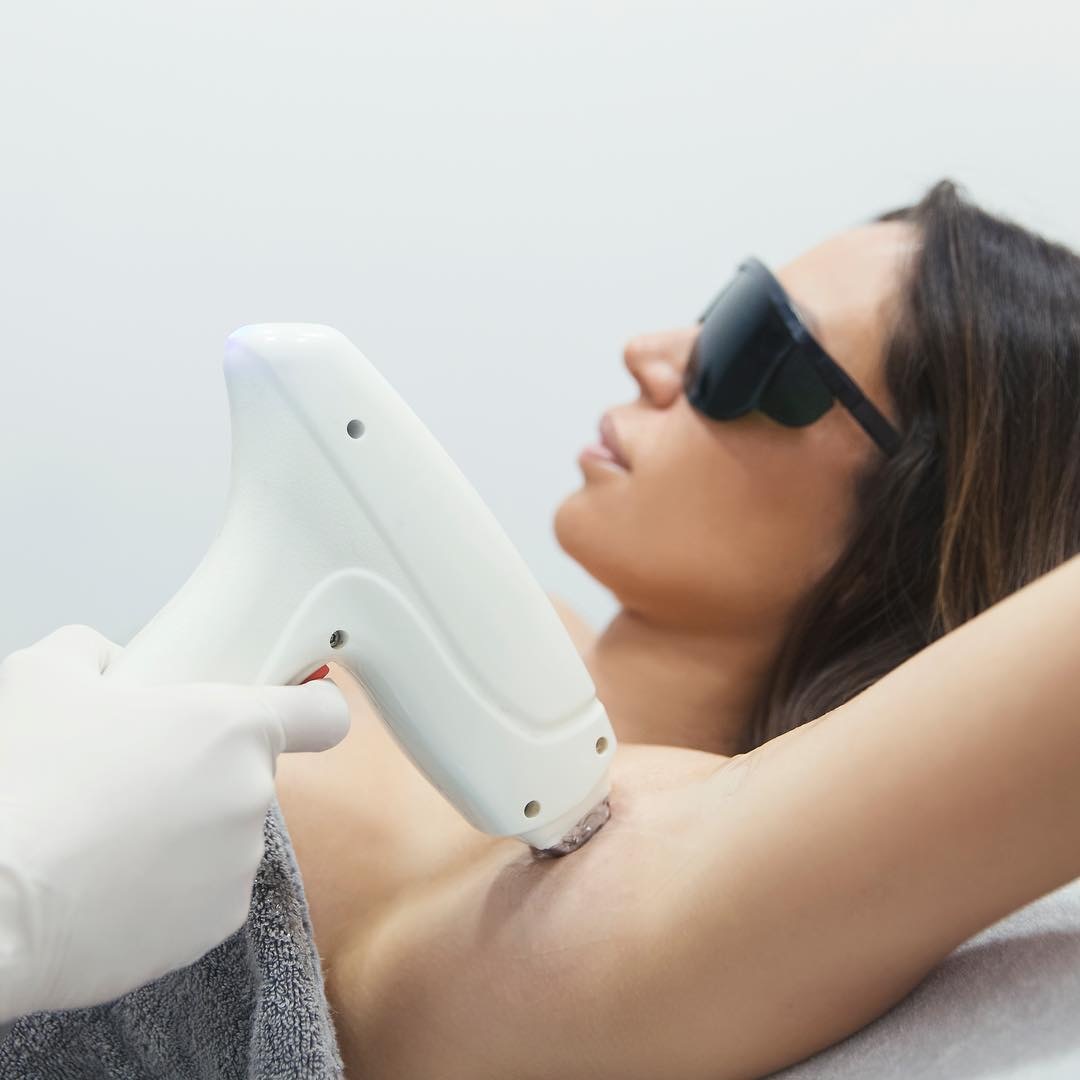
Medicine and Aesthetics: Low-power models of diode lasers are used in skin treatments, surgical procedures and cosmetic applications.
Communication and Data Transmission: Diode lasers are used in high-speed fiber optic communication systems.
Measurement and Detection: The compact size and high sensitivity of diode lasers enable their use in measurement and detection devices.
Laser Printers and Scanners: Low-power models of diode lasers are used to create images in laser printers and scanners.
Industrial Applications: High power diode lasers are used in industrial applications such as material processing, welding, cutting and soldering.
Diode Laser Technology
The working principle of diode lasers is based on the conversion of electrical energy into light energy. In diode lasers produced using semiconductor materials, light is produced when electric current is applied. This light becomes a laser beam thanks to the optical cavity in resonance.
The basic components in diode laser technology are:
Semiconductor Diode: It is the basic component where light production occurs.
Optical Cavity: It is the component that allows the light to be kept in resonance.
Cooling System: It allows the heat generated during the operation of the diode laser to be dissipated.
Driver Circuit: Provides electrical power and control of the diode laser.
These components enable compact and efficient operation of the diode laser.
Side Effects of Diode Laser
Some side effects may occur during the use of diode lasers. These:
Eye Health Risks: Direct eye contact with high-power diode lasers can cause eye damage. Therefore, safety precautions must be taken.
Heat Generation: The heat generated during the operation of diode lasers can negatively affect laser performance and lifespan. Effective cooling systems are required.
Electromagnetic Interferences: Electromagnetic interferences that occur during the operation of diode lasers may affect other electronic devices. Appropriate shielding is required.
Environmental Effects: Heat and electromagnetic emissions generated during the use of diode lasers may cause environmental effects. Necessary precautions should be taken.
Being aware of these side effects and taking appropriate precautions ensures that diode laser use is safe and efficient.
Diode Laser Application
Diode lasers have wide application areas. The main areas of use are:
Medical Applications: Low-power diode lasers are used in skin treatments, surgical procedures and cosmetic applications.
Communication Systems: In high-speed fiber optic communication systems, diode lasers are used for data transmission.
Measurement and Detection Devices: The compact size and high sensitivity of diode lasers enable their use in measurement and detection devices.
Laser Printers and Scanners: Low-power diode lasers are used to create images in laser printers and scanners.
Industrial Applications: High-power diode lasers are used in industrial applications such as material processing, welding, cutting and soldering.
Developments in diode laser technology contribute to the diversification and more efficiency of these applications.
Frequently Asked Questions About Diode Laser
Frequently asked questions and answers about diode laser technology are as follows:
Question 1: What is the working principle of diode lasers? Answer: The working principle of diode lasers is based on the conversion of electrical energy into light energy. In diode lasers produced using semiconductor materials, light is produced when electric current is applied and this light turns into a laser beam thanks to the optical cavity in resonance.
Question 2: What are the advantages of diode lasers? Answer: The most important advantages of diode lasers include low cost, compact size, high efficiency and long lifetime. These properties enable diode lasers to be used in many industrial, medical and scientific applications.
 Call
Call
 Whatsapp