


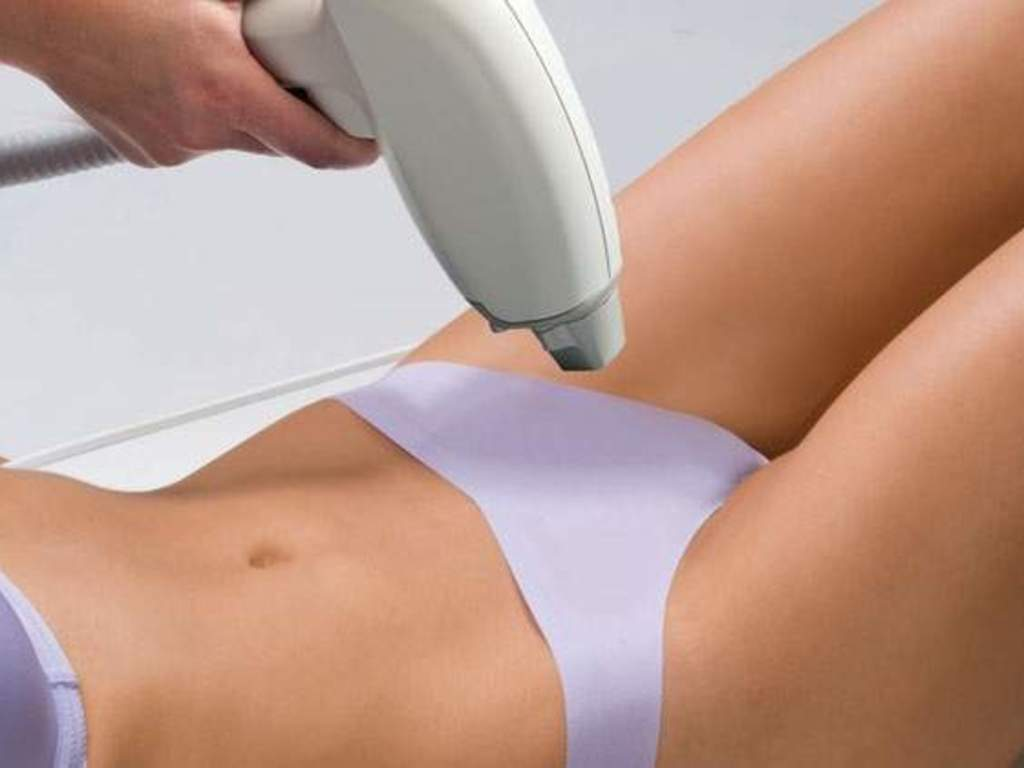

Diode lasers are a method frequently preferred in laser hair removal. Diode laser types operate at different wavelengths and can effectively address various skin and hair types. These lasers generally target the hair follicles and aim to disrupt the hair growth cycle. Diode laser technology is preferred because it can penetrate down to the hair follicle without damaging the upper layers of the skin.
One of the most important advantages of diode lasers is their suitability for a wide range of skin types. They are particularly effective for light skin tones with dark hair. However, with developing technology, they can now also be used safely on darker skin tones. This variety provides a major advantage for both practitioners and users.
Each diode laser type works at a specific wavelength, and these wavelengths are customized for different skin and hair types. For example, lasers with a wavelength of 810 nm are generally preferred for thicker and darker hair, while those with a wavelength of 940 nm may be more suitable for finer and lighter hair. This variety allows for the creation of personalized treatment plans.
Advantages of Laser Hair Removal Methods
Laser hair removal offers many advantages for long-term hair reduction and achieving smoother skin. First of all, although it is not a completely permanent solution, this method can significantly reduce hair growth. Compared to continuous shaving or waxing, laser hair removal takes less time and provides longer-lasting results.
Another advantage of laser hair removal is that it reduces skin irritation and ingrown hairs. Traditional shaving and waxing methods can cause irritation and ingrown hairs, whereas laser hair removal helps minimize these issues. In addition, laser hair removal applications can be safely performed even on sensitive areas, providing a wide range of treatment areas.
The technology used during laser hair removal ensures minimal discomfort during the procedure. Modern devices are equipped with advanced cooling systems to reduce pain and burning sensations on the skin. This allows users to have a more comfortable experience. It should be noted that each individual’s pain threshold is different, and such procedures may vary based on personal experience.
Laser Types: What Types Are Available?
In the world of laser hair removal, different laser types are available, and each is suitable for specific skin and hair types. Diode laser, Alexandrite laser, and Nd:YAG laser are among the most commonly used types, and each operates at different wavelengths, offering customized solutions for various skin tones and hair structures.
Diode Laser: Usually operates at a wavelength of 810 nm and is effective for darker hair types. Diode lasers are known for being usable on a wide range of skin types.
Alexandrite Laser: Has a wavelength of 755 nm and is suitable for individuals with lighter skin tones. This type of laser generally provides faster results and can be used on larger areas.
Nd:YAG Laser: Operates at a wavelength of 1064 nm and is safe for darker skin tones. Nd:YAG lasers are known for their ability to penetrate deeper, making them suitable for thicker hair structures.
When choosing among these laser types, it is important to select the one that is suitable for the individual's skin and hair type. Each laser type has its own advantages and limitations; therefore, obtaining professional advice from a specialist may be beneficial.
Things to Consider After Laser Hair Removal
After a laser hair removal procedure, there are several important points to consider in order to support the skin’s healing process and achieve the best results. During the first 24–48 hours after the procedure, redness and sensitivity may occur on the skin. This is a natural reaction and usually subsides within a short time. During this period, it is important to keep the skin moisturized and protect it from direct sunlight.
Using sunscreen is one of the most important steps after laser hair removal. The skin may become more sensitive after the procedure, and exposure to sunlight may cause pigmentation or spots. Therefore, especially during summer or sunny days, it is recommended to use sunscreen with SPF 30 or higher.
After laser hair removal, activities that may expose the skin to excessive heat, such as hot baths, saunas, or intense exercise, should be avoided. Such activities can make the skin more sensitive and cause irritation. If peeling or dryness occurs on the skin, using moisturizing products can help maintain the skin’s moisture balance.
 Call
Call
 Whatsapp