



General Effects of Antibiotics
Antibiotics are drugs used to treat bacterial infections. They target bacterial infections in the body, preventing the spread of these infections and accelerating the healing process. However, it is important to remember that antibiotics can affect not only harmful bacteria but also beneficial bacteria found in the body's natural flora. This can lead to various side effects.
Effects of Antibiotics on the Skin
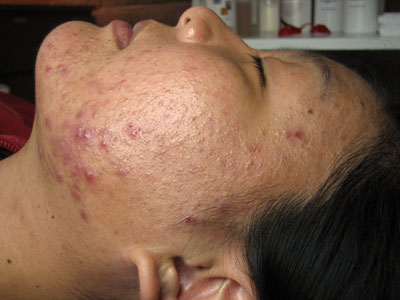
Antibiotics are often used to treat bacterial infections on the skin. However, in some cases, side effects of antibiotics can include acne on the skin. This can happen as a result of the antibiotic disrupting the bacterial balance in the body. The decrease in the healthy bacterial flora on the skin can lead to the proliferation of harmful bacteria, paving the way for acne.
Effects of Antibiotics on the Skin Microbiome
There are millions of bacteria in our bodies, and most of them naturally exist in various areas of our body, including the skin. These bacteria keep the skin healthy and prevent the proliferation of harmful microbes. When taken into the body, antibiotics can disrupt this natural bacterial balance. The decrease in beneficial bacteria on the skin can lead to pore blockage and inflammation. This can cause acne.
Which Antibiotics Can Cause Acne?
Not all antibiotics cause acne, but some antibiotics are more likely to cause such side effects. Systemic antibiotics, that is, antibiotics that are taken orally and enter the bloodstream, are effective all over the body. These types of antibiotics carry a higher risk of side effects. Some antibiotics, especially tetracycline and sulfonamide group antibiotics, can have side effects that can cause skin rashes or acne. However, since each individual's body reacts differently, these effects may not be seen in every patient.
Antibiotics and Hormonal Balance
Some antibiotics are thought to affect hormonal balance. Hormonal changes can increase oil production in the skin, which can lead to pore blockage and trigger acne. This is especially true for oral antibiotics. If changes in hormone levels increase sebum production in the skin, this can also cause acne.
Side Effects of Antibiotics and Skin Problems
Using antibiotics can sometimes cause severe skin reactions. Such reactions caused by antibiotics on the skin can sometimes manifest themselves as acne-like rashes or more complex skin problems. For example, some antibiotics can cause some bacteria in the body to overgrow, which can increase the risk of infection. Skin infections and acne can be a symptom of such an infection.
Skin Care While Using Antibiotics
If you are receiving antibiotic treatment and experience acne, it is important to take proper care of your skin. You can use gentle cleansers and keep your skin clean frequently to prevent pores from clogging. In addition, using a moisturizer during antibiotic treatment prevents the skin from drying out and can help balance the effects of the medication. You can use alcohol-free toners to make your skin less sensitive.
Acne After Antibiotic Treatment
Acne usually goes away when antibiotic treatment ends. However, in some cases, acne can persist even after treatment ends. In this case, it may be necessary to consult a dermatologist and receive topical treatment (laser, cream, etc.). In addition, taking probiotic supplements to rebalance the skin flora after antibiotic treatment may be beneficial.
When to See a Doctor?
If acne increases on the skin or severe rashes occur during antibiotic treatment, you should immediately see a dermatologist. The dermatologist will evaluate whether antibiotic treatment should be continued and change the treatment plan if necessary. In addition, more appropriate alternatives may be recommended to treat acne.
In Conclusion
Antibiotics are an indispensable tool for treating bacterial infections, but in some cases these drugs can cause skin problems, especially acne. The effects of antibiotics on the skin can be due to various reasons, such as changing the body's bacterial flora, affecting hormonal balance, and clogging of pores. If acne occurs on the skin during antibiotic treatment, this may be temporary, but it is useful to consult a dermatologist to decide whether or not to continue treatment.
 Call
Call
 Whatsapp